Carrier Power Hits Iran’s Strait of Hormuz Tactics
The U.S. Navy's USS Abraham Lincoln is launching relentless fighter jet waves against Iran's Strait of Hormuz tactics. Aircraft are targeting drone sites and coastal facilities to counter Iran's disruption of global shipping lanes. This operation aims to secure vital maritime trade routes.

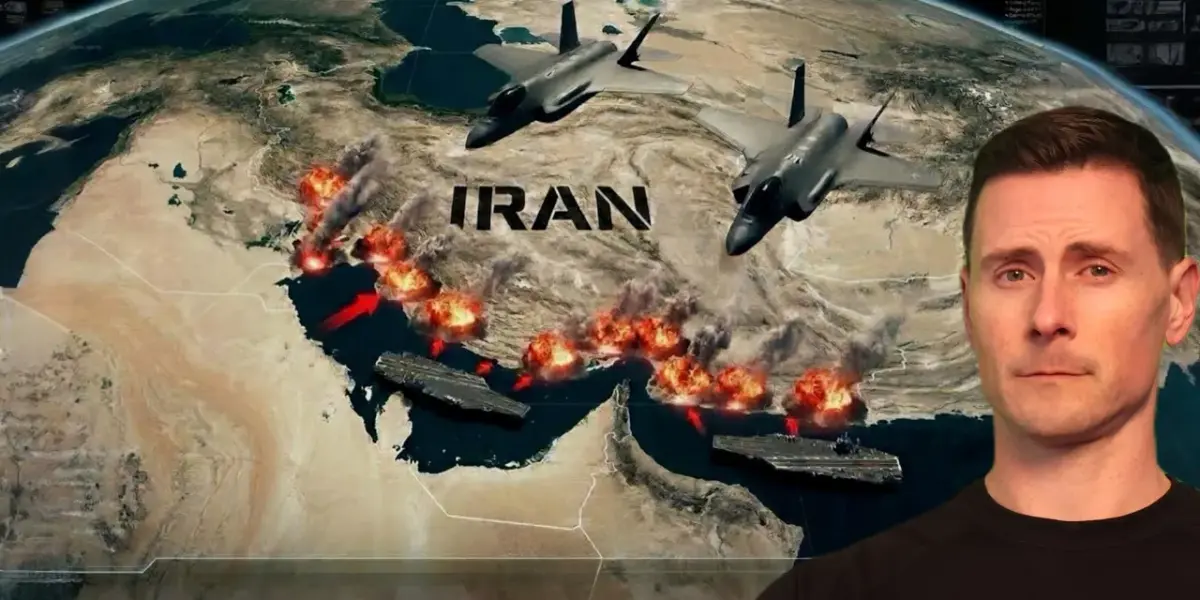
Carrier Power Hits Iran’s Strait of Hormuz Tactics
On March 16th, 2026, the U.S. Navy aircraft carrier USS Abraham Lincoln began launching waves of fighter jets as part of Operation Epic Fury. This action marks a significant escalation in efforts to counter Iran’s strategy of disrupting shipping in the vital Strait of Hormuz. U.S. Central Command (CENTCOM) released footage showing F/A-18 Super Hornets and F-35C Lightning IIs launching from the carrier deck. These aircraft are targeting coastal sites and drone facilities believed to be supporting Iran’s proxy warfare tactics. The operation aims to ensure the free flow of international shipping through the strait.
Naval Power Projection
The USS Abraham Lincoln’s operations are directly confronting Iran’s efforts to control the Strait of Hormuz. Recent strikes have targeted military facilities on Car Island and numerous Iranian naval vessels. This includes both larger fleet ships and smaller, fast-attack craft. The focus is on neutralizing Iran’s ability to use its navy and asymmetric tactics to blockade the waterway. Iran has been accused of restricting passage for Western-aligned nations, impacting global trade and energy supplies. Their strategy relies heavily on unmanned vehicles, including underwater unmanned vehicles (UUVs) and drone swarms. These assets can be deployed from coastal areas or inland locations, posing a threat to vessels within and near the strait.
Strategic Context: The Strait of Hormuz
The Strait of Hormuz is a critical chokepoint for global oil shipments. Approximately 20% of the world’s total oil consumption passes through this narrow waterway between Iran and Oman. Iran’s ability to disrupt shipping here gives it significant leverage. By threatening or blocking passage, Iran can exert pressure on the international community, particularly the United States and its allies. The current U.S. military response, centered around the carrier strike group, aims to remove this leverage by degrading Iran’s offensive capabilities. The objective is to keep the strait open and secure international maritime trade routes.
Iranian Response and Deception Claims
Despite the U.S. military actions, Iran has maintained defiant rhetoric. An IRGC spokesperson vowed continued resistance. Iran has also claimed to have hit the USS Abraham Lincoln multiple times and sunk it, a claim directly contradicted by the ongoing flight operations. The Iranian regime is demanding a U.S. withdrawal and compensation for damaged military assets, reportedly seeking $15 billion. They insist on keeping the Strait of Hormuz open to all except the U.S. and its allies. Analysts view this as a sign of desperation, indicating that Iran’s conventional military power has been significantly weakened.
Shifting Alliances and Diplomatic Pressure
The situation has prompted international diplomatic activity. British Prime Minister Starmer announced that the UK is working with allies on a plan to secure the Strait of Hormuz. This follows a call with President Trump, who emphasized the importance of allied support for ensuring freedom of navigation. President Trump also indicated a potential delay in his trip to China, seeking Beijing’s cooperation in pressuring Iran. China’s role is complex, given its economic ties to Iran and its significant reliance on oil transiting the Strait of Hormuz. The transcript notes that China had previously flown cargo flights to Iran, raising questions about the nature of their support to the IRGC.
U.S. Military Strategy: Precision and Air Power
CENTCOM has been actively debunking Iranian claims. They stated that Iran has indiscriminately targeted Gulf countries over 300 times in the past two weeks, contradicting Iranian statements about civilian safety. The U.S. military strategy appears focused on surgical strikes rather than a ground occupation. Secretary of War Pete Hegsth has affirmed a policy of no occupation. The F/A-18 Super Hornets and F-35C Lightning IIs are described as precision instruments. The F/A-18F variant, a two-seat strike fighter, and the single-seat F/A-18E, primarily an air superiority fighter, are both deployed. The F-35C offers stealth capabilities and advanced sensor fusion, enhancing the effectiveness of strike packages. These aircraft are equipped to engage both drones and other airborne threats, providing offensive counter-air capabilities.
Tactical Operations and Equipment
The operation involves relentless sorties from the USS Abraham Lincoln. Reports indicate over 5,000 targets have been struck, with significant casualties inflicted on IRGC forces, though specific numbers are not officially confirmed beyond rumored figures. U.S. casualties are reported as approximately 13. Advanced technology, particularly for missile and drone interception, is credited with keeping U.S. losses low. The USS Abraham Lincoln, a Nimitz-class nuclear-powered supercarrier, is a key asset. It is supported by the USS Gerald R. Ford and the upcoming USS George Bush carrier strike groups in the region, creating a formidable naval presence. These carrier strike groups project significant air power, enabling sustained operations close to Iran’s coastline.
Intelligence, Surveillance, and Reconnaissance (ISR)
The strategy also relies heavily on ISR assets. Drones like the RQ-4 Global Hawk are likely being used for persistent surveillance, monitoring Iranian activities and identifying launch sites for drones and UUVs. This intelligence is crucial for directing precision strikes. The approach is likened to using artillery fire on known enemy positions in Afghanistan, but enhanced by space-based assets and advanced drone technology. The goal is to locate and neutralize drone launch points, thereby preventing disruptions to shipping in the Strait of Hormuz. This integrated approach aims to degrade Iran’s proxy warfare capabilities and secure global trade routes.
Conclusion: A Measured Approach
The ongoing operations demonstrate a U.S. strategy focused on overwhelming air power and precision strikes. The presence of multiple carrier strike groups in the region signifies a significant commitment to maintaining freedom of navigation. While Iran continues to employ defiant rhetoric and asymmetric tactics, the U.S. response aims to systematically dismantle these capabilities. The conflict is expected to be resolved within weeks, according to U.S. Energy Secretary Chris Wright, given the current pace of strikes and the degradation of Iranian assets. The ultimate goal is to neutralize Iran’s leverage and ensure the unimpeded flow of global commerce through the Strait of Hormuz.
Source: U.S Navy Just Did Something HUGE To Iran (YouTube)

Related Articles


China Backs US Blockade, Squeezing Iran’s Oil Lifeline
China's backing of a U.S. naval blockade is effectively cutting off Iran's oil exports. This move aims to pressure Iran into negotiations but carries significant political risks for the U.S. president, especially with high gas prices impacting voters.


Soldiers Speak Out, Exposing War’s Brutal Reality
US soldiers are breaking ranks, challenging official narratives after a deadly drone attack in Kuwait. Survivors describe being left exposed and unprepared, contradicting Pentagon claims. This dissent is mirrored by a surge in troops seeking conscientious objector status and a shake-up of military leadership.


Trump Sees Iran War Ending Soon Amidst Escalating Threats
U.S. President Donald Trump expressed optimism that the conflict with Iran could end soon, despite ongoing threats between the two nations. A senior Iranian official warned of regional trade blockades if U.S. naval blockades are not lifted. Experts caution that any deal must address core issues, not just short-term military gains, to achieve lasting strategic success.