Greenland’s Leader: Trump’s Threats Make Citizens Unsafe
Greenland's Prime Minister revealed that citizens felt unsafe and angry after then-President Trump's 'threats' to buy the island. The comments highlight the human impact of geopolitical discussions on national sovereignty.


Greenland’s Prime Minister Speaks Out on Trump’s ‘Threats’
Greenland’s Prime Minister, Kim Kielsen, has stated that citizens no longer feel safe following what he described as “threats” from then-U.S. President Donald Trump. Trump had publicly expressed interest in purchasing Greenland, a large island territory of Denmark, and Kielsen’s government rejected the idea. This rejection, according to Kielsen, led to a situation where Greenlanders felt pressured and unsafe, with some experiencing fear that later turned into anger.
Citizens’ Fear and Anger
In a candid interview, Kielsen described the impact of Trump’s statements on the Greenlandic people. He explained that the pressure from a global superpower and its leader was unacceptable. “A lot of people don’t feel safe,” Kielsen said, noting that some initially felt scared. This fear, he added, has now transformed into anger for many.
The prime minister detailed specific examples of this fear. He shared that during the height of the situation, parents were afraid to leave their children in kindergarten. People who had planned social events like parties and gatherings canceled them out of concern. This disruption to daily life highlights the significant unease caused by the political maneuvering surrounding Greenland’s sovereignty.
Denmark’s Reaction and Greenland’s Autonomy
The U.S. interest in Greenland, particularly Trump’s vocal desire to buy the territory, was met with strong opposition from both Greenland and Denmark. Greenland is an autonomous territory within the Kingdom of Denmark. While Denmark handles foreign affairs and defense, Greenland has significant self-governance.
Denmark’s government swiftly dismissed Trump’s idea as absurd. Prime Minister Mette Frederiksen stated clearly that Greenland is not for sale and that the proposal was not serious. This firm stance from Denmark underscored the importance of Greenland’s autonomy and its right to self-determination.
Geopolitical Significance of Greenland
Greenland holds significant strategic importance due to its location and resources. It sits at a crucial point between the Atlantic and Arctic Oceans. Its vast, untapped mineral and energy resources also make it an attractive prospect for global powers.
In recent years, as Arctic ice melts due to climate change, shipping routes through the region are becoming more accessible. This increased accessibility further enhances Greenland’s geopolitical value. The U.S. has long had strategic interests in the Arctic, including a military base at Thule Air Base in Greenland, which is vital for missile defense and space surveillance.
The ‘Purchase’ Idea and Historical Context
The notion of the U.S. purchasing Greenland is not entirely new. President Harry S. Truman also attempted to buy the island from Denmark after World War II. However, these historical attempts, like the recent one, were unsuccessful.
Trump’s public pursuit of the purchase, however, was particularly unusual. It was initially reported as a suggestion by his advisors, but Trump himself later confirmed his interest, calling it a “large real estate deal.” The way the idea was presented and pursued caused considerable friction and concern among Greenlandic citizens and officials.
Broader Implications and Future Relations
The incident raised questions about respect for national sovereignty and the conduct of international relations. Prime Minister Kielsen’s remarks emphasize the human impact of such political discussions, showing that they can create real anxiety and insecurity among ordinary people.
While the U.S. has sought to maintain good relations with Greenland and Denmark, this episode created a temporary strain. The focus now is on moving forward and ensuring that Greenland’s interests and the well-being of its citizens are respected in all future interactions. The desire for Greenland to be treated as an equal partner, rather than a commodity, is paramount.
Looking Ahead
The political climate surrounding Greenland remains a point of interest. As climate change continues to open up the Arctic, the strategic importance of Greenland will likely grow. It will be important to watch how international powers approach the region and how Greenland asserts its autonomy and protects its citizens’ interests. The relationship between Greenland, Denmark, and the United States will continue to be shaped by these evolving dynamics.
Source: Greenland's prime minister says citizens 'don't feel safe' after Trump's threats (YouTube)

Related Articles

Iran Shuns Trump’s Deal Demands, Escalating Global Tensions
Iran has rejected President Trump's demands in ongoing negotiations, leading to heightened global tensions. Pakistan has stepped in as a mediator amid fears of escalating conflict. Meanwhile, the White House press briefings presented mixed messages on the economy and policy, facing scrutiny over strategy and communication.


GOP Senators Show Weariness With Trump’s Iran Stance
Republican lawmakers are showing signs of frustration with President Trump's prolonged engagement in Iran. Diplomatic talks continue, with a potential ceasefire extension being considered, while the U.S. bolsters its military presence. Meanwhile, domestic economic pressures and battles with the Federal Reserve chair add to the political complexities.

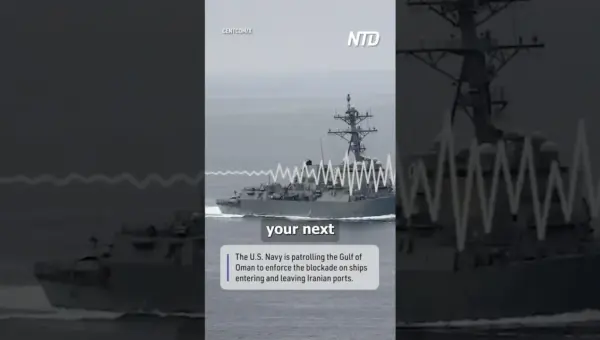
Navy Tightens Grip: US Enforces Strict Blockade on Iran
The US Navy has formally declared a blockade on Iranian ports, warning all vessels to turn back or face boarding and seizure. This significant move aims to exert economic and political pressure on Iran, with explicit threats of force for non-compliance.