Trump’s Iran Deal Talk: A Mirror of His Own Desires?
Donald Trump's repeated claims that Iran "wants a deal very badly" might be more about his own desire for an agreement than Iran's. This analysis explores his rhetoric and its potential implications for foreign policy.

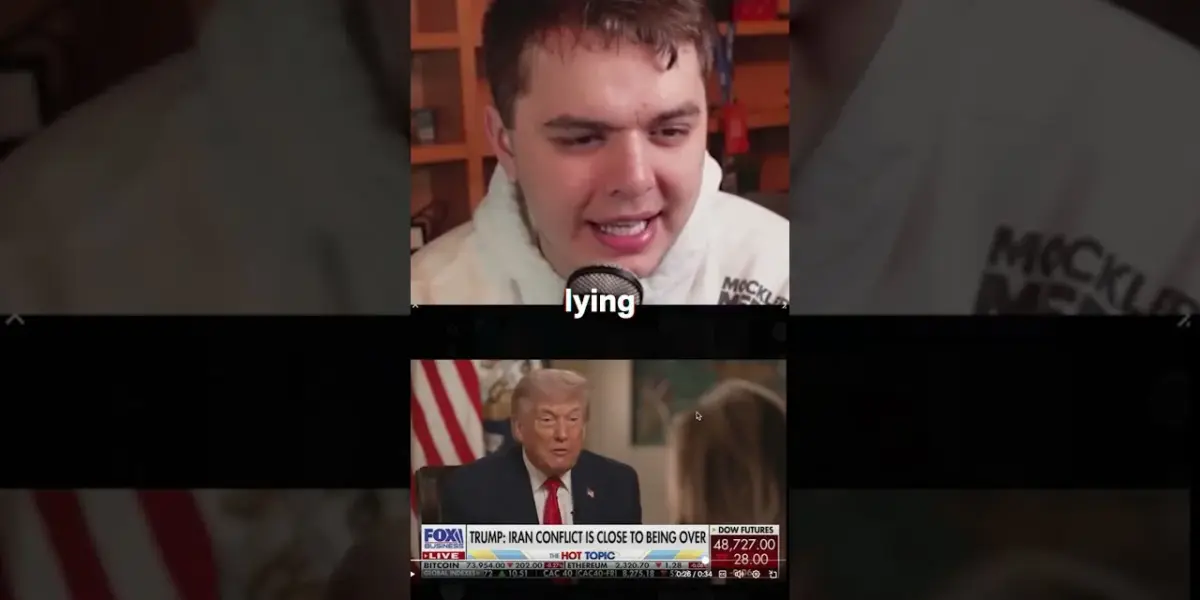
Trump’s Iran Deal Talk: A Mirror of His Own Desires?
Former President Donald Trump has repeatedly stated that Iran “wants a deal.” This assertion has become a common theme in his public remarks, especially when discussing foreign policy and international relations. However, a closer look at his statements suggests a pattern that might reveal more about his own motivations than Iran’s.
Shifting Names, Shifting Focus
Trump’s rhetoric often involves renaming geographical locations to assert American influence. He humorously suggested calling the Strait of Hormuz the “Trump Strait,” a proposal met with skepticism. He also mentioned renaming the Gulf of Mexico to the “Gulf of America,” a move that reportedly did not sit well with Mexico. These naming suggestions, while perhaps intended to project strength, can also be seen as a way to control the narrative and draw attention to his personal brand.
The Iran Situation: A Deal in the Making?
Regarding the Iran situation, Trump has expressed a strong belief that a deal is imminent. He stated in the video clip, “I think they want to make a deal very badly.” He further elaborated that if the U.S. were to withdraw its involvement, it would take Iran 20 years to rebuild, implying leverage in negotiations. He views the situation as “very close to over,” suggesting a potential breakthrough.
A Pattern of Repetition
The video highlights that Trump has been saying Iran “wants a deal badly” for at least two months. Screenshots from February and March show consistent messaging. This repeated assertion raises questions about its factual basis. Is Iran truly eager for a deal, or is this a narrative Trump is pushing?
Projection: Trump’s Own Desire for a Deal?
The core argument presented is that Trump’s insistence on Iran wanting a deal might be a form of projection. This means he is unconsciously attributing his own desires and feelings to Iran. The repeated statement, “They want to make a deal badly,” could be a reflection of how badly Trump himself wants to finalize an agreement. It’s a tactic where someone’s own unmet desires are expressed by claiming others share them.
Historical Context: Deals and Diplomacy
Negotiating with Iran has a complex history. The Obama administration reached the Joint Comprehensive Plan of Action (JCPOA) in 2015, an agreement aimed at limiting Iran’s nuclear program in exchange for sanctions relief. Trump withdrew the U.S. from this deal in 2018, reimposing sanctions. Since then, efforts to revive or renegotiate a deal have been ongoing, marked by periods of tension and diplomatic overtures. Trump’s current stance suggests a desire to return to some form of agreement, possibly on his own terms.
Why This Matters
Understanding the dynamics of international negotiations, especially concerning sensitive issues like Iran’s nuclear program, is crucial for global stability. If a leader’s public statements are driven by personal ambition or a need to project success, it can cloud judgment and lead to flawed decision-making. The potential for projection means that what appears to be a confident assessment of another party’s intentions could actually be a reflection of the speaker’s own internal state. This is important for citizens to consider when evaluating political rhetoric, as it affects foreign policy and national security.
Implications and Future Outlook
If Trump’s statements are indeed a projection of his own desire for a deal, it suggests he may be more willing to make concessions to achieve an agreement. This could lead to a deal that might not fully align with previous U.S. policy objectives or international consensus. Conversely, if Iran genuinely seeks a deal, Trump’s approach could expedite the process. The future outlook depends heavily on the actual intentions of both parties and the effectiveness of the diplomatic channels, whether formal or informal. The constant repetition of the phrase “they want a deal” could be a rhetorical strategy to pressure Iran, or it could be a sign that Trump is preparing his base for an agreement he believes is within reach.
Source: Trump Keeps Saying Iran “Wants a Deal" #politics #fyp #new (YouTube)

Related Articles
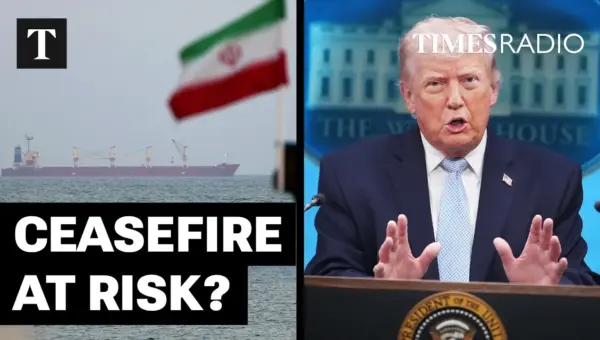
Iran Ceasefire Risks Spiraling Out of Control Amid Talks
A fragile ceasefire between Iran and the US, expiring in two weeks, faces major risks of collapse. Ongoing back-channel talks are attempting to bridge gaps, but experts warn that even minor incidents could easily escalate. The US naval blockade adds another layer of tension, with China watching closely but appearing hesitant to intervene.

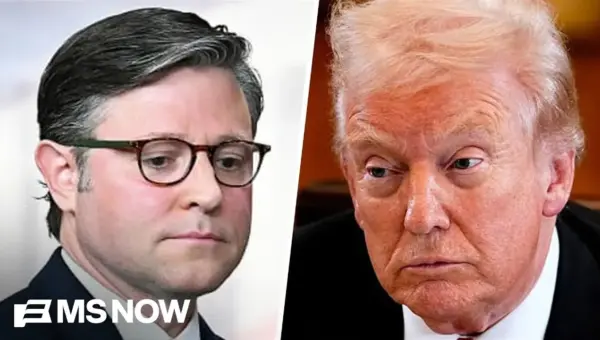
GOP Faces Voter Discontent Over War, Diminished Support
Republican lawmakers are noticing growing voter discontent, particularly among younger demographics, regarding the ongoing war. This sentiment, coupled with economic pressures, could lead to diminished support and turnout in the upcoming midterm elections. The party faces significant challenges in messaging and addressing voter concerns.

China’s Iran Gambit: Deception or a New World Order?
President Trump claims China will stop sending weapons to Iran, but deep skepticism remains due to China's past support and use of spy satellites to aid Iran. This move could be a strategic ploy to weaken the US military.