AA Fined £4M for Hidden Driving Lesson Fees, Test Waits Loom
The AA has been fined over £4 million for "drip pricing" after a £3 booking fee was placed late in the checkout process for driving lessons. While the AA admits to a mistake, they argue the fee wasn't hidden and the penalty is excessive compared to the severe issue of long driving test waiting times, which now average over 21 weeks.

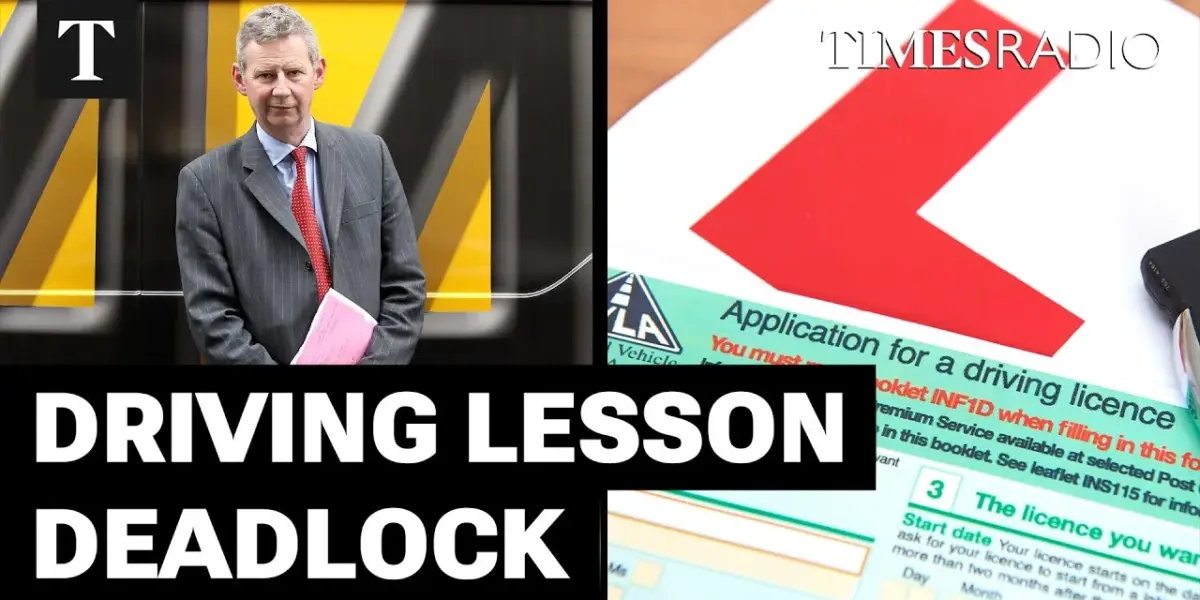
AA Fined Millions for Hidden Fees, But Test Delays Cause More Anger
The AA, a prominent motoring organization, has been hit with a substantial £4.2 million fine by the Competition and Markets Authority (CMA) for charging customers hidden fees during the driving lesson booking process. The CMA also ordered over 80,000 customers to be refunded. The penalty stems from a mandatory £3 booking fee that was placed late in the checkout journey, a practice known as “drip pricing.” While the AA admits to a mistake in the fee’s placement, they argue it was not intentionally hidden and that the fine is disproportionate to the offense, especially when compared to the ongoing crisis of long driving test waiting times.
What is Drip Pricing?
Drip pricing occurs when companies add extra charges to the initial advertised price as a customer moves through the booking or purchasing process. In this case, the AA and its BSM driving school brand included a £3 booking fee that appeared later in the booking journey, not at the very beginning. According to Carly Brookfield, CEO of the Driving Instructors Association, this practice misled customers who expected the initial quoted price to be the final cost.
“Customers have been misled about pricing,” Brookfield stated, emphasizing that for an industry focused on promoting the value of professional instruction, such practices are “very, very disappointing.” She explained that typically, administration fees are already built into the hourly lesson price by independent driving instructors, a long-standing practice in the industry.
AA’s Defense: A Genuine Mistake, Not Deception
Edmund King, President of the AA, acknowledged the organization’s error but stressed it was not a deliberate attempt to deceive customers. “We inadvertently infringed consumer competition law because our booking fee of £3 wasn’t hidden,” King explained. “It was actually in the journey, but it was further down the journey before you check out. We weren’t aware of that. We didn’t do it on purpose.”
King elaborated that the £3 fee was for the AA’s role as an agent, covering the costs of the booking system, marketing, and managing refunds for self-employed, franchised driving instructors. “The fee is actually for the system that books them in, gets the time, does the marketing, deals with refunds and all of those things that the AA does on their behalf,” he said.
The AA maintains that the fee was clear to customers who proceeded with bookings. “Out of 250,000 transactions with pupils over that period, we had five emails, two of which mentioned a booking fee,” King noted, suggesting the issue was not a major concern for most customers at the time. He added that as soon as the CMA informed them of the issue, they corrected the fee’s placement.
Disproportionate Fine and Misplaced Priorities
The AA believes the £4.2 million fine is excessive, particularly as it is based on the global revenue of the AA, not just its smaller driving school subsidiary. “For the driving school, a fine of £4.2 million is way over the top,” King argued. He expressed a desire for the fine money to be channeled into addressing more pressing issues for drivers, such as road repairs or supporting young drivers, rather than going into government coffers.
King suggested that customers would likely be more concerned about the lengthy waiting times for driving tests, which can now average 21.2 weeks nationally as of January 2026, a significant increase from 14 weeks immediately post-COVID. This contrasts sharply with the £3 booking fee issue.
The Driving Test Waiting Time Crisis
Carly Brookfield highlighted the severe ongoing problem of driving test waiting times. “We’re now more than 5 years on post-COVID where the problems actually started with test supply, and we’re now at 21.2 weeks as of January 2026 in terms of a national waiting time average for driving tests,” she stated.
Brookfield identified the core issue as a shortage of driving examiners, not just a problematic booking system or “bots” reselling test slots. “The reality is it’s driving examiner supply. Getting enough people to be able to conduct tests to the front line has always been the problem,” she explained.
The Driving Instructors Association has been advocating for more recruitment and better retention of examiners. “If they can recruit more examiners, they’ve had 19 successive recruitment campaigns to try and bring on new examiners,” Brookfield noted. However, many existing examiners are leaving due to dissatisfaction with the testing scenario and workload. The association has previously suggested increasing examiners’ salaries to attract and retain staff, a proposal that has yet to be implemented.
Industry Perspective and Future Outlook
Brookfield emphasized that the average hourly rate for driving lessons in the UK is around £35 to 40, a price justified by the life-saving skill instructors impart. She also pointed out that while the CMA found some instances of driving instructors being involved in reselling test slots, it was a “tiny, tiny amount” and that the DVSA has not provided firm numbers to confirm the extent of this problem among instructors versus other third parties.
The AA, despite the fine, remains committed to its consumer advocacy role. King mentioned upcoming discussions with ministers about potholes, following previous campaigns on fuel prices and smart motorways. The organization accepts the CMA’s ruling and will pay the fine, but it hopes the focus will shift to the more critical issues impacting learner drivers and road users across the UK.
Source: ‘Hidden’ Driving Lesson Fees Less Concerning Than Test Waiting Times | President Of The AA (YouTube)

Related Articles

FIFA Accused of Profiting from Disabled Fans at World Cup
FIFA's ticketing policy for the 2026 World Cup is facing backlash for making it significantly more expensive and difficult for fans with disabilities to attend. Accessible tickets have seen a massive price increase, and companions must now pay full price, doubling costs for many.


DOJ Seeks to Overturn Jan. 6 Convictions, Sparking Controversy
The Department of Justice is seeking to overturn seditious conspiracy convictions related to the January 6th Capitol attack, a move legal experts find extraordinary. Concerns are also rising over comments suggesting a president has the right to direct DOJ investigations into individuals, challenging post-Watergate norms.


Iran Ceasefire Risks Spiraling Out of Control Amid Talks
A fragile ceasefire between Iran and the US, expiring in two weeks, faces major risks of collapse. Ongoing back-channel talks are attempting to bridge gaps, but experts warn that even minor incidents could easily escalate. The US naval blockade adds another layer of tension, with China watching closely but appearing hesitant to intervene.