YouTube Creators Film Antisemitic Harassment for Profit
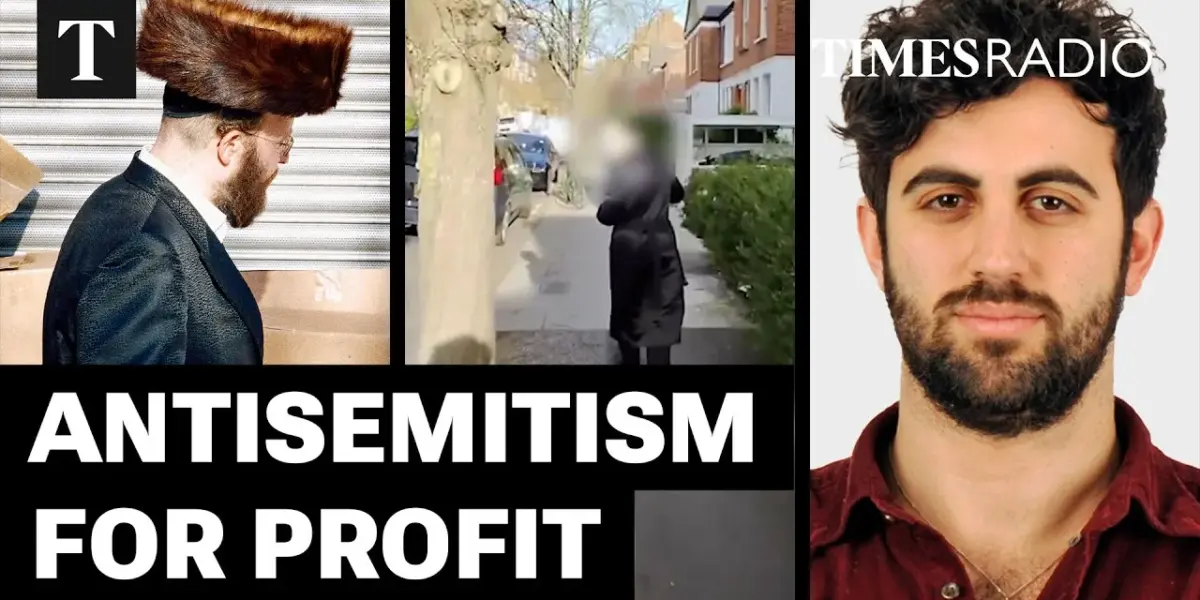
YouTube creators are reportedly filming antisemitic harassment in Jewish neighborhoods for profit, sparking debate on platform responsibility. Associate Editor Josh Glancy argues this is 'hate action' and calls for clearer boundaries between free speech and monetized bigotry. The trend highlights concerns about content moderation and the potential for online hate to target vulnerable communities.

YouTube Creators Film Antisemitic Harassment for Profit
A disturbing trend has emerged on YouTube where creators travel to Jewish neighborhoods in London, such as Golders Green and Stamford Hill, to film antisemitic harassment for views and profit. These videos, which have generated ad revenue, raise serious questions about the line between protecting free speech and enabling hate-filled actions. Recent incidents include YouTubers throwing money on the ground and shouting slurs, echoing stunts by creators like Mizzy who gained popularity through similar public harassment.
Defining the Line Between Free Speech and Harm
Josh Glancy, associate editor of The Sunday Times, discussed the issue, distinguishing between banning individuals from performing and banning actions intended to spread hate. “I do think there is a role for banning some of the stuff that you’re discussing here where you know someone is deliberately monetizing…
It’s not even hate speech, it’s hate action,” Glancy stated. He emphasized that the intention behind such content is clear and harmful, especially when targeting visibly Jewish people.
Targeting Visible Jewish Communities
The harassment often targets individuals who are visibly Jewish, sometimes wearing traditional clothing, making it clear the individuals are being targeted specifically for their identity. Glancy noted that while antisemitism can sometimes be disguised, this type of action is “fairly unequivocal.” He also highlighted that the most vulnerable members of the Jewish community, often those in more insular areas who do not speak out publicly, suffer the most from these incidents.
“This is not ambiguous, this is as and as basic as it gets.”
Monetizing Hate in the Attention Economy
The rise of these videos is linked to the creation of a content machine and an attention economy that lacks sufficient safeguards. Glancy suggested that this trend can lead down a path of conspiracy theories, likening it to the “manosphere” where blame is often directed at external groups, sometimes culminating in antisemitic tropes.
“At the end of the dark tunnel of the manosphere… There’s a little sign saying the Jews did this to you,” he explained.
Disparities in Content Moderation
A comparison was drawn between the response to antisemitic content and other forms of racism. The discussion raised the point that if creators targeted Black or Indian communities with racist stereotypes, such content might be removed more quickly. Glancy attributed this potential disparity to the historical ambiguity surrounding Jewish identity, where they have been seen as “of us, among us but not of us.” This ambiguity can make it harder for some to recognize prejudice clearly.
Platform Responsibility and Potential State Influence
The fact that such videos remain on platforms like YouTube, even after being flagged, is a significant concern. Glancy mentioned reports suggesting that platforms like TikTok, and potentially even state actors, may not actively dislike the spread of antisemitism, viewing it as a tool to create division.
“It’s seen as a bit of a wedge issue. It’s a way to pit people against each other,” he commented, likening it to tactics used to divide societies.
The Blurring Lines of Criticism and Bigotry
The conversation also touched upon the politicization of issues surrounding Israel and how it can become entangled with accusations of antisemitism. Glancy acknowledged the difficulty in untangling legitimate criticism of actions from genuine bigotry. He noted that while some may be unfairly accused of antisemitism when criticizing the Middle East conflict, others may use language that is crude or angry enough to espouse bigotry without realizing it.
The hard left, Glancy argued, has historically struggled with antisemitism, often linking Jewish identity to criticisms of capitalism and power structures. This historical connection makes it difficult for some within these groups to acknowledge and address their own internal issues with prejudice.
“It has historically bound up Jewishness with its criticism of capitalism, of America. And therefore, it does have an antisemitism problem,” he stated.
Moving Forward: A Call for Clearer Guardrails
The discussion concluded with a call for clearer action from platforms like YouTube. Glancy stressed that the current situation, where overt antisemitic acts are monetized, is unjustifiable.
He suggested that drawing attention to these specific instances of hate action, rather than abstract hate speech, might prompt platforms to take more decisive action. The debate also highlighted the ongoing challenge of balancing free expression with the need to protect vulnerable groups from targeted harassment and hate.
Source: YouTubers Filming Antisemitic Harassment For Views Should Be Banned | Josh Glancy (YouTube)

Related Articles

Jury Holds Meta, YouTube Negligent in Landmark Social Media Case
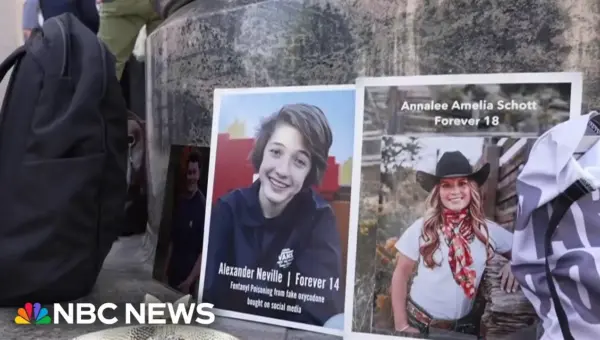
A Los Angeles jury has found Meta and YouTube negligent for intentionally designing addictive platforms for minors. In a landmark ruling, a 20-year-old woman was awarded $6 million, with internal documents cited as evidence of design choices prioritizing engagement. Both tech giants plan to appeal the verdict.
Holocaust Survivors Share Stories in NYC Cafes
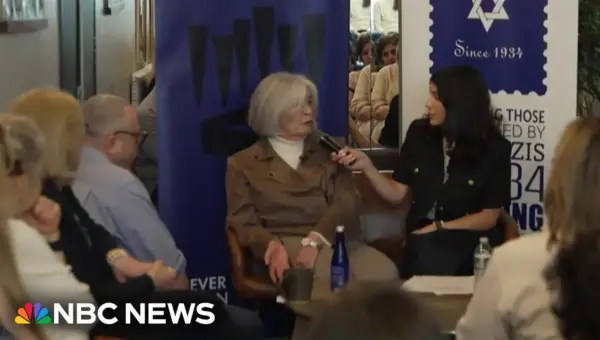
New York City cafes are hosting 'Sip and Listen' events, bringing Holocaust survivors together with younger generations. These gatherings aim to share crucial firsthand accounts and combat rising antisemitism. Organizers emphasize the urgency of hearing these stories while survivors are still able to share them.

Beyoncé’s VMA Kiss Broke the Internet, Not Just the Stage
Before social media dominated, certain music moments shook the internet. From SNL skits to VMA performances and iconic dresses, these events captured global attention and even shaped online platforms. Relive the top 10 viral music moments that broke the internet before algorithms.