America’s Global Role: A Path Forward?
As global challenges mount, this analysis probes America's role and potential future paths. It examines the perception of U.S. influence on world events and calls for a more truthful, fact-based dialogue to shape responsible global engagement.

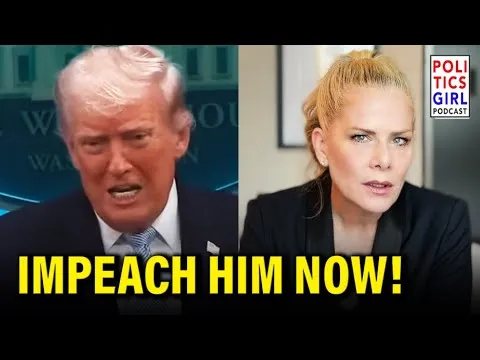
America’s Role in Global Turmoil: Where Do We Go?
As the world faces significant challenges, a critical question emerges: What is America’s part in these global events, and how should the nation move forward? This analysis explores the current state of affairs and considers potential future directions, drawing from observations about America’s impact on the world stage.
A World on Fire, America’s Match?
The statement that “America lit the match” suggests a perception of American actions having a significant, perhaps even initiating, role in global conflicts or instability. This viewpoint often stems from foreign policy decisions, economic actions, or cultural influence that can have far-reaching consequences.
Understanding this perception is key to discussing America’s future role. It implies a need for introspection regarding the impact of U.S. Policies on international relations and global stability.
Historical Context: The Shifting Sands of Power
Throughout history, the United States has occupied various positions in global affairs. Following World War II, America emerged as a superpower, playing a central role in establishing international institutions and promoting a specific world order.
This era saw the U.S. Involved in global peacekeeping efforts, economic aid, and diplomatic initiatives aimed at preventing large-scale conflicts. However, the effectiveness and morality of these interventions have often been debated.
Later periods saw different approaches, with shifts in foreign policy reflecting changing domestic priorities and global dynamics. The end of the Cold War, for instance, presented new challenges and opportunities, leading to further debates about America’s responsibilities and actions on the world stage. Each era has its own narrative about America’s global impact, highlighting the complex and evolving nature of international relations.
Current Challenges and Perceived Responsibility
In the present day, the world grapples with numerous complex issues, including geopolitical tensions, economic instability, and climate change. The idea that America “lit the match” implies that U.S. Involvement, or lack thereof, has exacerbated these problems.
This could refer to historical grievances, current policy choices, or even the unintended consequences of American actions. For example, foreign policy decisions in the Middle East or trade policies can have ripple effects across continents.
Conversely, others argue that America’s role is often one of stabilizing influence or providing essential resources and leadership. They might point to humanitarian aid, technological innovation, or diplomatic efforts as examples of positive contributions.
The debate often centers on whether American actions are primarily self-serving or genuinely aimed at global betterment. This duality is crucial to understanding the varied perspectives on America’s global footprint.
Where Do We Go From Here?
Navigating the path forward requires a careful consideration of America’s strengths, weaknesses, and its place in the international community. One approach could involve a renewed focus on diplomacy and international cooperation.
This means actively engaging with other nations to find common solutions to shared problems, rather than acting unilaterally. It emphasizes building alliances and strengthening international institutions.
Another perspective might call for a more inward-looking approach, focusing on domestic issues and reducing foreign entanglements. This strategy would prioritize strengthening the U.S. Economy and addressing internal challenges before taking on extensive global responsibilities. However, critics of this approach worry it could lead to a power vacuum, allowing other nations to exert greater influence with potentially less regard for global stability.
A third path could involve a selective engagement strategy. This would mean carefully choosing where and how the U.S. Intervenes, focusing on areas where its involvement can have the most positive impact and align with its core values. This approach seeks a balance between isolationism and excessive interventionism, aiming for strategic and effective global participation.
The Importance of Dialogue and Fact-Based Information
The video’s creator emphasizes the importance of “giving the truth a fighting chance on mainstream media.” This highlights a perceived need for more accurate and nuanced reporting on complex global issues. When discussing America’s role in the world, it is essential to rely on factual information and diverse perspectives. Misinformation or biased reporting can distort public understanding and hinder constructive dialogue.
Open discussion and the pursuit of truth are vital for shaping effective policy and fostering a more informed citizenry. Encouraging critical thinking and seeking out reliable sources of information are crucial steps in this process. This allows for a more productive conversation about the challenges we face and the best ways to address them, both at home and abroad.
Why This Matters
America’s role in the world has profound implications for global peace, economic stability, and human well-being. Whether its actions are perceived as constructive or destructive, the United States remains a significant player on the international stage. Understanding the complexities of its involvement, acknowledging different viewpoints, and engaging in thoughtful dialogue are essential for charting a responsible and effective course for the future.
The decisions made today will shape the world for generations to come. Therefore, a clear-eyed assessment of past actions, a realistic appraisal of current challenges, and a forward-looking vision for America’s global engagement are more important than ever. The goal should be to contribute positively to a more stable, prosperous, and just world for all.
Future Outlook: A Call for Responsible Engagement
The future will likely demand a sophisticated approach to foreign policy. It will require balancing national interests with global responsibilities.
The ability to adapt to changing circumstances and to work collaboratively with other nations will be paramount. The conversation about America’s role is ongoing, and its evolution will depend on the choices made by its leaders and its people.
Ultimately, the path forward is not predetermined. It will be shaped by a willingness to learn from the past, to engage with the present challenges honestly, and to commit to a future where America’s influence is a force for positive change. This requires a continuous effort to understand the global impact of American actions and to strive for policies that benefit not only the United States but also the wider world community.
Source: Impeach this Nut Job | PoliticsGirl (YouTube)

Related Articles

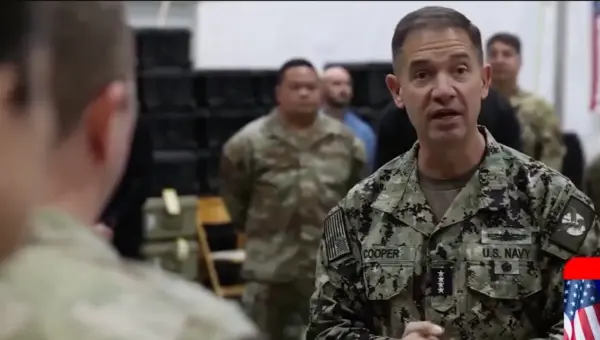
US Military Crushes Iran’s Global Power Projection
The US military has significantly weakened Iran's global power projection capabilities through Operation Epic Fury. Admiral Brad Cooper reported major successes in dismantling Iran's drone, missile, and naval forces, while maintaining vigilance.


Trump’s Iran Gambit: A Risky Bet for Global Oil Prices
Donald Trump's potential withdrawal from the Iran conflict could destabilize global oil prices. Leaving allies to manage the Strait of Hormuz risks empowering Iran to control energy markets. This move could lead to significant economic pain worldwide.


Ukraine War: US Denies Deal Over Donbas Withdrawal
The United States has denied Ukrainian President Zelenskyy's claim that the U.S. demanded Ukraine withdraw forces from Donbas for security guarantees. U.S. officials stated guarantees would only take effect after the war ends. The funding for abducted children's rehabilitation also continues.