Vance’s Campus Clash: A Senator’s Shouting Match Exposed
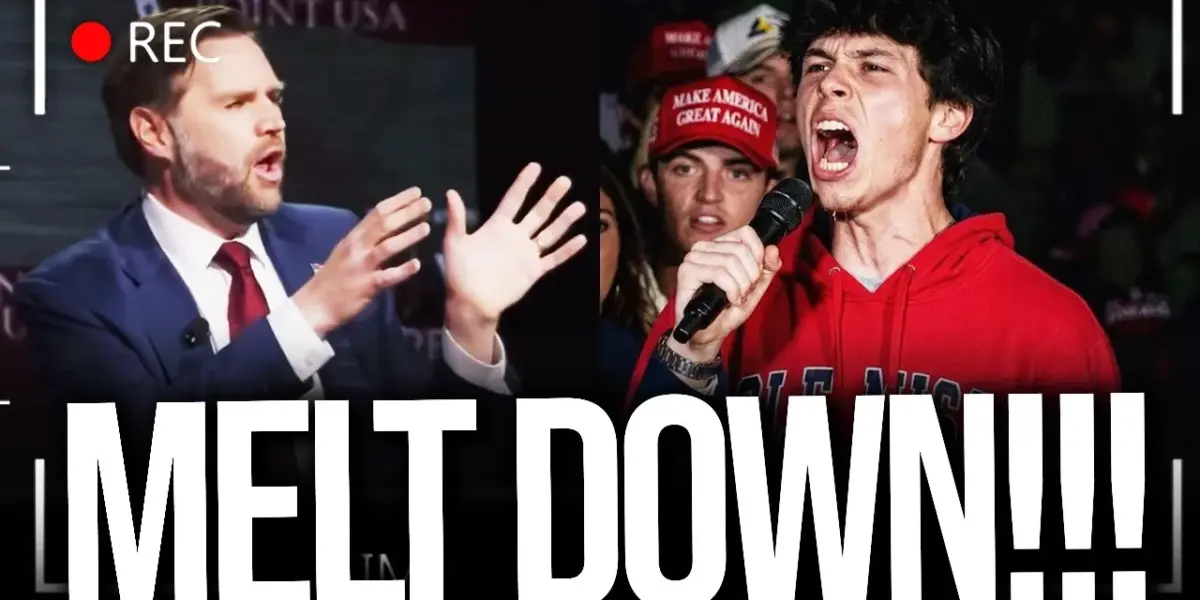
Senator JD Vance engaged in a loud argument with a college student at a Turning Point USA event. The clash began when the student accused the Trump administration of enabling genocide, leading to a heated debate over foreign policy and historical events. Vance's defensive reaction and the student's persistent questioning highlighted deep policy divisions.

Vance’s Campus Clash: A Senator’s Shouting Match Exposed
Senator JD Vance recently found himself in a heated exchange with a college student during a Turning Point USA event. The incident, which quickly escalated into a shouting match, occurred as Vance attempted to discuss foreign policy accomplishments of the Trump administration.
The event itself had a bit of a shake-up. It was originally set to be hosted by Erica Kirk but ended up being led by Andrew Kvette. The transcript notes that Vance turned his attention to the students and began to debate and yell, defending past foreign policy decisions.
This public confrontation is notable because Vance has reportedly been less vocal about certain Trump-era foreign policy decisions, like the war in Iran, in recent months. However, when a student in the crowd shouted “genocide,” the situation changed rapidly.
The Spark: Accusations of Genocide
The shouting match began after a student in the audience accused the administration Vance was defending of enabling genocide. The student specifically referenced Israel’s actions in Gaza and the West Bank settlements. They also brought up a statement attributed to Donald Trump threatening to “wipe out” Iran’s entire civilization.
In response to the “genocide” accusation, Vance reportedly turned to engage with the crowd, leading to the public debate. The video’s narrator described the scene as “absurd.” The transcript also mentioned that the original host, Erica Kirk, had to withdraw from the event due to credible death threats, adding a layer of tension to the gathering.
Debating the Pope and Historical Comparisons
The argument intensified when Vance tried to discuss disagreements between Donald Trump and the Pope. He attempted to frame these as mere differences of opinion. However, the situation devolved when Vance invoked Jesus in his argument.
An audience member then shouted, “Jesus doesn’t support genocide.” Vance agreed with this sentiment but then continued to debate the student. He asked if God was on the side of Americans who liberated France from Nazis or liberated Holocaust camps. Vance stated, “I support genocide,” which was clearly a misstatement or a rhetorical point that was poorly received, as the student and the narrator pointed out that Jesus Christ certainly does not support genocide.
Clash Over Gaza and Aid Claims
Vance then continued to argue with the audience member, shifting the focus to the situation in Gaza. He claimed that the Trump administration had “solved that problem” and that the current situation sees more humanitarian aid entering Gaza than in the previous five years. He suggested that the current administration had taken control of the situation.
The video’s narrator strongly disputes these claims, stating that Vance was “absolutely lying.” The narrator pointed to AI videos purportedly posted by Donald Trump showing him and Netanyahu on the Gaza Strip, calling it the “Trump strip.” The narrator also asserted that Trump’s administration emboldened Netanyahu and blocked aid, directly contradicting Vance’s statements.
Broader Policy Arguments and Disengagement
Vance then launched into a broader defense of Trump’s policies, acknowledging that some young voters might not like the Middle East policy. He pivoted to other claimed accomplishments, such as securing the border, lowering housing prices, achieving energy dominance, and a low murder rate. He urged young voters not to disengage due to disagreement on one issue, but to get more involved.
The narrator, however, countered that the Trump administration’s issues extend beyond a single topic and that their accomplishments are questionable. The narrator listed broken promises, including increased prices (especially gas), rising unemployment, new wars despite promises of none, delayed Epstein files instead of transparency, and increased crime despite promises of safety. The narrator concluded that many people felt betrayed by these unmet promises.
Assessing Vance’s Political Skills
The video’s narrator expressed doubt about JD Vance’s abilities as a politician. The argument with a college student, which led to Vance becoming visibly rattled, raised concerns about his readiness for higher office. The narrator stated, “If he can’t take on a college student, I do not trust him to be our president.”
The narrator also suggested that more people, including some conservative influencers, are becoming aware of these issues. The transcript mentions figures like Theo Von and Joe Rogan as examples of people who are increasingly expressing dissatisfaction with certain policies, although the exact nature of their criticisms isn’t detailed in this segment.
Why This Matters
This incident highlights the growing tension and direct confrontation occurring at political events. It shows how specific policy issues, particularly foreign policy and human rights concerns, can quickly derail planned discussions. The intensity of the exchange also raises questions about how political figures handle dissent and engage with younger generations who are often more vocal and informed on social media.
Implications and Future Outlook
The event suggests a potential disconnect between political messaging and the concerns of some younger voters. Vance’s attempt to pivot to other policy areas indicates a common political strategy to broaden appeal when facing criticism on a difficult topic. However, the directness of the student’s challenge and Vance’s reaction underscore the difficulty of such pivots when core accusations are perceived as significant.
The future may see more such confrontational moments as political discourse becomes increasingly polarized. The ability of politicians to navigate these direct challenges, rather than becoming defensive or dismissive, will likely be a key factor in their public perception and effectiveness. Events like this can also influence media coverage and public opinion, shaping the narrative around candidates and their policies.
Historical Context
Political figures have long engaged with constituents, sometimes in tense situations. However, the rise of social media and easily shareable video clips has amplified these moments. What might have once been a contained interaction at a town hall can now become a viral sensation, scrutinized by millions. The specific accusations of genocide and the reference to historical atrocities connect this event to broader, ongoing debates about international relations, human rights, and the ethical responsibilities of political leaders.
Source: JD Vance Snaps in Screaming Match with Student (YouTube)

Related Articles

GOP Faces Voter Discontent Over War, Diminished Support
Republican lawmakers are noticing growing voter discontent, particularly among younger demographics, regarding the ongoing war. This sentiment, coupled with economic pressures, could lead to diminished support and turnout in the upcoming midterm elections. The party faces significant challenges in messaging and addressing voter concerns.

Fetterman Backs Trump’s Hard Line on Iran, Criticizes Party Drift
Senator John Fetterman expressed strong support for President Trump's assertive stance against Iran, including military actions to dismantle its capabilities. Fetterman also criticized the direction of the Democratic Party, highlighting disagreements on foreign policy and security funding.

Veterans Back Military Action Against Iran, But Urge Caution
American veterans surveyed largely support U.S. military actions against Iran, citing the nation's long history of global disruption and the need to prevent nuclear threats. However, many expressed reservations about aggressive presidential rhetoric and the potential deployment of ground troops, emphasizing a desire to avoid further casualties.