GOP Seeks Exit from Iran Conflict Amid War Powers Act Deadline
Republican leaders are seeking an exit from the Iran conflict as a critical War Powers Act deadline nears. The administration's shifting goals and the economic impact, especially rising gas prices, are fueling political debate and pressure.

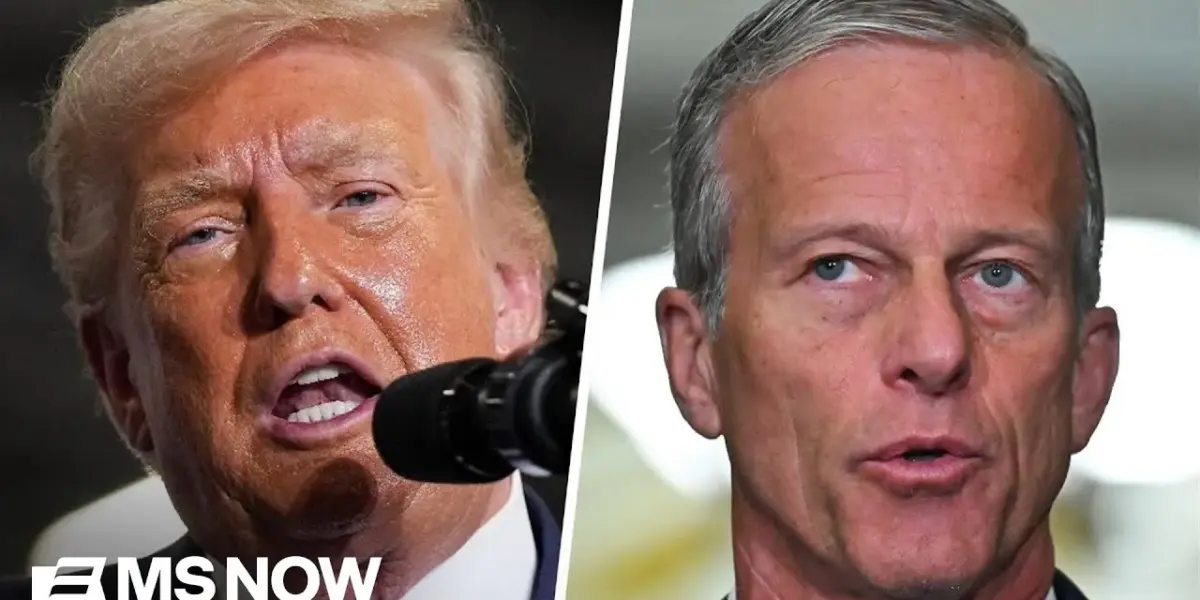
GOP Leaders Push for Iran War De-escalation
Republican leaders in Congress are signaling a desire to find an “off-ramp” from the ongoing conflict with Iran. Senate Majority Leader Thune has publicly stated that the administration needs a clear plan to wind down the current military actions. However, the path to pressuring the president to end the conflict is seen as difficult, with a significant gap between the White House’s stated goals and what many lawmakers understand them to be.
Shifting Goals and Lack of Clarity
The administration’s objectives in the conflict have appeared to shift since its inception. Initial aims reportedly included regime change, followed by degrading Iran’s weapons capabilities. Once the president asserted that these weapons had been degraded, the stated goal moved again. This lack of a firm, consistent objective makes it challenging for members of Congress to grasp the administration’s strategy and exert meaningful pressure for de-escalation.
War Powers Act Looms Large
A critical deadline under the War Powers Act is fast approaching, less than three weeks away. This 60-day mandate requires the president to seek congressional authorization for extended military engagements. Democrats plan to use this period to force votes on War Powers resolutions, aiming to put lawmakers on record regarding their stance on limiting the president’s ability to conduct the war in Iran. While such votes have historically fallen along party lines, the prolonged conflict could expose and widen existing divisions within the Senate and House Republican conferences.
Economic Fallout: Gas Prices and Beyond
The economic consequences of the conflict are a major point of concern, particularly the impact on rising gas prices. The national average for a gallon of gas has reached approximately $4.11, with some areas like California seeing prices as high as $6.00. Experts suggest that even if the conflict were to end immediately, gas prices would not see a swift decline. This is due to factors such as damaged infrastructure in the Gulf and reduced oil production. Places like Iraq are facing storage capacity issues, preventing them from shipping oil, creating an “air gap” in the market.
The Global Oil Market’s Ripple Effect
The disruption in the Strait of Hormuz affects the global oil market significantly. While the U.S. is a net exporter of oil, increased global demand for American oil could drive up domestic prices. This creates a situation where higher prices are felt by consumers across the board, not just in the energy sector. The interconnected nature of the global market means that supply shocks in one region impact prices everywhere.
Beyond Energy: An ‘Everything Crisis’
The impact extends far beyond gasoline prices, affecting a wide range of consumer goods. Rising costs for fertilizer, directly linked to oil and natural gas prices, will likely lead to higher prices for produce. Furthermore, the increased cost of diesel fuel for transportation means that the price of almost everything Americans buy is set to increase. This situation is being described by some as an “everything crisis” rather than solely an energy crisis.
Political Strategy and Election Season
Democrats intend to use the issue of high gas prices as a key argument heading into the election season. They plan to criticize Republicans for the rising costs and argue that the war is making Americans less safe, contrary to stated objectives. The administration’s argument that countries can now rely on U.S. energy exports is also being examined. While this could benefit U.S. oil producers, it is likely to increase global demand for American oil, potentially leading to higher prices for domestic consumers.
Looking Ahead
As the War Powers Act deadline approaches, all eyes will be on Congress to see if any bipartisan consensus emerges to influence the administration’s policy on Iran. The ongoing economic pressures, particularly at the gas pump, will likely remain a central theme in political discourse and campaign strategies leading up to the elections.
Source: Punchbowl: GOP 'eager' for off-ramp on Iran war (YouTube)

Related Articles


Tornadoes Rip Midwest; Millions Face Record Heat
Severe storms and over a dozen tornadoes tore through the Midwest overnight, causing widespread damage. Meanwhile, much of the nation is bracing for a significant heat wave with record-breaking temperatures expected across several regions. The U.S. also faces diplomatic challenges with stalled Iran peace talks and domestic political turmoil.
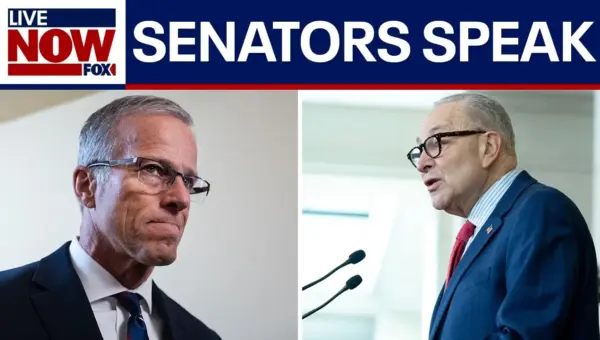
Senate Leaders Clash Over Funding, Iran War Powers
Senate leaders are locked in a dual battle over government funding and the war in Iran. Republicans are pushing for multi-year agency funding via reconciliation, while Democrats demand votes to limit presidential war powers, criticizing the Iran conflict as an 'epic failure' with rising costs and no clear strategy.

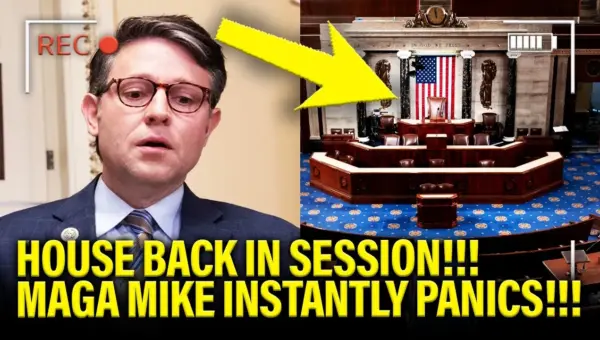
Trump Allies Defend Rising Gas Prices: A Political Tightrope
As Congress returns, allies of Donald Trump are defending rising gas prices and addressing controversial social media posts. This analysis explores their arguments, the economic viewpoints offered, and the broader political implications, particularly in swing states like Georgia.