Hungary Ousts Orban, Unblocks EU Aid to Ukraine
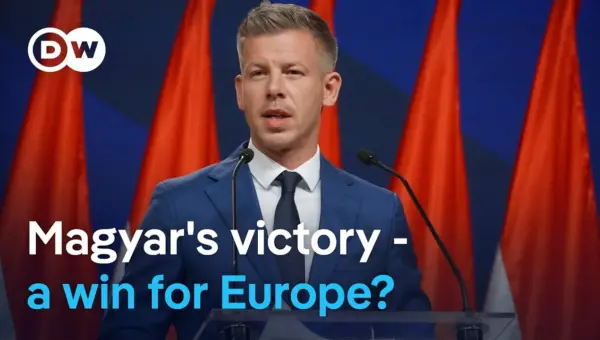
Hungary's election of Peter Magyar marks a significant geopolitical shift, ending Viktor Orban's 16-year rule and immediately unblocking crucial EU aid to Ukraine. Magyar's pragmatic approach blends national identity with European cooperation, offering a potential model to challenge entrenched nationalist leaders.

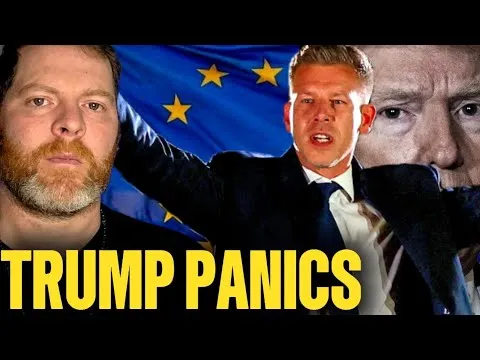
Hungary Ousts Orban, Unblocks EU Aid to Ukraine
A significant shift is happening in Europe as Hungary has elected a new leader, Peter Magyar, ending Viktor Orban’s 16-year rule. This change is being celebrated in the United States and across Europe. It signals a potential thawing of a long-standing blockage within the European Union, especially concerning aid to Ukraine.
New Leadership, New Direction for Hungary
Peter Magyar’s election is seen as a move to unblock crucial financial support for Ukraine. Just one day in office, Magyar’s government announced it would no longer block a 90 billion euro loan for Kyiv. For over a decade, Viktor Orban, often called the “Trump of Europe,” used Hungary’s position to slow down or halt EU decisions, particularly those involving aid to Ukraine. His approach was often seen as prioritizing personal or nationalistic gains over broader European unity, and sometimes as aligning with Russian interests.
Orban’s Era and European Stalemate
Orban’s leadership, which began in 2010, was marked by a strong nationalist stance, strict immigration policies, and a consolidation of media control. He frequently clashed with Brussels, the EU’s administrative center, on issues ranging from rule of law to foreign policy. His obstructionism, especially regarding Ukraine, frustrated many EU members who saw it as undermining collective security and support for a nation under attack. Orban’s tactics were often described as holding the European Union’s progress hostage to score political points.
Magyar’s Approach: Pragmatism Over Ideology
Peter Magyar’s victory is significant because he presented a dual platform that resonated with Hungarian voters. He promised to maintain Hungary’s cultural identity and focus on national interests, including strict immigration policies and a strong Christian culture. However, he also signaled a willingness to re-engage constructively with the EU and to release frozen funds for Ukraine. This approach is being described as “cultural realism” combined with “economic populism.” Magyar appealed to working-class Hungarians by promising to use EU funds for their benefit, not for the enrichment of a select few.
The “Plumber” Analogy
The election of Magyar is being compared to bringing in a plumber to fix a clogged system. Unlike a purely ideological leader, Magyar is seen by supporters as a pragmatic figure who can clear out the obstacles Orban put in place. His focus is on making the European “machine” run again. The immediate unblocking of the 90 billion euro loan for Kyiv is a prime example of this new approach. It suggests that Hungary, under new leadership, is ready to rejoin the EU’s collective efforts.
Global Impact and Shifting Alliances
The ousting of Orban and Hungary’s subsequent policy shift have wider implications. For 16 years, Orban was a significant obstacle to EU unity, particularly on issues concerning Russia and Ukraine. His removal signals a potential strengthening of the European bloc and its ability to act decisively. This development is particularly important as the US prepares for its midterm elections, and as international bodies like the International Criminal Court (ICC) may be issuing warrants related to the conflict in Ukraine. The success of Magyar’s pragmatic approach could serve as a model for challenging established nationalist leaders.
Historical Context and Future Scenarios
Hungary’s position within Europe has always been complex, navigating its national identity with its role in regional alliances. Orban’s era saw Hungary increasingly isolated from its EU partners, often acting as a counterpoint to mainstream European policy. Magyar’s election suggests a return to a more collaborative stance. While there may still be disagreements and debates within the EU, this change represents forward momentum. The fear of returning to a divided Europe, reminiscent of the Iron Curtain era, is being replaced by a cautious optimism for renewed cooperation.
Economic Leverage and Political Fallout
Orban’s government often used Hungary’s veto power to gain concessions or stall EU policies. The unblocking of the 90 billion euro loan demonstrates how economic leverage can be wielded. For years, Orban’s government was accused of using EU funds for personal gain. Magyar’s promise to ensure these funds benefit the Hungarian people, rather than a select group, addresses concerns about corruption and economic fairness. This shift could also impact Hungary’s relationship with Russia, as Orban had maintained closer ties than many other EU leaders.
Conclusion: A Glimmer of Hope
The political changes in Hungary offer a sense of hope that entrenched leadership can be challenged and that political systems can adapt. The success of Magyar’s strategy, which combined respect for national identity with a pragmatic engagement with international partners, could be a blueprint for future political movements. As autocrats often thrive on division and stagnation, their unease following such a change is seen by many as a positive sign. The “madness” of prolonged political deadlock, it seems, can indeed end when people decide they have had enough.
Source: The Global MAGA Collapse: Hungary Just Humiliated Trump (YouTube)

Related Articles

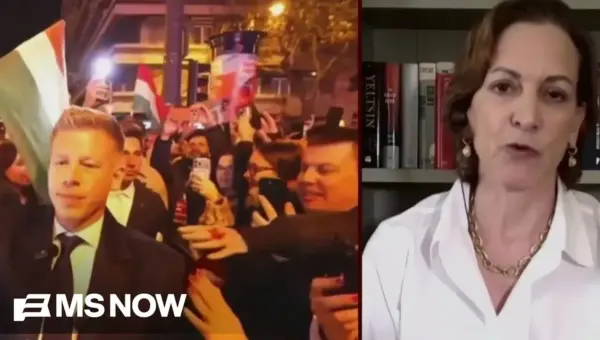
Hungary Ousts Orban: Vote Shows Illiberalism Isn’t Doomed
Hungary has voted out longtime authoritarian leader Victor Orban after 16 years in power, with the opposition securing a significant majority. The election results signal a potential shift for Hungary's role in Europe and demonstrate that illiberalism is not an inevitable outcome for nations. The outcome also highlights concerns about Orban's close ties to Russia and his impact on democratic institutions.
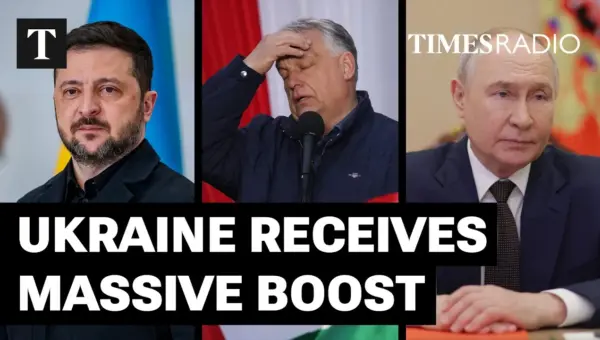
Hungary’s New Leader May Unlock EU Funds for Ukraine
A recent election in Hungary has removed Viktor Orbán, who blocked a crucial 90 billion euro loan for Ukraine. The incoming leadership is expected to release these funds, which are vital for Ukraine's economy and state operations. This shift is seen as a significant positive development for Ukraine amidst its ongoing conflict.
Hungary Rejects Orban, Embraces Pro-EU Path
Hungary has elected Peter Magyar as its new leader, signaling a significant shift away from Viktor Orban's nationalist policies and a renewed commitment to the European Union. Magyar's government prioritizes securing frozen EU funds and improving relations with the bloc, though challenges remain in addressing migration and past ties to Russia.