Hungary Ousts Orban: Vote Shows Illiberalism Isn’t Doomed
Hungary has voted out longtime authoritarian leader Victor Orban after 16 years in power, with the opposition securing a significant majority. The election results signal a potential shift for Hungary's role in Europe and demonstrate that illiberalism is not an inevitable outcome for nations. The outcome also highlights concerns about Orban's close ties to Russia and his impact on democratic institutions.

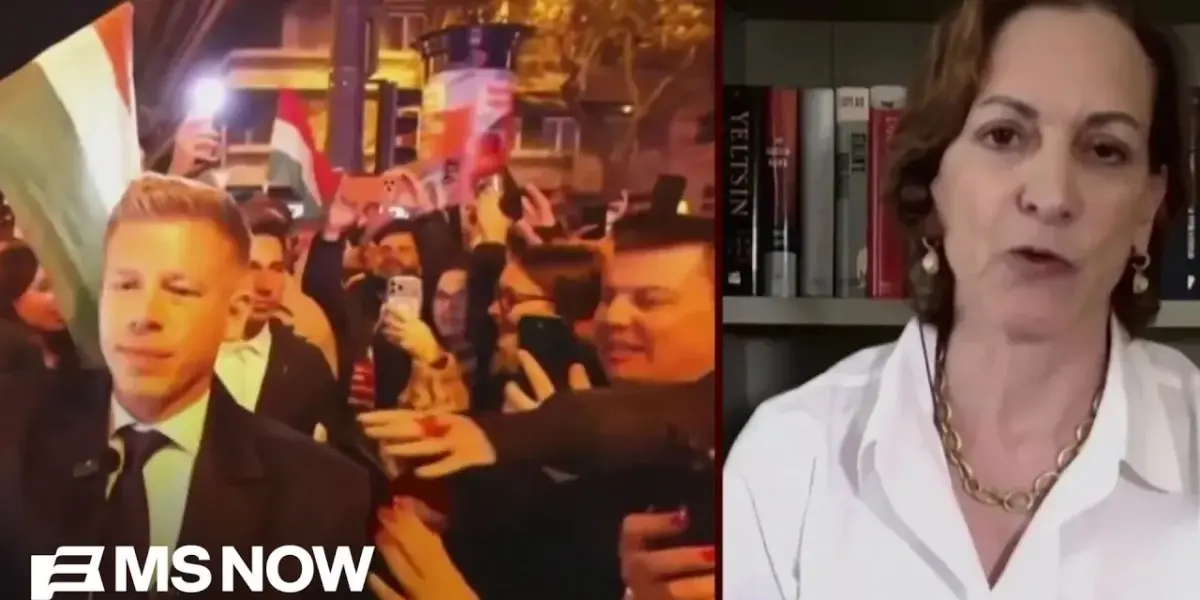
Hungary Votes Out Longtime Leader Victor Orban
In a stunning election upset, Hungarian voters have ousted authoritarian leader Victor Orban after 16 years in power. The results delivered a decisive blow to Orban’s Fidesz party, with the opposition securing a two-thirds majority in parliament. This outcome grants them a constitutional majority and the power to enact significant changes.
Opposition Leader Vows Change, Addresses Russia
Peter Magyar, the likely successor to Orban, addressed the nation after his party’s victory. While he has not yet spoken directly with Russian President Vladimir Putin, Magyar stated that if Putin were to call, he would urge the Russian leader to end the war. Regarding the European Union and NATO, Magyar acknowledged that important debates lie ahead. He emphasized that Hungary would not seek conflict for its own sake, pushing back against what he called a narrative of Brussels being inherently evil and needing to be stopped.
Orban’s Grip on Power Tightened Over Years
During his 16-year tenure, Orban systematically consolidated power. He exerted control over the bureaucracy and the judiciary. His government also commanded about 90% of the media landscape, often using state funds to empower oligarchs who then purchased media outlets to support his party. This extensive network of propaganda, fueled by Hungarian state money, was a hallmark of his rule. Additionally, Orban’s administration was accused of gerrymandering electoral districts to further entrench his party’s position.
A Vote Against Corruption and Economic Decline
Experts suggest that the significant vote against Orban was a response to Hungary’s declining economic statistics and rising corruption under his leadership. Anne Applebaum, a noted author and staff writer at The Atlantic, highlighted that Hungary had fallen to the bottom of European Union rankings in several key areas. The election results indicate a strong public desire for a new direction. Applebaum noted that despite Orban’s control over media and state resources, a broad grassroots campaign by the opposition, involving extensive travel and numerous public meetings, resonated with voters.
Implications for Europe and Democracy
The election’s outcome carries significant weight for Europe. Hungary, under Orban, had often acted in ways that seemed to benefit Russia, frequently blocking EU efforts to support Ukraine. Applebaum stressed that this election demonstrates that illiberalism is not an inevitable path for nations. She argued that the world is not solely trending in an authoritarian direction and that Orban’s success was not due to some inherent, unmatched appeal to the Hungarian people.
“Illiberalism is not inevitable. The world is not trending in an authoritarian direction.”
Anne Applebaum
Orban’s Ties to Putin Under Scrutiny
In the lead-up to the election, Orban’s close relationship with Vladimir Putin came under intense scrutiny. Leaked conversations revealed Orban’s foreign minister offering EU documents to Russia’s Foreign Minister Sergey Lavrov and discussing how Hungary was blocking aid to Ukraine. A particularly striking conversation between Orban and Putin portrayed Orban describing himself as a “mouse to Putin’s lion.” This close alignment with a repressive state like Russia stood in stark contrast to Orban’s rhetoric about Hungarian culture and national interests.
Critique of Media Coverage
Applebaum strongly criticized some media outlets, particularly mentioning editorials in The Wall Street Journal, for downplaying the threat posed by Orban. She described these commentaries as cynical and in bad faith, suggesting that Orban was never a real threat to Western democracy. Applebaum countered that destroying an independent judiciary, a free press, and a fair political system are direct attacks on democratic principles.
Lessons from Hungary and Beyond
Applebaum drew parallels between Orban’s actions and the broader trend of the radicalization of the center-right, a phenomenon she explored in her book “Twilight of Democracy.” She noted that leaders who gain power democratically sometimes attempt to change the political system to ensure they never lose, potentially leading to one-party states. This pattern, she observed, was seen in Hungary, Poland, and is also a concern within the United States. She believes that people are increasingly understanding that being elected does not grant the power to break laws or defy court orders, and that such actions are detrimental to governance.
A Fight for Freedom Continues
Reflecting on her life’s work and the broader struggle for freedom, Applebaum emphasized that the fight continues daily in America, Warsaw, Budapest, and across the West. She views it as an ongoing effort to expand the boundaries of freedom. The election in Hungary, she concluded, offers a significant turning point and a hopeful sign for liberal democracy.
What’s Next?
The focus now shifts to how the new Hungarian government will navigate its relationship with the EU and NATO, and its stance on the war in Ukraine. The ousting of Orban marks a significant shift, and the international community will be watching closely to see the direction Hungary takes under its new leadership.
Source: Anne Applebaum: Outcome of Hungary's election shows there’s nothing inevitable about illiberalism (YouTube)

Related Articles
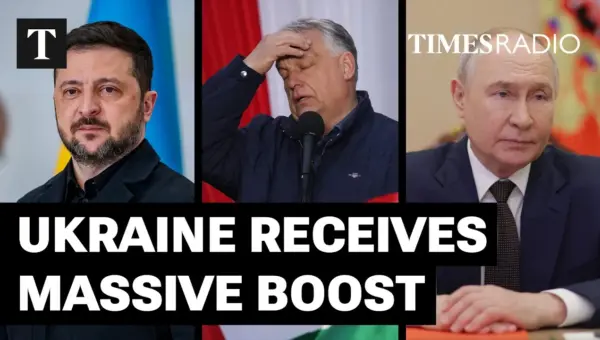
Hungary’s New Leader May Unlock EU Funds for Ukraine
A recent election in Hungary has removed Viktor Orbán, who blocked a crucial 90 billion euro loan for Ukraine. The incoming leadership is expected to release these funds, which are vital for Ukraine's economy and state operations. This shift is seen as a significant positive development for Ukraine amidst its ongoing conflict.
Hungary Rejects Orban, Embraces Pro-EU Path
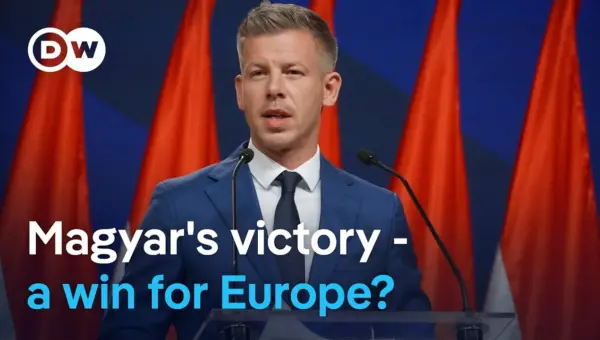
Hungary has elected Peter Magyar as its new leader, signaling a significant shift away from Viktor Orban's nationalist policies and a renewed commitment to the European Union. Magyar's government prioritizes securing frozen EU funds and improving relations with the bloc, though challenges remain in addressing migration and past ties to Russia.

Hungary Ousts Orban: Authoritarian Model Crumbles Amid Corruption Claims
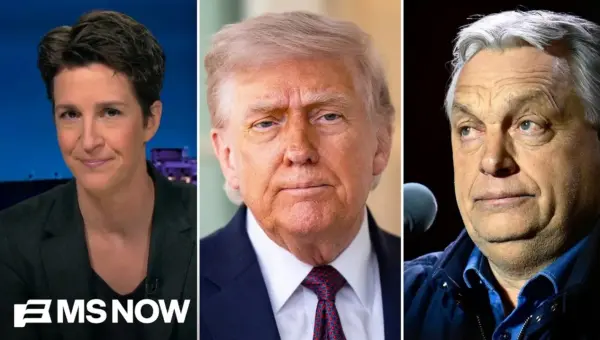
Hungary has ousted Prime Minister Viktor Orban after 16 years, signaling a blow to authoritarianism. The election follows revelations of corruption, including a streetlight scheme enriching his son-in-law, who has reportedly fled the country.