Nvidia Chips Smuggled: China Gains AI Edge?
An investigation into alleged smuggling of $92 million in Nvidia AI chips to China raises national security concerns. U.S. authorities are scrutinizing how advanced technology bypassed export controls, potentially boosting China's military AI capabilities.

Nvidia Chips Smuggled: China Gains AI Edge?
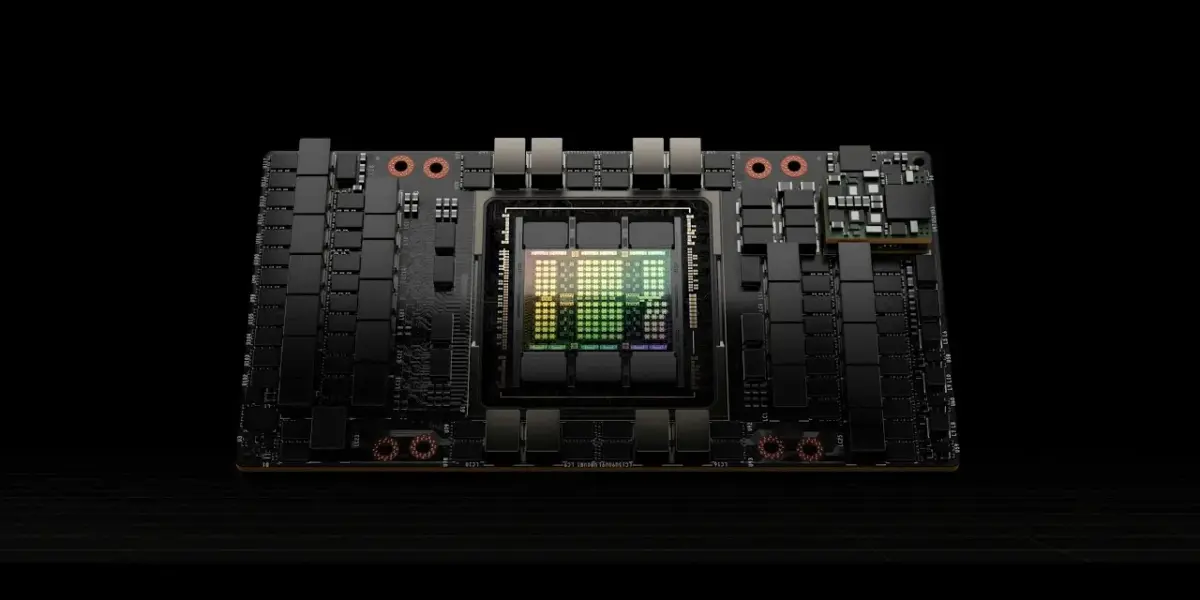
A new investigation is shining a spotlight on how advanced AI chips, designed in the U.S., might be ending up in China. This comes after U.S. authorities accused Super Micro Computer of helping to smuggle billions of dollars worth of Nvidia chips. These powerful chips are the brains behind many AI systems, like the chatbots people use today. They are crucial for developing advanced artificial intelligence.
The investigation started to heat up after shares of a Chinese company, Ansherronic Data Technology, suddenly dropped. Reports linked this company to buying powerful computer servers packed with restricted Nvidia chips. These specific chips were banned from being sold to China without U.S. government approval back in 2022. The goal was to prevent China from accessing top-tier AI technology.
U.S. Export Controls Under Fire
Documents show that Ansherronic Data Technology may have purchased hundreds of these advanced server systems through its other companies. These purchases, made last year, totaled a staggering $92 million. This amount highlights the significant scale of these potential illicit deals. It raises serious questions about how these high-tech components bypassed strict U.S. export rules.
Both Nvidia and Super Micro Computer have stated that their products were not authorized for resale or transfer to China without proper permission. They claim their sales channels are meant to comply with all regulations. However, the sheer volume and value of the alleged smuggling suggest a complex operation might be at play. It points to potential loopholes or deliberate workarounds in the system.
National Security Concerns Drive Restrictions
U.S. officials have been tightening export rules for several years. The main reason is to limit China’s ability to get its hands on advanced AI technology. Experts have warned that China could use these cutting-edge American chips to boost its military capabilities. This potential military application is a major concern for U.S. national security. The fear is that AI advancements in China could shift the global balance of power.
The U.S. government believes that controlling access to these powerful chips is vital. It’s a way to slow down potential rivals in areas like AI development, which has many civilian and military uses. This tension between technological advancement and national security is a growing challenge for policymakers worldwide.
China’s Response and Future Outlook
The Chinese firm at the center of the report, Ansherronic Data Technology, has offered its own explanation. The company stated that it rents out AI servers to other businesses. However, it has not yet revealed whether the hardware it uses is made in the U.S. or contains restricted components. This lack of transparency adds another layer of complexity to the situation.
The investigation is ongoing, and its findings could have significant implications. If proven, the smuggling could lead to stricter enforcement of export controls. It might also prompt further diplomatic tensions between the U.S. and China. The situation underscores the global race for AI dominance and the lengths some may go to acquire the necessary technology.
Why This Matters
This incident is more than just a story about smuggled computer parts. It highlights a critical battleground in the global competition for technological supremacy. The U.S. is trying to maintain its lead in AI by controlling who gets its most advanced chips. China, on the other hand, is determined to build its own AI capabilities, pushing the boundaries of what’s possible.
The ability to develop and deploy advanced AI has far-reaching consequences. It affects everything from economic growth and scientific discovery to national defense. If countries like China can acquire these powerful chips, they could accelerate their progress in AI. This could potentially challenge the technological advantage held by the United States and its allies.
Historical Context
The U.S. has a history of using export controls to protect its technological edge. During the Cold War, for example, there were strict rules about what technology could be shared with the Soviet Union. Today, the focus has shifted to AI and other advanced technologies. The goal remains the same: to safeguard national interests and maintain a strategic advantage in a rapidly changing world.
Trends and Future Outlook
The demand for AI chips is soaring. Companies worldwide are investing heavily in AI research and development. This high demand, coupled with export restrictions, creates incentives for illicit trade. We may see more attempts to circumvent these controls as the race for AI continues.
Moving forward, expect to see increased scrutiny of supply chains and more aggressive enforcement by U.S. authorities. International cooperation might also become more important to prevent the spread of sensitive technologies. The outcome of this investigation could shape future policies on AI chip sales and international tech trade for years to come.
Source: Concerns Raised Over $92 Million Nvidia AI Chip Smuggle to China (YouTube)

Related Articles

Iran’s Bold Move Exposes US Weakness in Persian Gulf
A Chinese tanker's easy passage through a U.S. blockade and a U.S. aircraft carrier's lengthy detour raise questions about American influence in the Persian Gulf. As global alliances shift, the effectiveness of U.S. foreign policy is under scrutiny.


US Oil Sanctions on Iran Spark Global Price Fears
New U.S. sanctions on Iran are drawing sharp criticism from China and sparking fears of higher global oil prices. While intended to pressure Iran, analysts suggest the measures could inadvertently disrupt supply and increase costs worldwide. The situation unfolds amidst ongoing ceasefire talks and broader geopolitical tensions.
Trump’s Tariff Threat: China’s Iran Arms Deal Sparks Crisis
President Trump has warned China against supplying weapons to Iran, threatening a "staggering" 50% tariff if they do. U.S. intelligence reports suggest China may be preparing to send air defense systems, including missiles, to Iran. This development significantly heightens tensions ahead of a crucial summit between President Trump and Chinese President Xi Jinping.