Trump Hints at Cuba Focus After Iran: A Policy Shift?
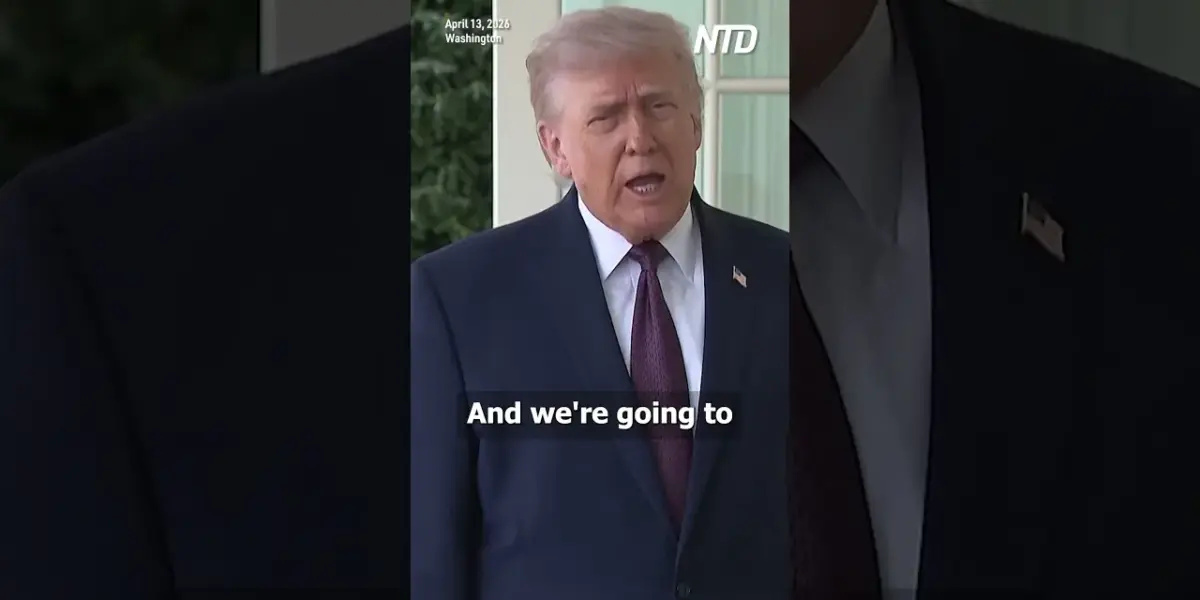
Donald Trump has indicated a potential shift in U.S. foreign policy, suggesting Cuba could become a focus after operations in Iran conclude. His remarks described Cuba as a "terribly run" and "oppressive" nation, highlighting the experiences of Cuban Americans. This signals a possible return to a more hardline stance.

Trump Hints at Cuba Focus After Iran: A Policy Shift?
Donald Trump has suggested that the United States might turn its attention to Cuba once operations related to Iran conclude. This statement, made in reference to Cuba being a “terribly run country” with an “oppressive” and “bad system,” signals a potential shift in foreign policy focus. Trump’s remarks highlighted his view of Cuba as a “failing nation,” a description he linked to its long-standing governance under the Castro regime.
The former President also mentioned the strong support he receives from Cuban Americans. He stated that these individuals, who largely voted for him, have faced mistreatment. Trump alluded to severe hardships, including violence and death, experienced by some Cuban Americans and their families due to the situation in Cuba. These comments suggest a potential re-evaluation of U.S.-Cuba relations under a future Trump administration, possibly with a more assertive stance.
Historical Context: A Long, Complicated Relationship
The relationship between the United States and Cuba has been complex and often tense for decades. Following the Cuban Revolution in 1959, which brought Fidel Castro to power, the U.S. implemented a series of sanctions and policies aimed at isolating the communist government. The Bay of Pigs invasion in 1961 and the Cuban Missile Crisis in 1962 are key historical events that defined this adversarial period.
For many years, U.S. policy toward Cuba was largely focused on maintaining economic pressure. However, under the Obama administration, there was a significant thaw in relations, including the reopening of embassies and a relaxation of some travel and trade restrictions. This period of engagement was largely reversed by the Trump administration, which reimposed stricter measures. Trump’s recent remarks suggest a return to a more hardline approach, though the specifics remain unclear.
Examining the Rhetoric: What Trump’s Words Imply
Trump’s characterization of Cuba as “terribly run” and “oppressive” aligns with a long-standing U.S. foreign policy critique of the Cuban government. His emphasis on the plight of Cuban Americans also taps into a significant voting bloc. For many in this community, the situation in Cuba remains a deeply personal and political issue.
The mention of “operations” related to Iran suggests that any focus on Cuba would be secondary to other geopolitical priorities. However, the direct linking of these two distinct foreign policy areas raises questions about how Trump envisions managing multiple international challenges simultaneously. It also hints at a potential for a more transactional approach to foreign policy, where actions in one region could directly influence policy in another.
Balanced Perspectives: Potential Outcomes and Criticisms
From one perspective, a renewed focus on Cuba could be seen as a continuation of efforts to promote democracy and human rights on the island. Supporters might argue that increased pressure could encourage necessary reforms and alleviate suffering. The strong backing Trump receives from many Cuban Americans suggests this approach resonates with a significant portion of the diaspora.
However, critics might point to the historical ineffectiveness of strict sanctions in forcing political change. They could argue that a more confrontational policy might further isolate Cuba, harm its citizens, and potentially lead to unintended consequences. Some analysts suggest that engagement, rather than isolation, can be a more effective tool for fostering dialogue and gradual change. The impact on regional stability and U.S. standing in Latin America would also be a key consideration.
Why This Matters
Trump’s statements are significant because they signal a potential return to a more assertive and perhaps unpredictable U.S. foreign policy. The U.S. relationship with Cuba has broad implications for regional diplomacy, international trade, and the lives of millions of Cubans. Any shift in policy could affect everything from travel restrictions to economic opportunities. Furthermore, linking Cuba policy to actions in the Middle East suggests a foreign policy approach that is less about traditional alliances and more about strategic maneuvering.
Implications, Trends, and Future Outlook
If Trump were to prioritize Cuba, we could see a reversal of the limited engagement seen in recent years. This might include tighter sanctions, further restrictions on travel and remittances, and increased diplomatic pressure. Such a move would likely be met with strong opposition from the Cuban government and could strain relationships with other countries that favor engagement.
The trend toward a more nationalistic and transactional foreign policy under Trump could continue. This approach prioritizes perceived U.S. interests and may involve using pressure or incentives to achieve specific outcomes, regardless of traditional diplomatic norms. The future outlook for U.S.-Cuba relations, therefore, hinges heavily on the political landscape and the specific priorities of any future administration. The interplay between domestic politics, particularly the influence of the Cuban American vote, and international strategy will remain critical.
Source: Trump Says US Focus May Turn to Cuba After Iran Operation Ends (YouTube)

Related Articles
Trump-Vance Brand Suffers Overseas After Iran War, Analyst Says
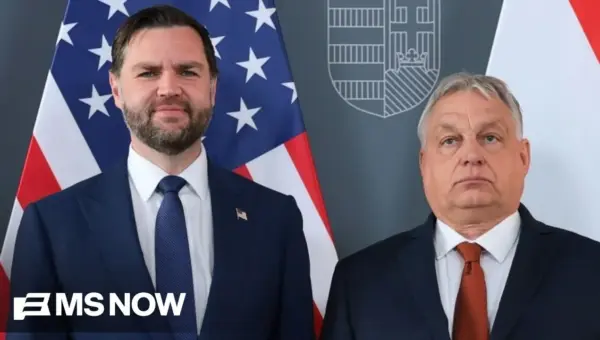
Senator J.D. Vance's recent trip to Hungary to support Prime Minister Viktor Orban has drawn sharp criticism, with analysts arguing the "Trump-Vance brand" has become toxic overseas. Despite Vance's defense of the visit as supporting an ally, critics point to Orban's authoritarian record, suggesting such endorsements may now backfire, rallying opposition against the supported candidates.
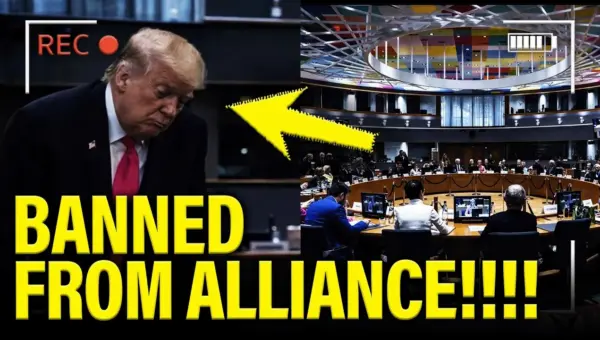
Global Alliances Shift: World Leaders Bypass Trump
World leaders are forging new international alliances, notably excluding Donald Trump from key emerging security blocs. This shift sees China positioning itself as a superpower, while Ukraine offers advanced military technology and Europe takes a more active role in regional stability. These developments signal a potential restructuring of global power dynamics.
Markets Defy War Fears as Oil Prices Fluctuate
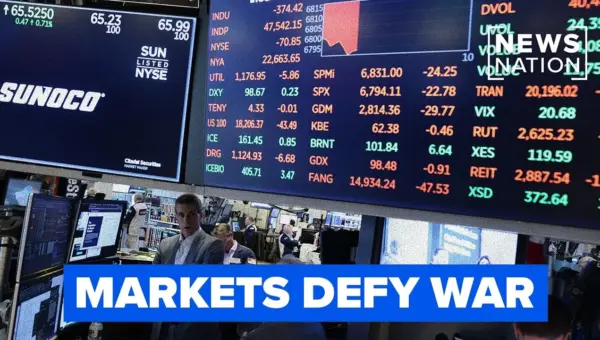
Wall Street rallied and erased Iran war losses as oil prices fluctuated near $100 a barrel. Despite market gains, Americans face higher gas prices, with a U.S. blockade of the Strait of Hormuz potentially worsening inflation. The Producer Price Index report is closely watched for future inflation signals.