Congress Faces Reckoning: Swallwell, Gonzalez Resign Amid Scandal
Two U.S. Congress members, Eric Swalwell and Tony Gonzales, have resigned amid scandals involving sexual misconduct allegations. Swalwell's swift departure followed Democratic party pressure, while Gonzales's resignation came after Republicans faced scrutiny for their delayed response. The events highlight differing party approaches to accountability and draw parallels to broader political loyalty concerns.

Congress Scrambles as Two Members Resign Amid Scandal
In a swift and dramatic turn of events, two U.S. Congress members, Democrat Eric Swalwell and Republican Tony Gonzales, have resigned from their seats. The resignations, announced within hours of each other, followed separate but related scandals involving allegations of sexual misconduct and improper relationships with staff. The rapid departures highlight a stark contrast in how the two major political parties are handling such accusations, with Democrats moving quickly to distance themselves from Swalwell while Republicans faced pressure over their delayed response to allegations against Gonzales.
Swalwell’s Swift Exit
Democratic Congressman Eric Swalwell, a frequent guest on television programs, issued a statement acknowledging past mistakes and judgments. “I am deeply sorry to my family, staff, and constituents for mistakes and judgments I’ve made in my past,” Swalwell stated. He also addressed what he called “serious false allegations” but took responsibility for his own errors. Facing calls for an immediate expulsion vote, Swalwell decided to resign to avoid distracting his constituents from their needs. His resignation was quickly followed by his allies, including former Speaker Nancy Pelosi, who had initially urged him to withdraw from a gubernatorial campaign before supporting his departure from Congress.
Republicans Under Fire for Gonzales Response
The speed of the Democratic party’s action against Swalwell sharply contrasted with the Republican party’s handling of allegations against Congressman Tony Gonzales. Republicans had remained largely silent for months regarding accusations that Gonzales engaged in an extramarital sexual relationship with a staff member who later died by suicide. Further reports emerged detailing claims that Gonzales had asked another former campaign aide to send him nude photographs and engage in sexual activity. This silence drew criticism, especially as the House prepared for potential votes on expelling members. Faced with the prospect of having to address the allegations against Gonzales if Swalwell was to be expelled, Republicans found themselves in a difficult position.
A Tale of Two Parties, One Outcome
The pressure mounted, and just over an hour after Swalwell announced his resignation, Tony Gonzales also resigned from Congress. The article suggests that Republican leaders would have likely tolerated Gonzales’s situation had Democrats not acted so decisively against Swalwell. This created a political imperative for Republicans to address their own internal issues. The events underscore a significant difference in party responses to misconduct allegations, with Democrats appearing to prioritize swift action and accountability, while Republicans faced criticism for perceived delays and a reluctance to confront similar issues within their own ranks.
Broader Context: Trump and Party Loyalty
The discussion then broadened to draw parallels between these congressional scandals and the broader political landscape, particularly concerning Donald Trump. The transcript notes that many Republican members of Congress voted for Donald Trump three times after he was heard on the Access Hollywood tape describing sexual assault. It highlights a perceived pattern of Republican loyalty to Trump, even in the face of accusations and legal challenges. The article posits that Republican members of Congress often operate in fear of criticism from Trump, citing the example of Republican Catholics in Congress who supported him despite his legal troubles and public statements, including attacks on the Pope.
Concerns Over Mental Fitness and Foreign Policy
Further sections of the transcript delve into concerns raised about Donald Trump’s mental fitness, citing reports from his former White House Chief of Staff John Kelly, who reportedly concluded Trump was mentally ill. The article also touches on Trump’s controversial statements regarding Iran, his decision to withdraw from the Iran nuclear deal, and his handling of the Strait of Hormuz. The piece contrasts Trump’s approach with the diplomatic efforts of the Obama administration, as explained by former Ambassador Wendy Sherman, who detailed the meticulous negotiations involved in the Iran deal. The interview with Sherman emphasizes the importance of strategic patience and expertise in foreign policy, suggesting that Trump’s actions have weakened the U.S.’s position and increased the risk of nuclear proliferation.
Hungary Election and Legal Battles
The discussion extends to international politics, specifically Donald Trump’s endorsement of Hungarian Prime Minister Viktor Orbán, who recently lost a significant election. The article suggests that Trump’s attempt to influence the election by offering economic support backfired. Historian Timothy Snyder explains that while American interference may not have been decisive, Orbán’s defeat carries implications for the international far-right network, of which Trump and his allies are a part. The transcript also notes that Donald Trump has repeatedly lost court cases, including a defamation lawsuit against the Wall Street Journal, which a federal judge dismissed. The article points out the irony of Trump socializing with Rupert Murdoch, the owner of the Wall Street Journal, after filing a lawsuit against him, and mentions a previous dismissal of a similar lawsuit against the New York Times.
Looking Ahead
The rapid resignations from Congress signal a period of intense scrutiny for both parties. The contrasting approaches to handling allegations of misconduct will likely be a key point of discussion heading into future elections. Meanwhile, ongoing concerns about Donald Trump’s rhetoric, his foreign policy decisions, and his legal challenges continue to shape the political narrative, suggesting that the coming months will be critical in understanding the direction of American politics and its international standing.
Source: The Last Word with Lawrence O'Donnell – April 13 | Audio Only (YouTube)

Related Articles
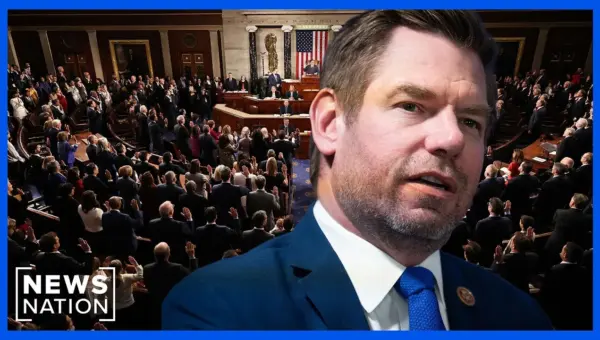
Congressmen Resign Amid Misconduct Allegations
U.S. Representatives Eric Swalwell (D-CA) and Tony Gonzales (R-TX) are resigning from Congress amid serious misconduct allegations and investigations. Their departures will trigger special elections, potentially shifting the balance of power in the House.

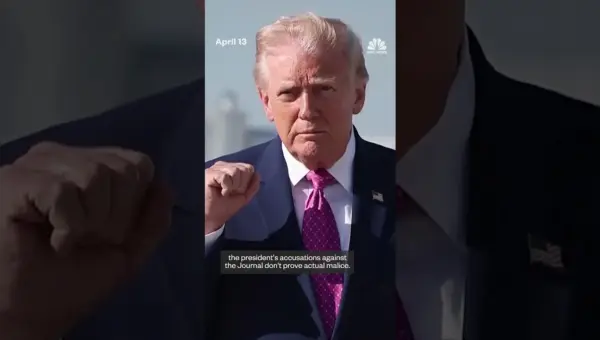
Judge Tosses Trump’s $10B Lawsuit Against WSJ
A federal judge has dismissed former President Donald Trump's $10 billion lawsuit against The Wall Street Journal. The judge ruled that Trump's team failed to prove 'actual malice' by the newspaper. Trump's legal team stated they will continue to fight against what they call 'fake news'.

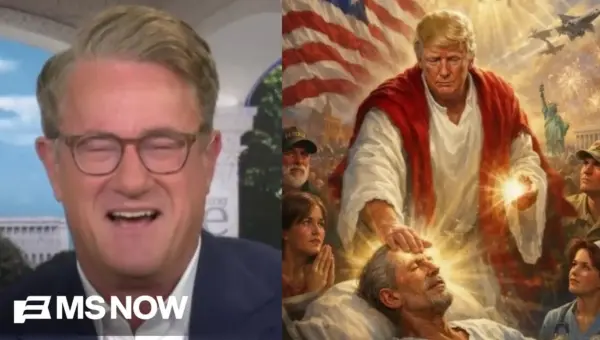
Trump’s ‘Jesus’ Image Sparks Outrage, Laughter
Donald Trump's Easter social media post depicting himself as Jesus Christ sparked widespread outrage and disbelief, leading to the image's swift deletion. His subsequent claim that he thought the image was of himself as a doctor was met with derision, with critics citing biblical ignorance and blasphemy. The incident occurred amid broader criticism of Trump's remarks about Pope Francis, further fueling debate about faith and politics.