Israel Unleashes Barrage, Striking 150 Hezbollah Sites Daily
Israel has dramatically increased strikes against Hezbollah, hitting 150 targets in 24 hours. This escalation occurs just before crucial talks in Washington, where Lebanon seeks a ceasefire, but Israel remains firm. Hezbollah's tactics are increasingly mirroring those of Hamas, raising grave concerns.

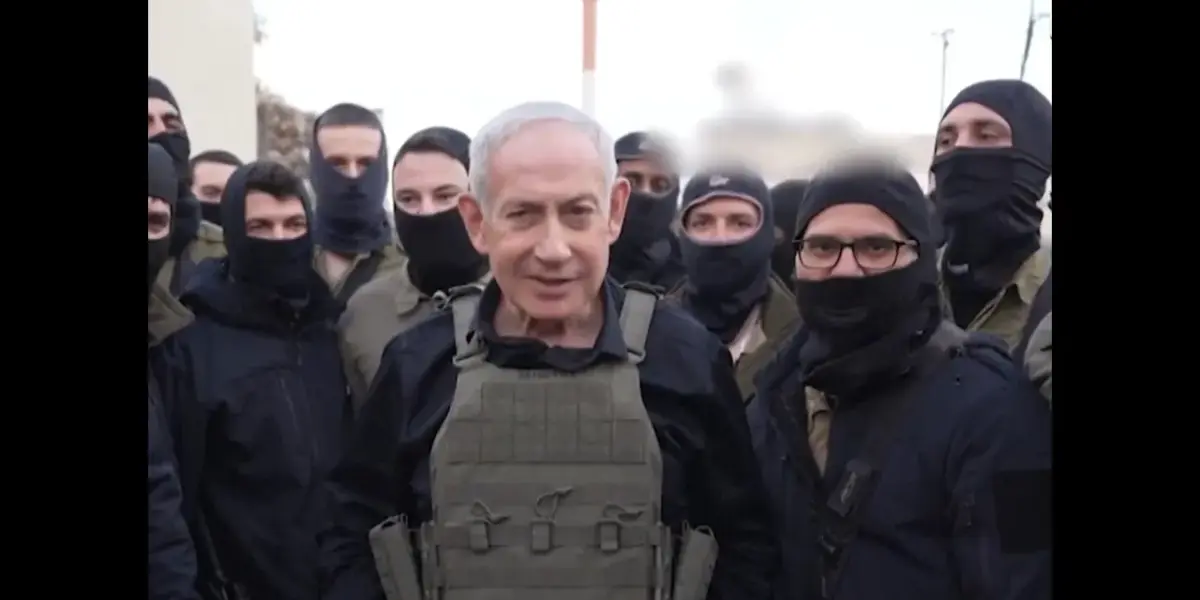
Israel Escalates Attacks on Hezbollah Amidst Diplomatic Talks
Israeli forces have intensified their operations against the Iran-backed Hezbollah group in Lebanon, reporting strikes on approximately 150 Hezbollah targets within a single 24-hour period. These actions come just before important talks between Israel and Lebanon are set to take place in Washington. The Israel Defense Forces (IDF) are maintaining pressure on Hezbollah, hitting targets like rocket launchers, attack drones, and missile launch sites. These strikes are meant to support Israeli troops fighting Hezbollah in southern Lebanon.
Netanyahu Claims Regional Shift
Israeli Prime Minister Benjamin Netanyahu recently visited troops on the ground. He stated that Israel has significantly altered the Middle East. According to Netanyahu, enemies like Iran and its allies, who aimed to destroy Israel, are now struggling to survive. He sees this struggle across different areas of conflict. This suggests a belief within the Israeli government that their actions have fundamentally changed the regional power balance.
Echoes of Hamas Tactics Emerge
Concerns are growing as Hezbollah appears to be adopting tactics similar to those used by Hamas in Gaza. Israeli troops have discovered and disabled an underground tunnel in southern Lebanon intended for terrorist activities. This mirrors accusations leveled against Hamas regarding tunnel networks. Additionally, military-grade weapons were found stored in a hospital in southern Lebanon, another tactic previously associated with Hamas. Such practices raise serious questions about the methods used by these groups.
“Our enemies, Iran and the Axis of evil came to destroy us and now they are simply fighting for their survival.” – Benjamin Netanyahu
Civilian Casualties and Red Cross Concerns
The ongoing conflict has also led to civilian casualties and raised concerns from humanitarian organizations. Lebanese state-run media reported an Israeli airstrike hitting a Red Cross facility, resulting in one death. In a separate incident, the Lebanese Red Cross accused Israel of killing one of their volunteers. A memorial service for the volunteer prominently featured Hezbollah flags, highlighting the group’s identification with the deceased and their cause. An Israeli military spokesperson stated that forces targeted a Hezbollah operative near Israeli troops and that the incident is under investigation.
Diplomatic Path Forward Uncertain
The leader of Hezbollah has urged the Lebanese government not to engage in talks with Israel. Despite this, Lebanon and Israel are scheduled to meet in Washington to discuss the escalating tensions. Lebanon’s foreign minister plans to use the meeting to push for a ceasefire. However, Israel has indicated that a ceasefire with Hezbollah is not currently being considered. This stance suggests a potential deadlock in diplomatic efforts.
Why This Matters
The intense Israeli strikes on Hezbollah targets signal a significant escalation in the long-standing conflict. The reported adoption of tactics like hiding weapons in civilian areas and using tunnels by Hezbollah raises serious ethical and security concerns. It also complicates efforts to distinguish between combatants and civilians, potentially leading to more tragic outcomes. The Prime Minister’s strong statements about changing the Middle East reflect a bold assertion of Israeli influence and a belief in the success of their military strategy. However, this approach also risks further destabilizing an already volatile region.
Implications and Future Outlook
The current situation suggests a prolonged period of conflict rather than a swift resolution. Israel’s commitment to striking Hezbollah targets, coupled with Hezbollah’s continued resistance and alleged use of civilian infrastructure, points towards a difficult path ahead. The upcoming talks in Washington are crucial, but with Israel ruling out a ceasefire, the immediate prospects for de-escalation appear slim. The potential for this conflict to spill over into wider regional instability remains a significant concern. The international community faces the challenge of addressing the humanitarian impact while also seeking a sustainable path to peace.
Historical Context
The conflict between Israel and Hezbollah is not new. It has roots in the complex political and military landscape of the Middle East. Hezbollah, designated as a terrorist group by many countries, emerged in the early 1980s and has been a persistent adversary of Israel. Both sides have engaged in cycles of violence over the decades. This current escalation, however, appears to be particularly intense, potentially influenced by broader regional dynamics and the ongoing conflicts in neighboring areas like Syria and Yemen. The use of similar tactics by different militant groups also suggests a possible coordination or shared learning process.
Source: Israel Strikes 150 Hezbollah Targets in 24 Hours (YouTube)

Related Articles

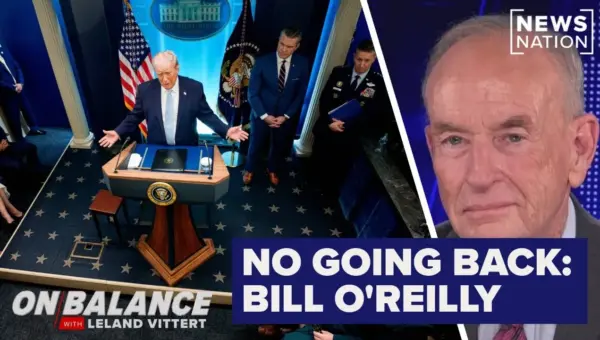
Trump Risks Legacy in High-Stakes Iran Standoff
President Trump is locked in a high-stakes standoff with Iran, risking his legacy and political future. The U.S. strategy to block Iran's oil exports faces a test of endurance against Iran's historical willingness to absorb massive human and economic costs. This confrontation carries significant global economic and security implications.
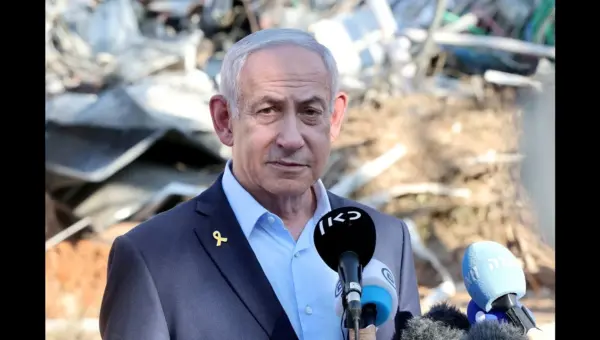
Netanyahu’s ‘Never Again’ Vow Echoes Past and Present Threats
Israeli Prime Minister Benjamin Netanyahu met with Holocaust survivors, vowing 'never again' as he drew parallels between past atrocities and current threats. He highlighted Israel's military strength and international alliances as crucial safeguards against annihilation.

US Clicks Strait of Hormuz, Iran Faces Economic Siege
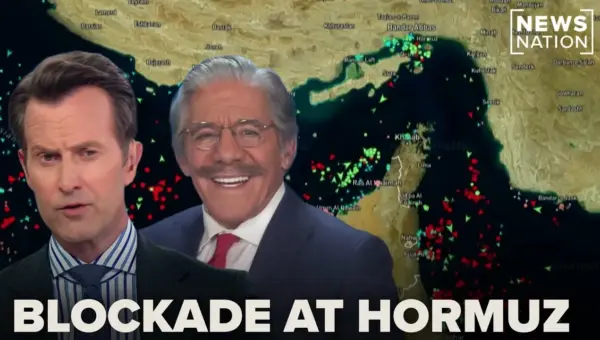
The United States has implemented a blockade targeting Iranian ports in the Strait of Hormuz, aiming to cripple Iran's economy and force nuclear negotiations. This bold move follows failed talks and seeks to cut off Iran's vital oil revenues, though it risks global economic impact and regional instability.