US and China Clash Over Vital Strait: A Geopolitical Chess Match
The U.S. naval blockade in the Strait of Hormuz has created a direct clash with China, which relies heavily on Iranian oil. This move leverages China's energy dependence to exert pressure, potentially leading to concessions in broader trade negotiations. The situation highlights the complex interplay of global energy markets, geopolitical strategy, and the delicate balance of power between nations.

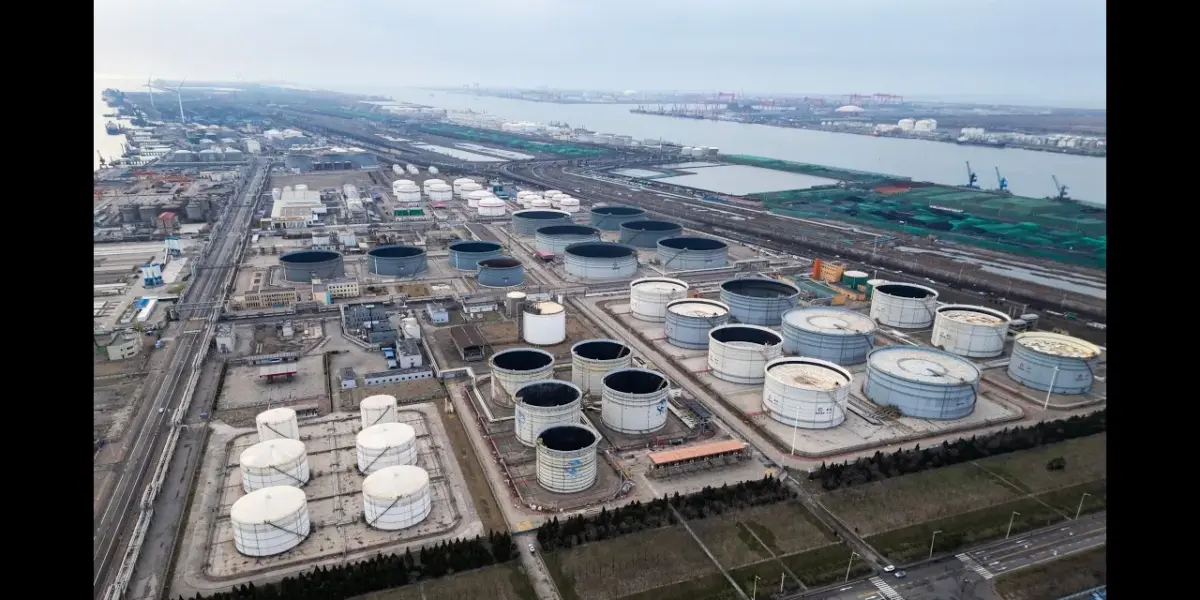
US and China at Odds Over Hormuz Strait
The United States and China find themselves in a tense standoff concerning the Strait of Hormuz, a critical waterway for global oil transport. A recent naval blockade ordered by the U.S. has put these two world powers at direct odds. While the U.S. aims to prevent ships from accessing Iranian ports, China relies heavily on Iranian oil and sees this move as a direct challenge to its energy security and economic interests.
Iran’s Leverage and China’s Dependence
Iran’s primary leverage against the U.S. is its ability to disrupt shipping in the Strait of Hormuz. This threat is particularly potent because China depends on Iran for a significant portion of its oil supply. This oil is often supplied at a steep discount due to existing sanctions, making it crucial for China’s economy. The U.S. blockade, therefore, directly impacts China’s access to this vital, low-cost energy source.
A Strategic Game of Influence
The situation is complex, with multiple players and competing interests. The U.S. objective is to pressure Iran by cutting off its oil exports, while also ensuring the free flow of oil for the rest of the world. However, President Trump’s policy specifically targets ships calling at Iranian ports, a move that directly affects China’s ability to import Iranian oil. This creates a delicate balancing act for China, which needs the strait open for its own oil imports but also has a strategic partnership with Iran.
“Unless China decides that they’re going to buy their oil from the GCC countries, the Arab countries on the other side of the Persian Gulf, this is this is a policy that is aimed partially at China.”
US Holds the Cards
The U.S. strategy appears to be using the blockade as a form of leverage in broader negotiations with China. By restricting access to Iranian oil, the U.S. believes it can compel China to make concessions on other trade issues. The analyst suggests that China’s need for stable energy supplies, especially discounted Iranian oil, puts it in a difficult position. This dependence means China may be willing to offer concessions to ensure the Strait remains open for its vessels.
Beyond Missiles: Supply Chain Concerns
Concerns also extend beyond immediate naval actions. There are suspicions that China has supplied Iran with advanced weaponry, including components for missiles. These materials, such as ammonium perchlorate and sodium perchlorate, are key ingredients for explosives and rocket fuel. Such supplies could allow Iran to deploy solid-fuel missiles quickly, posing a significant threat. Furthermore, China and Russia can bypass naval blockades by supplying Iran through overland routes, adding another layer of complexity to U.S. strategy.
Historical Context: A Familiar Strait
The Strait of Hormuz has long been a focal point of international tension. Its strategic importance has led to various naval operations and diplomatic efforts over the decades to ensure freedom of navigation. The U.S. has a history of escorting tankers and protecting shipping lanes in the region, a capability that has only improved since similar operations in the past.
China’s Energy Vulnerability
China’s economic growth has been significantly fueled by cheap oil from countries like Iran and Venezuela. The U.S. actions, including sanctions on Venezuela, have disrupted these supply lines. Unlike the United States, China lacks substantial domestic oil and gas reserves, making it highly dependent on imports. This vulnerability leaves China in a weaker negotiating position than it might have anticipated.
The Blockade Mechanism: Precision Over Force
The U.S. blockade doesn’t necessarily require physically closing the entire strait. A more precise approach involves preventing pilots from guiding supertankers into and out of Iranian terminals. By restricting access for these skilled pilots, the U.S. can effectively halt Iranian oil exports without a broad, potentially escalatory, physical blockade of the waterway itself. This targeted strategy aims to achieve the desired outcome with less risk of wider conflict.
Why This Matters
The standoff in the Strait of Hormuz has significant implications for global energy markets and international relations. The price of oil is directly affected by disruptions in this vital chokepoint. For China, securing its energy supply is paramount to maintaining economic stability and its position as a global power. The U.S. strategy highlights the use of energy policy as a tool of foreign policy, aiming to exert pressure on adversaries and shape geopolitical outcomes. The situation also serves as a case study for China, as it observes U.S. actions in the Strait of Hormuz, potentially informing its own responses to future challenges, such as in the South China Sea.
Future Outlook: De-escalation Expected
Despite the current tensions, the analyst predicts a de-escalation. It is seen as being in China’s best interest to help Iran de-escalate, primarily to ensure a stable energy supply. Once the U.S. can reassure international insurers that shipping is safe, oil tankers loaded within the strait are expected to begin moving out, which should help stabilize and potentially lower global oil prices. China will likely have to pay market rates for oil moving forward, ending its advantage of discounted, sanctioned supplies.
Source: US at ‘Complete Loggerheads’ With China over Hormuz Strait Blockade: Analyst (YouTube)

Related Articles
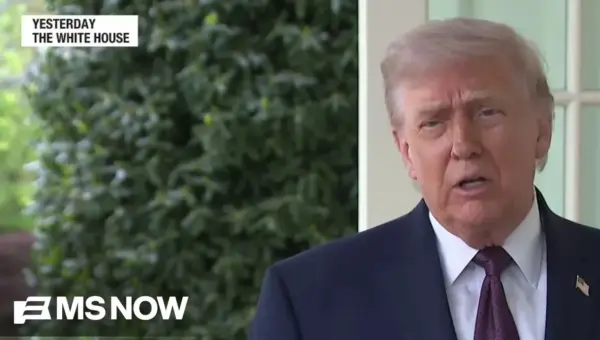
US Blockades Iranian Ports Amid Tensions, Risks Global Fallout
The U.S. military has begun blockading Iranian ports in an effort to pressure Tehran into a deal, risking higher global energy prices and wider conflict. Despite President Trump's warnings and Iran's retaliatory threats, diplomatic talks are reportedly being considered, with potential in-person negotiations on the horizon.


Hungary Rejects Orban, Embraces Pro-EU Path
Hungary has elected Peter Magyar as its new leader, signaling a significant shift away from Viktor Orban's nationalist policies and a renewed commitment to the European Union. Magyar's government prioritizes securing frozen EU funds and improving relations with the bloc, though challenges remain in addressing migration and past ties to Russia.

Iran Blockade Shifts Global Oil Flow to U.S.
A blockade in the Strait of Hormuz has triggered a major shift in global oil supply routes, with supertankers now heading to the U.S. Gulf Coast. Despite geopolitical tensions, markets remain resilient, and corporate profits are projected to rise.