Trump’s Tip Tax Gaffe Exposes Deeper Economic Divide
Donald Trump's attempt to promote a tax break on tips through a staged event has been criticized for its limited benefits and its role as a distraction. The policy offers a small deduction while wealthier individuals receive larger tax advantages, a pattern that critics argue fuels income inequality. The analysis suggests that using culture war issues to divert attention from these economic realities may be losing its effectiveness.

Trump’s Tip Tax Gaffe Exposes Deeper Economic Divide
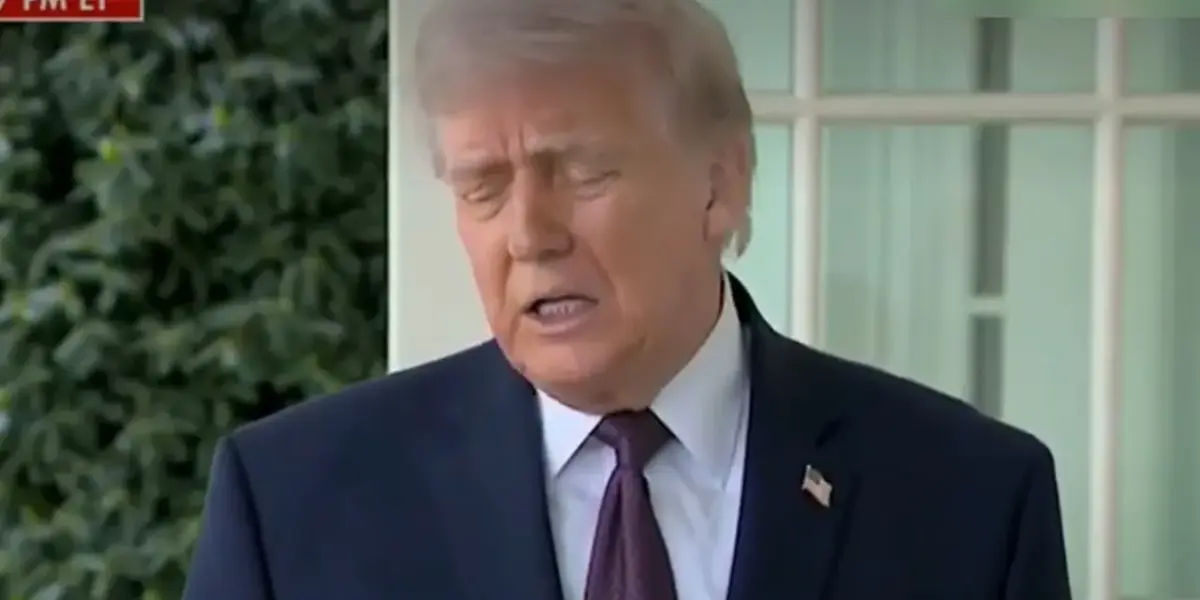
Donald Trump recently attempted a public relations move involving a DoorDash driver and his policy on taxing tips. However, this stunt appears to have backfired, highlighting a wider disconnect between his campaign promises and the reality for many working Americans. The event, intended to promote his idea of a tax break on tips, quickly revealed the limitations and complexities of his proposal.
A Staged Event?
The invitation for a DoorDash driver from Arkansas to visit the White House felt more like a planned event than an spontaneous encounter. This raises questions about the authenticity of such political performances. It’s a tactic that often aims to connect with everyday people, but when the setup feels artificial, it can undermine the message.
The Truth About Taxing Tips
Trump’s proposed policy isn’t a complete elimination of taxes on tips. Instead, it offers a federal tax deduction of up to $25,000 for certain tips. This deduction has income limits, meaning higher earners benefit less. For couples, a household income limit could further reduce the benefit for individual workers.
Furthermore, workers would still need to pay payroll taxes, like Social Security and Medicare, along with state income taxes on their tip earnings. This means the promise of removing all taxes on tips is not fully met. The deduction is also temporary, set to expire in 2028, conveniently aligning with the end of a potential presidential term.
What About the Wealthy?
While the tip tax deduction offers a limited benefit to some workers, Trump’s past policies have provided significant advantages to the wealthy. Programs like the opportunity zone and bonus depreciation rules allowed wealthy investors to get large tax breaks. These breaks have even been used for luxury projects, like building marinas for super yachts, rather than directly helping struggling communities.
This contrast shows a pattern: substantial benefits for the rich and comparatively small gestures for the working class. It echoes the idea of trickle-down economics, where wealth is expected to flow down, but critics argue it often leads to greater income inequality. The gap between what the wealthiest save and what tipped workers might gain from this deduction is vast.
Culture Wars as a Distraction
The video suggests that these economic issues are often overshadowed by what are called “culture war” topics. These are social issues, like debates over sports or identity, that can divide people. Republicans, according to this view, use these divisive topics to distract voters from economic policies that may not be popular.
When people are focused on social debates, they may be less likely to notice or question economic decisions that benefit the wealthy. The argument is that these cultural issues serve as a smoke screen. They prevent people from seeing that the government might not be working in their best interest, especially if they are working-class.
Historical Context of Inequality
The trend of increasing income inequality in America is not new. Since the late 1980s, policies often associated with trickle-down economics have been implemented. Critics point to charts showing a significant rise in the gap between the richest and the rest of the population during this period.
The strategy, as described, is to pit different groups against each other. For example, convincing someone earning $50,000 a year that someone earning $7 an hour is the problem. This prevents unity among those who might share similar economic struggles but are divided by other issues. The focus shifts away from those with millions of dollars who may be benefiting most from current economic systems.
A Shift in Public Awareness?
The video suggests that voters may be becoming more aware of these tactics. The idea is that simply using cultural issues to distract from economic realities might not work as effectively as it has in the past. People are starting to connect their struggles with economic policies rather than social debates.
The author of the video mentions a new book, “The Day After: How to Wield Power in a Post-Trump World.” This book explores how power is used and misused in politics, particularly focusing on how Republicans might abuse it and how Democrats might not use it effectively. It aims to provide a plan for progressives to create meaningful change.
Why This Matters
This analysis highlights a critical tension in modern politics: the use of social issues to distract from economic policies that may exacerbate inequality. The limited nature of the proposed tip tax deduction, contrasted with substantial benefits for the wealthy, suggests a political strategy that may no longer resonate with a public increasingly concerned about their economic well-being.
The implications are significant. If voters see through these distractions, it could lead to a political landscape where economic fairness and working-class interests take center stage. The future outlook depends on whether political leaders can address these economic concerns directly or continue to rely on divisive social issues. The historical trend of rising inequality suggests a long-standing challenge that requires more than temporary fixes or symbolic gestures.
Source: OMG: Trump gets HUMILIATED by DoorDash driver (YouTube)

Related Articles
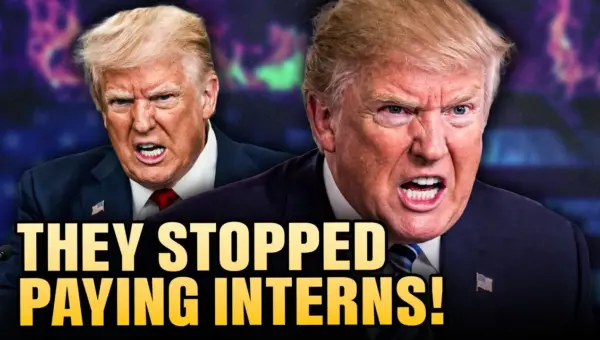
Trump Ends Paid Internships, Reverting to Unpaid Labor at White House
Donald Trump has reversed a Biden-era policy, ending pay for White House interns. This decision brings back unpaid labor, raising concerns about financial accessibility and the true value of the experience gained in a potentially chaotic environment.

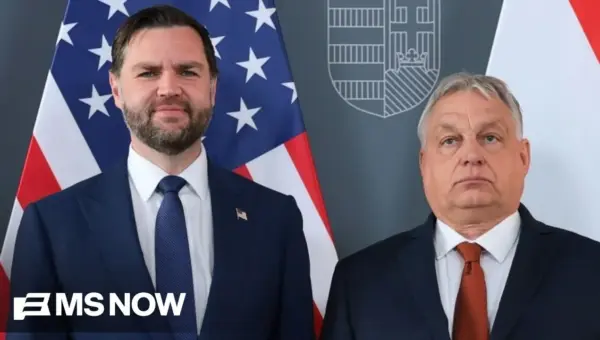
Trump-Vance Brand Suffers Overseas After Iran War, Analyst Says
Senator J.D. Vance's recent trip to Hungary to support Prime Minister Viktor Orban has drawn sharp criticism, with analysts arguing the "Trump-Vance brand" has become toxic overseas. Despite Vance's defense of the visit as supporting an ally, critics point to Orban's authoritarian record, suggesting such endorsements may now backfire, rallying opposition against the supported candidates.

Global Alliances Shift: World Leaders Bypass Trump
World leaders are forging new international alliances, notably excluding Donald Trump from key emerging security blocs. This shift sees China positioning itself as a superpower, while Ukraine offers advanced military technology and Europe takes a more active role in regional stability. These developments signal a potential restructuring of global power dynamics.