Iran Talks Collapse: Oil Spikes, Markets Flinch
Failed peace talks between the U.S. and Iran sent shockwaves through global markets, causing stocks to open lower and oil prices to surge past $100 a barrel. The U.S. Navy's planned blockade of Iranian ports heightened fears of renewed conflict and sustained high energy costs.

Markets Reel as Iran Peace Talks Falter
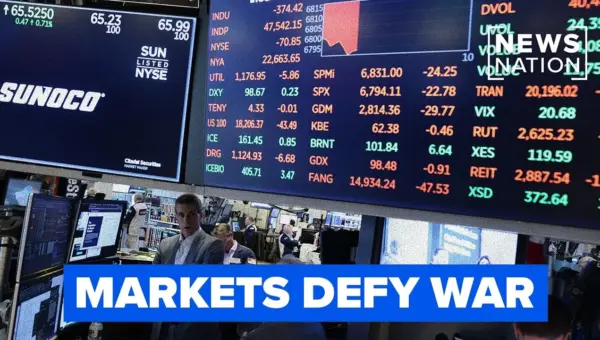
Wall Street started the trading week on shaky ground. Stocks opened lower on Monday after crucial talks between the United States and Iran failed to reach an agreement to end the ongoing conflict. This breakdown in diplomacy immediately sparked worries about renewed turbulence in the financial markets. The Dow Jones Industrial Average saw an initial drop of 198 points. The broader S&P 500 index fell 10 points, while the tech-heavy Nasdaq composite also experienced a decline, losing 53 points at the opening bell. This reaction shows how sensitive markets can be to international relations.
Oil Prices Surge Past $100 Amidst Tensions
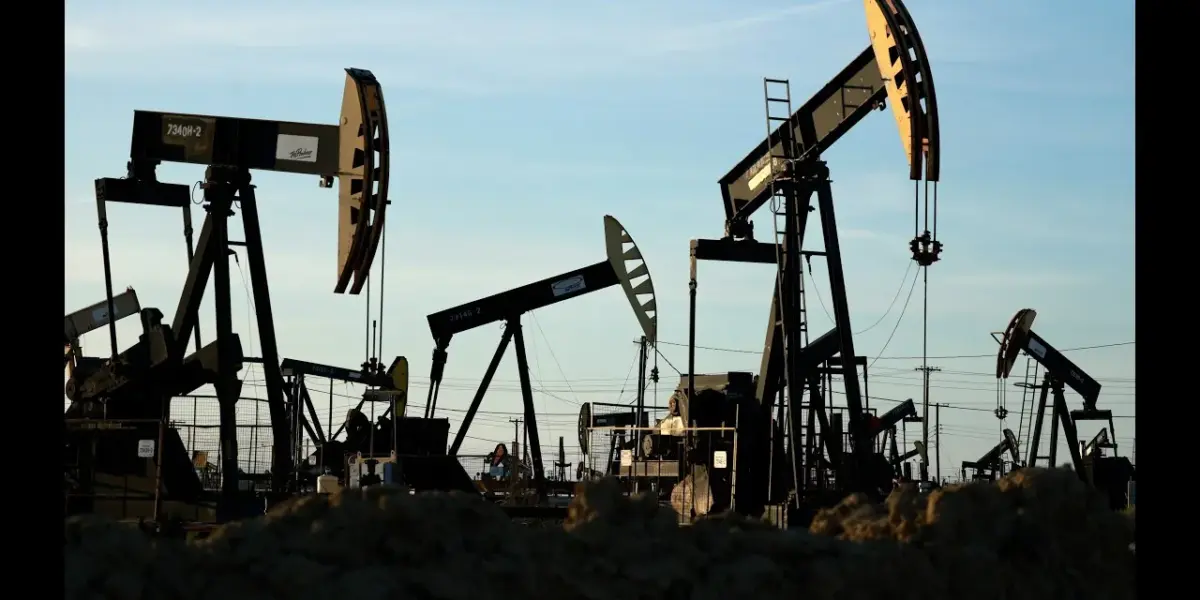
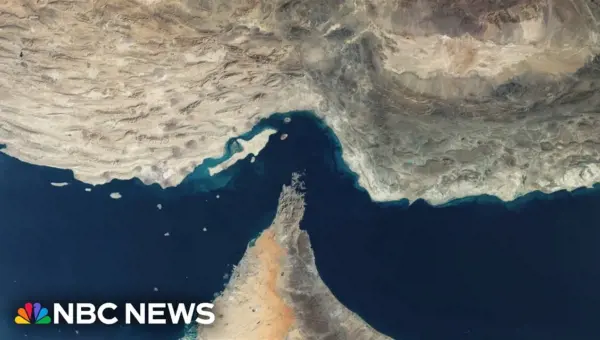
The failure of the peace talks had an even more immediate and dramatic effect on oil prices. Crude oil markets reacted strongly, pushing prices back above the significant $100 per barrel mark. This surge came as the U.S. Navy announced preparations to blockade shipping traffic in and out of Iranian ports. The Strait of Hormuz, a vital waterway for global oil transport, became a focal point of these rising tensions. Brent crude, a major international oil benchmark, jumped nearly 7% to trade just above $101 per barrel. U.S. crude oil prices followed suit, rising more than 7% to trade above $103 per barrel. This rapid increase highlights the critical role of geopolitical stability in energy markets.
President Warns of Lingering High Energy Costs
The potential for sustained high energy prices was a significant concern voiced by President Trump. He issued a warning that both oil and natural gas costs could remain elevated. This elevated pricing is projected to persist at least through the upcoming midterm elections in November. Such a scenario could have far-reaching economic consequences for consumers and businesses alike, potentially influencing voter sentiment. The connection between global events and everyday costs is clear.
Historical Context: Oil and Geopolitics
The relationship between oil prices and international conflict is a long and well-documented one. Throughout history, major geopolitical events, particularly those involving oil-producing regions like the Middle East, have often led to significant price fluctuations. The Strait of Hormuz, for instance, has been a flashpoint for decades, given its strategic importance. When tensions rise in this region, or when supply routes are threatened, global markets instinctively price in the risk. This often translates to higher prices at the pump and for industrial energy use. The current situation echoes past events where instability in the Persian Gulf has directly impacted global energy economics, affecting everything from transportation costs to manufacturing expenses.
Why This Matters
The immediate market reaction and the surge in oil prices are more than just financial news; they represent tangible impacts on the global economy. Higher oil prices act like a tax on consumers, reducing their disposable income and potentially slowing down spending. For businesses, increased energy costs can squeeze profit margins and lead to higher prices for goods and services. This can contribute to broader inflation concerns. Furthermore, the failure of peace talks signals a continuation of instability, which can deter investment and create uncertainty. The interconnectedness of global politics and economics means that events in one region can quickly ripple outwards, affecting nations and individuals far from the original source of tension. The price of oil is a key indicator of global economic health and stability.
Implications, Trends, and Future Outlook
The failed peace talks and subsequent market jitters suggest a period of increased volatility may be ahead. Investors and businesses will likely be watching diplomatic developments very closely. The trend towards energy independence in some nations might be accelerated as countries seek to reduce their reliance on potentially unstable supply chains. However, for the immediate future, the market appears braced for continued high energy costs. The President’s warning about prices lasting through the elections indicates a potential political dimension to the economic fallout. Looking ahead, any de-escalation in tensions could lead to a swift drop in oil prices, while further conflict or increased blockades would likely push them even higher. The situation remains fluid, with diplomatic efforts and naval actions playing out in real-time.
Source: Markets, Oil React to Failed Iran Peace Talks (YouTube)

Related Articles

US Blocks Iranian Ports Amid Tensions; Stocks Rally
Tensions rise as the US implements a blockade on Iranian ports, drawing strong criticism from China and accusations of piracy from Iran. Global markets react with fluctuating oil prices and a resilient stock market. Meanwhile, domestic politics sees resignations amidst misconduct allegations and ongoing debates over government funding and war powers.


Iran’s Secret Subs Threaten Strait of Hormuz
Iran has reportedly deployed its secret Ghadir-class submarines into the Strait of Hormuz, raising fears of attacks on shipping. The U.S. has vowed to sink these vessels if they pose a threat. This move escalates regional tensions amid stalled nuclear talks and ongoing conflicts.
Markets Defy War Fears as Oil Prices Fluctuate
Wall Street rallied and erased Iran war losses as oil prices fluctuated near $100 a barrel. Despite market gains, Americans face higher gas prices, with a U.S. blockade of the Strait of Hormuz potentially worsening inflation. The Producer Price Index report is closely watched for future inflation signals.