Netanyahu’s ‘Never Again’ Vow Echoes Past and Present Threats
Israeli Prime Minister Benjamin Netanyahu met with Holocaust survivors, vowing 'never again' as he drew parallels between past atrocities and current threats. He highlighted Israel's military strength and international alliances as crucial safeguards against annihilation.

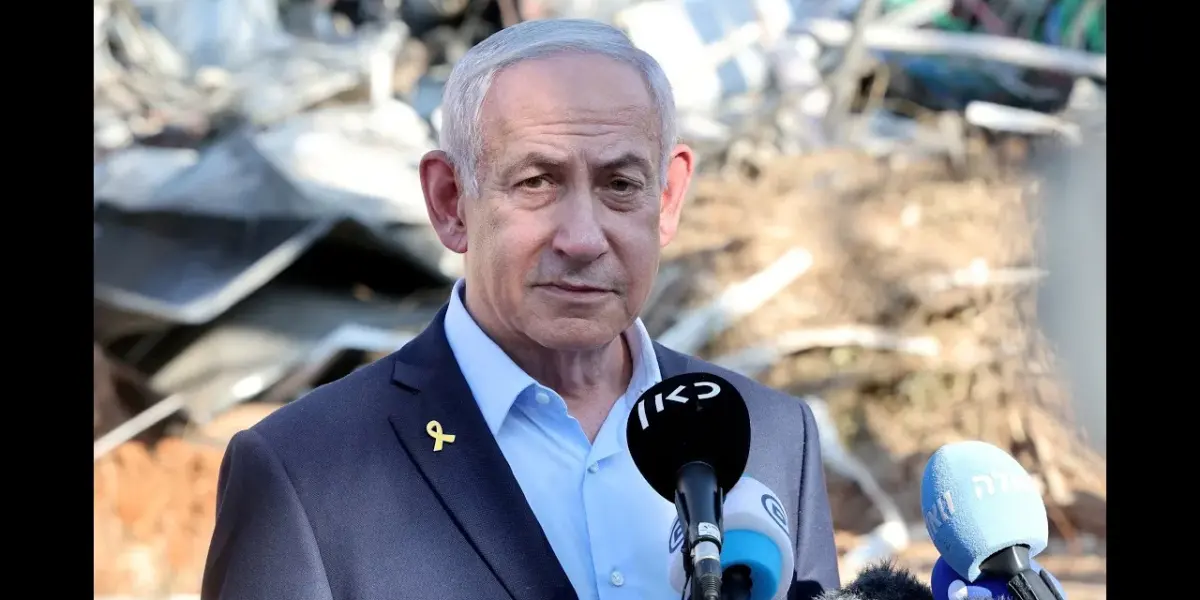
Netanyahu Honors Holocaust Survivors, Cites Modern-Day Threats
Israeli Prime Minister Benjamin Netanyahu recently met with Holocaust survivors as Israel prepared for its annual day of remembrance. This meeting, held just before the solemn occasion, carried significant weight. Netanyahu spoke powerfully, vowing that the horrors of the past would never be repeated.
During his address, Netanyahu emphasized Israel’s current military strength as a stark contrast to the vulnerability of European Jews during the Holocaust. He stated that Israel is actively pursuing its enemies and has thwarted plans by the Iranian regime. These plans, he explained, aimed at the annihilation of Israel. The Prime Minister drew a parallel between past threats and present dangers, highlighting Israel’s growing international alliances.
A New Era of Strength and Alliances
Netanyahu reflected on how unimaginable it would have been just 80 years ago for Israeli pilots to fly over Iran. He noted that these pilots were not only over Iranian skies but were flying alongside the world’s greatest powers. This imagery served to underscore Israel’s current standing and its ability to project power and forge strong international partnerships. The message was clear: Israel today is not the defenseless community of the past.
The Prime Minister directly addressed the survivors, acknowledging their lived experiences. He stressed that Israel’s military might represents a fundamental shift from the helplessness felt during the Holocaust. His repeated vow, ‘never again,’ was a direct promise to ensure such a tragedy could never befall the Jewish people again. This commitment resonated deeply, especially coming from a leader whose nation was founded in the wake of that immense loss.
Survivor’s Support and National Reflection
One of the Holocaust survivors present shared a touching detail. He conveyed that members of his synagogue community had asked him to express their support for the Prime Minister. This gesture indicated a sense of solidarity and shared purpose between the survivors and the current leadership. It showed that the legacy of the Holocaust continues to shape present-day concerns and political sentiments in Israel.
The meeting was part of a broader series of events across Israel commemorating Holocaust Remembrance Day. This national day is marked by solemn ceremonies, deeply personal survivor testimonies, and moments of nationwide silence. These observances are crucial for remembering the victims, educating future generations, and reinforcing the commitment to preventing genocide.
Why This Matters
Netanyahu’s remarks connect the historical trauma of the Holocaust to contemporary geopolitical challenges. By invoking the phrase ‘never again,’ he is not just remembering the past; he is issuing a warning about present-day threats. This framing suggests that the lessons of the Holocaust are directly applicable to current international relations, particularly concerning Iran’s nuclear ambitions and regional influence.
The Prime Minister’s focus on military strength and international alliances highlights a key aspect of Israel’s national identity. The nation sees itself as a bulwark against antisemitism and a guarantor of Jewish security. The memory of the Holocaust fuels this drive for self-preservation and a proactive defense strategy. It also underscores the importance of international cooperation in combating state-sponsored hatred and violence.
Historical Context and Future Outlook
The Holocaust, the systematic, state-sponsored persecution and murder of six million Jews by the Nazi regime and its collaborators, remains a defining event of the 20th century. Its legacy continues to influence global politics, international law, and human rights discourse. The establishment of Israel itself is often seen as a direct consequence of the need for a Jewish homeland following the atrocities of the Holocaust.
Netanyahu’s speech reflects a recurring theme in Israeli politics: the idea that the world must remain vigilant against antisemitism and threats to Jewish existence. The mention of flying with ‘the greatest power in the world’ hints at evolving diplomatic and military relationships. As global dynamics shift, Israel consistently seeks to strengthen its security through alliances and a formidable defense capability. The future outlook suggests a continued emphasis on deterrence and international partnerships to ensure the safety and sovereignty of the nation.
Source: Israel's Netanyahu Meets Holocaust Survivors, Vows 'Never Again' (YouTube)

Related Articles


US Blocks Iranian Ports Amid Tensions; Stocks Rally
Tensions rise as the US implements a blockade on Iranian ports, drawing strong criticism from China and accusations of piracy from Iran. Global markets react with fluctuating oil prices and a resilient stock market. Meanwhile, domestic politics sees resignations amidst misconduct allegations and ongoing debates over government funding and war powers.


Iran’s Secret Subs Threaten Strait of Hormuz
Iran has reportedly deployed its secret Ghadir-class submarines into the Strait of Hormuz, raising fears of attacks on shipping. The U.S. has vowed to sink these vessels if they pose a threat. This move escalates regional tensions amid stalled nuclear talks and ongoing conflicts.


Israel, Lebanon Hold Rare Talks in US on Ceasefire
Rare diplomatic talks between Israel and Lebanon took place in Washington D.C., hosted by the U.S. Secretary of State. The negotiations aimed to secure a ceasefire and explore peace, but faced challenges due to conflicting priorities and Hezbollah's refusal to abide by any potential agreement.