Trump’s Jesus Meme: A Disturbing Sign of Ego Gone Wild
Donald Trump's deleted Jesus-themed meme, featuring a figure resembling Jeffrey Epstein and devils, sparked outrage and regret among supporters and critics alike. The incident raises questions about ego, judgment, and the use of religious imagery in politics.

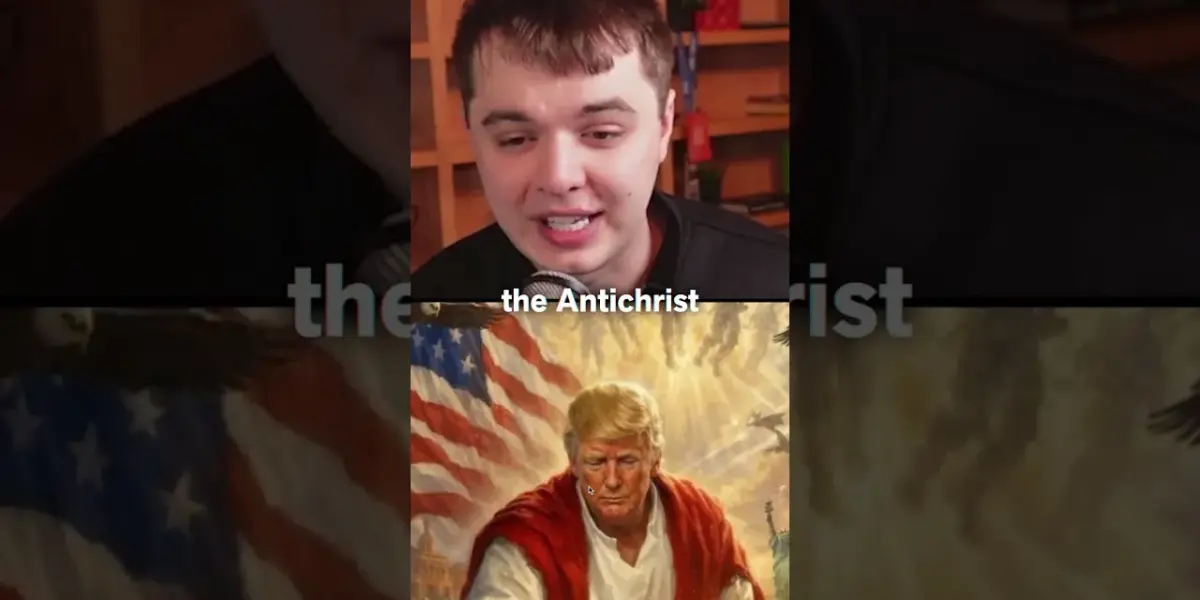
Trump’s Jesus Meme: A Disturbing Sign of Ego Gone Wild
Donald Trump recently posted a bizarre image on social media, then quickly deleted it. The picture showed him portrayed as Jesus, healing a sick person. This person in the image bore a striking resemblance to Jeffrey Epstein.
Adding to the strangeness, three devils appeared behind the figure, while angels were present in an earlier version of the meme. Someone’s decision to add devil wings to the image suggests a very different interpretation of Trump’s role.
This meme sparked immediate backlash and confusion among many observers. One person commented directly, urging Trump to take it down. They stated, “You are not Jesus.” The commenter also pointed out that even if this wasn’t the intended message, the image was a poor choice.
They suggested firing any staffer responsible and issuing an apology. If no staffer was involved, the implication was that Trump himself was mocking religious figures.
Widespread Disappointment and Concern
The reaction online was swift and largely negative. Many who had previously supported Trump expressed deep regret over their votes. “I deeply regret voting for you.
Many people do,” read one strong comment. Critics questioned Trump’s ego, suggesting it prevented him from seeing how bad the image looked. Others went further, questioning his mental state and even suggesting the 25th Amendment, which deals with presidential disability.
Some supporters felt the meme represented the end of the MAGA movement. One comment declared, “MAGA is dead.” Another expressed a feeling of betrayal, stating, “You think you’re God, but the truth is you’re possessed.” The act was widely described as sacrilegious, preposterous, and an example of idolatry, pride, and false worship. The overall sentiment was that the image was “absolutely terrible” and showed a disturbing level of self-regard.
Historical Context of Messianic Imagery
Throughout history, political leaders have sometimes used religious imagery to strengthen their authority. This can be a powerful tool to connect with voters on an emotional and spiritual level. However, it carries significant risks.
When leaders present themselves as divine or chosen, it can alienate those who do not share their beliefs or who see it as a sign of arrogance. The line between inspiring devotion and demanding worship is a fine one.
In some political contexts, leaders have been compared to religious figures, sometimes by their followers. This is often done to emphasize their perceived strength, righteousness, or divine mandate.
However, when a leader appears to embrace or encourage such comparisons themselves, it can be seen as a dangerous sign of ego. This is especially true when the imagery is controversial or potentially offensive to religious sensibilities.
Why This Matters
This incident highlights a recurring theme in Trump’s public life: his relationship with imagery and perception. The quick deletion of the meme suggests an awareness, perhaps belated, that it crossed a line.
However, the fact that it was posted at all raises serious questions about judgment and the advice he receives. For his supporters, such displays can be interpreted in various ways, from a sign of divine favor to a moment of profound misjudgment.
For critics, this meme is further evidence of what they see as Trump’s narcissistic tendencies and a disregard for religious norms. It fuels arguments that he views himself as above reproach, even above divine figures. The comparison to Epstein and the devils adds another disturbing layer, hinting at darker interpretations of his influence or associations.
Implications and Future Outlook
The long-term impact of such an event is hard to predict. It could further solidify the views of his staunchest supporters while deepening the opposition of others.
For undecided voters, it might simply add to a perception of chaos or poor judgment surrounding his brand of politics. The incident is a potent reminder of how political messaging can intersect with deeply held beliefs, sometimes with explosive results.
Moving forward, it will be interesting to see if this event leads to any changes in how Trump’s team manages his social media. Will there be a greater emphasis on vetting imagery?
Or will such controversial posts continue to be a part of his communication strategy? Regardless, this meme has become another talking point in the ongoing discussion about Trump’s unique brand of political leadership and its effect on public discourse.
Source: Trump Posted This… Then Deleted It #politics #fyp #new (YouTube)

Related Articles

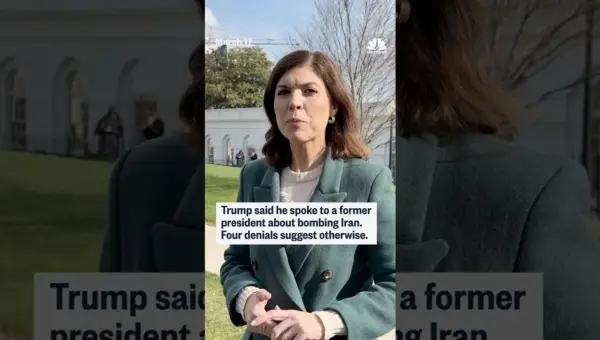
Trump Claims Presidential Call; Four Denials Emerge
Former President Donald Trump claimed he spoke with a past president who regretted not taking a certain action, implying approval of his own policies. However, aides for George W. Bush, Bill Clinton, Barack Obama, and sources close to Joe Biden have all denied any such conversations occurred. Trump has remained evasive when asked to identify the individual.
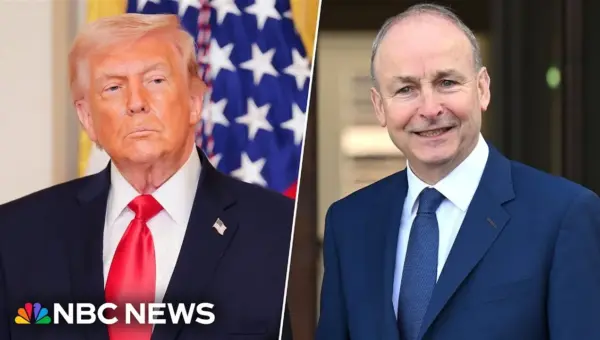
Trump Welcomes Irish Leader, Discusses Trade, Iran Tensions
President Trump welcomed Ireland's Taoiseach to the White House, discussing trade and the strong historical ties between the nations. The meeting also covered President Trump's views on Iran's military capabilities, his criticisms of NATO's support for U.S. initiatives, and upcoming foreign policy engagements.
Trump Reveals Congressman’s Terminal Diagnosis Amid Health Plea
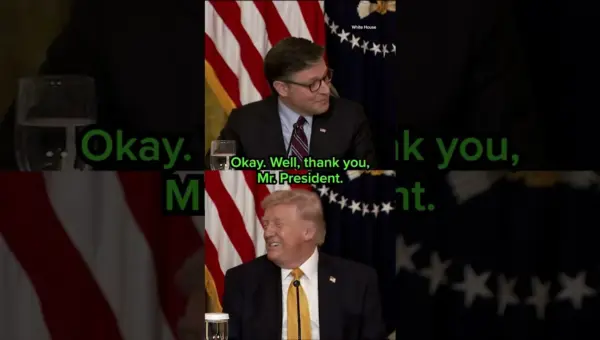
Former President Donald Trump revealed that U.S. Representative Neal Dunn has a "terminal" heart condition. Trump stated he and Speaker Mike Johnson urged Dunn to stay in Congress despite the diagnosis. Dunn had previously announced he would not seek re-election, without specifying his health issues.