Hungary Ousts Putin Ally, Shifting EU-Russia Dynamics
Hungary has elected a new prime minister, signaling a significant geopolitical shift away from its close ties with Moscow. The departure of Viktor Orbán's pro-Russian government is seen as a major setback for Russian influence in Europe. The new leadership is expected to align more closely with EU and NATO policies concerning Russia and Ukraine.

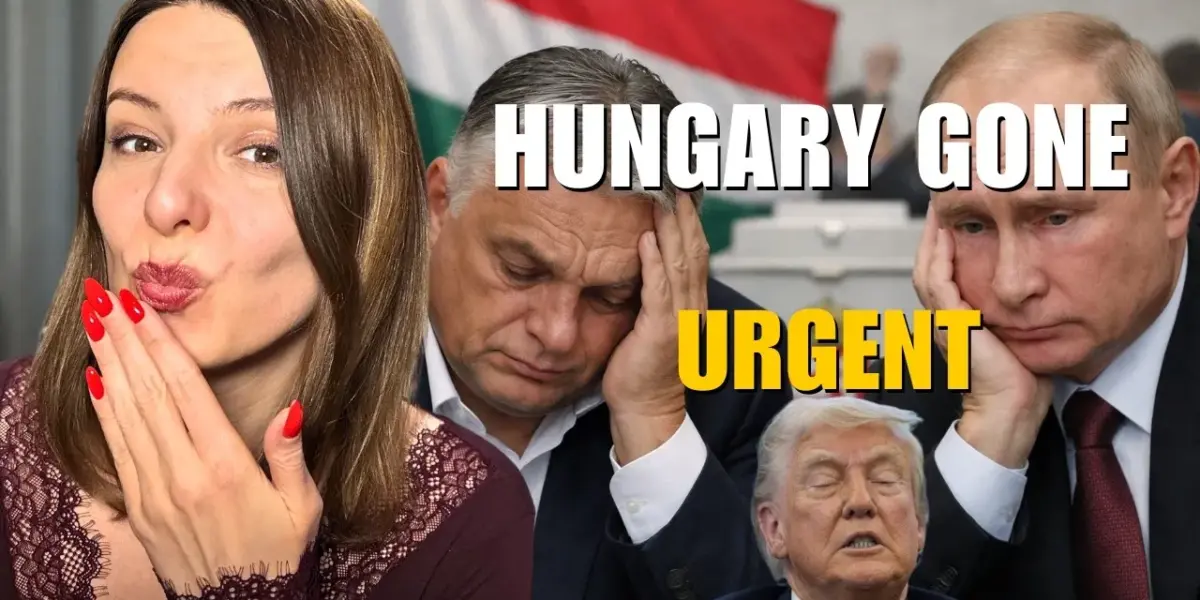
Hungary Ousts Putin Ally, Shifting EU-Russia Dynamics
Hungary has elected a new prime minister, marking a significant geopolitical shift away from its close ties with Moscow. The change in leadership signals a potential realignment for Hungary within the European Union and NATO. This development is seen as a major setback for Russian influence in Europe. The previous government, led by Viktor Orbán and Foreign Minister Péter Szijjártó, had consistently aligned with Kremlin policies. Their departure from office represents a significant defeat for Russia’s strategic objectives in the region.
Orbán’s Pro-Russian Stance
For years, Viktor Orbán’s government was a vocal proponent of Russian interests within the EU. Orbán and Szijjártó were accused of actively working against Ukraine’s defense efforts and its integration into the European Union. They allegedly facilitated Moscow’s agenda by attempting to weaken sanctions against Russia and providing sensitive information. These actions, according to reports, were directly dictated by Russian officials like Sergey Lavrov.
Orbán, who initially rose to power as an anti-communist leader, gradually shifted his stance. His government’s policies increasingly favored Moscow, especially during Russia’s full-scale invasion of Ukraine. Critics argue that Orbán prioritized maintaining his regime over the interests of his own people and European security. His government’s approach was characterized by aggressive pro-Russian narratives and a denial of Russia’s role as the aggressor in the conflict.
Allegations of Secret Dealings
Sensational reports emerged just before the recent Hungarian elections, including audio recordings. These recordings allegedly proved direct communication between Orbán and Vladimir Putin. Orbán reportedly described Putin as a “lion” and Hungary and himself as a “mouse” prepared to help the Russian leader. This comparison drew sharp criticism, with many deeming it inappropriate to equate a war criminal with a noble animal.
Furthermore, Foreign Minister Péter Szijjártó is accused of sharing classified documents with Moscow. These documents allegedly aided Russia in hindering Ukraine’s progress toward EU membership. Szijjártó is also reported to have communicated directly with Russian Foreign Minister Lavrov, coordinating efforts to block Ukrainian advancement. These alleged actions highlight a deep level of cooperation between the former Hungarian government and the Kremlin.
New Leadership and Future Direction
The election results indicate a significant loss for Orbán’s party. Péter Magyar, the newly elected prime minister, secured a constitutional majority. While Magyar has stated that his government might not offer unconditional support to Ukraine, he has affirmed a clear departure from Orbán’s pro-Kremlin policies. Crucially, Magyar has pledged not to obstruct European Union support for Ukraine.
Magyar has also acknowledged Ukraine as the victim of the current war, a statement considered a significant change from previous Hungarian government positions. This shift suggests a more aligned approach with other EU and NATO members regarding the conflict. The new government’s stance is expected to foster a more unified European response to Russian aggression.
Broader Geopolitical Impact
The ousting of Orbán’s government is viewed as a major defeat for Russia, which had relied on Hungary as a key ally within the EU. Moscow had invested considerable effort, including alleged cyber operations and influence campaigns, to support Orbán’s administration. The election outcome demonstrates that such efforts may not always guarantee desired results.
The situation in Hungary also highlights concerns about foreign interference in democratic processes. Reports of external actors, including individuals from the United States, supporting Orbán’s campaign have raised questions about international political involvement. The perceived failure of these external efforts underscores the independent decision-making of Hungarian voters.
Strategic Implications
The change in Hungary’s leadership has immediate strategic implications for the European Union and NATO. It removes a significant obstacle to unified action on issues concerning Russia and Ukraine. The EU may now find it easier to implement and maintain strong policies against Moscow, including sanctions and financial aid to Kyiv.
For Ukraine, this development offers a renewed sense of hope for stronger international backing. While the new Hungarian government’s exact level of support remains to be seen, its fundamental shift away from pro-Russian policies is a positive sign. It suggests a more predictable and supportive partner within a crucial European alliance.
Historical Parallels
The situation in Hungary echoes historical instances where leaders, seeking to maintain power, have turned to authoritarian regimes for support. Orbán’s transition from an anti-communist figure to an ally of Moscow illustrates how political motivations can override initial ideological stances. This phenomenon is not unique to Hungary and has been observed in various geopolitical contexts throughout history.
The narrative of a small nation aligning itself with a larger power, as described by the “mouse and lion” analogy, also has historical precedents. However, the context of a democratic nation aligning with an aggressive authoritarian state presents a complex and concerning parallel. It underscores the challenges of maintaining national sovereignty and democratic values in the face of external pressures.
Conclusion
The recent elections in Hungary represent a significant victory for democratic forces within the country and a notable setback for Russian influence in Europe. The departure of Viktor Orbán’s government marks a turning point, potentially strengthening the European Union’s resolve against Russian aggression. While the full impact of this change will unfold over time, it offers a more optimistic outlook for Ukraine and for the collective security of the continent.
Source: KREMLIN IN SHOCK: PUTIN LOST HUNGARY Vlog 1378: War in Ukraine (YouTube)

Related Articles

China Backs US Blockade, Squeezing Iran’s Oil Lifeline
China's backing of a U.S. naval blockade is effectively cutting off Iran's oil exports. This move aims to pressure Iran into negotiations but carries significant political risks for the U.S. president, especially with high gas prices impacting voters.
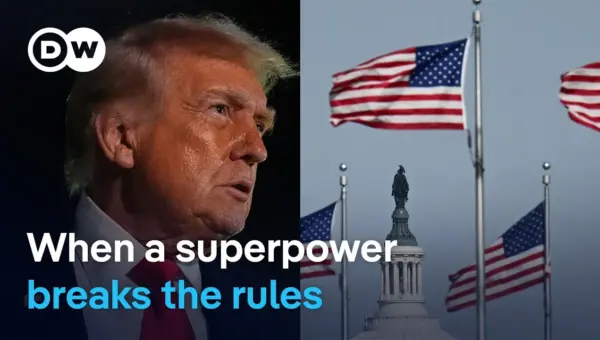
US Actions Abroad Questioned: Rogue State Behavior Alleged
Harvard professor Stephen Walt argues the U.S. is acting like a "rogue state" due to impulsive foreign policy, questionable war planning, and a disregard for international norms. The conflict with Iran highlights limitations in American power, leading allies to question U.S. judgment and seek more stable global partners.
US-Iran Peace Talks Stall; Gap ‘Wider Than Strait of Hormuz’
Peace talks between the U.S. and Iran remain stalled, with a significant gap described as 'wider than the Strait of Hormuz.' Despite White House optimism about ending the conflict and lowering gas prices, public opinion shows weariness and concern over the war's economic toll. International diplomatic efforts continue, but major hurdles persist in resolving key issues.