Lightning Strikes Apollo 12: A Near Disaster and a New Protocol
Apollo 12's launch in 1969 was nearly thwarted by two lightning strikes. A quick thinking ground controller's 'SCE to AUX' command saved the mission and revolutionized rocket launch safety protocols.

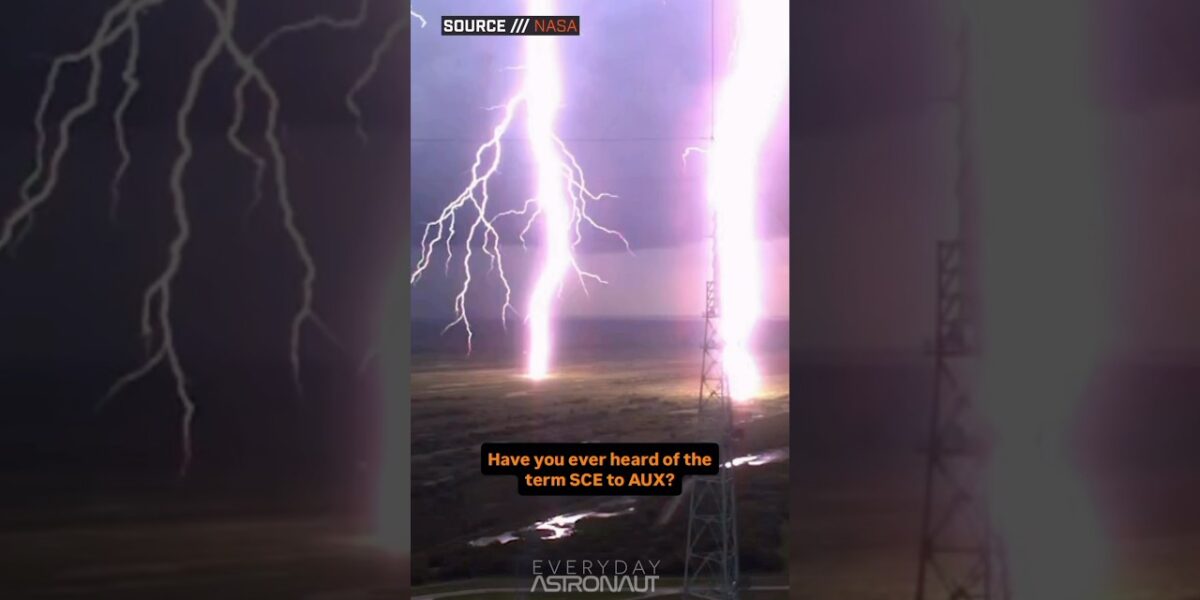
Apollo 12’s Fiery Encounter: How Lightning Reshaped Rocket Launches
The roar of a rocket engine, the majestic ascent into the inky blackness of space – these are images synonymous with human ambition. Yet, beneath the spectacle lies a realm of meticulous planning and constant vigilance against the unpredictable forces of nature.
Among the most formidable of these is lightning. For the Apollo program, this celestial adversary nearly ended one of its most ambitious missions in a catastrophic failure, but instead, it birthed a critical operational procedure that continues to influence space launches today.
A Double Strike of Misfortune
On November 14th, 1969, Apollo 12, humanity’s second crewed mission to the Moon, lifted off from Kennedy Space Center. Aboard were astronauts Charles “Pete” Conrad Jr., Richard F. Gordon Jr., and Alan L.
Bean. The Saturn V rocket, a colossus of engineering standing 363 feet tall, began its fiery ascent.
However, just 36 seconds after liftoff, at an altitude of approximately 6,400 feet, disaster struck. The massive rocket was hit by lightning, not once, but twice.
The immediate consequence was chaos within the Command Module, the nerve center of the mission. The electrical disturbances from the lightning strikes overloaded sensitive instruments, causing a cascade of malfunctions. Warning lights flashed across the control panel, painting a grim picture of system failures.
The astronauts, trained for countless scenarios, found themselves in an unprecedented crisis. The mission, and indeed their lives, hung precariously in the balance.
The ‘SCE to AUX’ Lifeline
In the heart of the crisis, a calm voice from mission control recognized the unfolding disaster. John Aaron, a systems engineer on the ground, had a profound understanding of the Apollo systems, honed through rigorous simulations and an intimate knowledge of potential failure modes.
He recalled a specific simulation that mirrored the exact pattern of data failures now flashing on the astronauts’ screens. The problem wasn’t a critical system breakdown, but a disruption in the signal conditioning equipment.
Aaron’s quick thinking led him to propose a seemingly simple, yet profoundly effective, solution: “Try to set the,” he relayed, “SCE to AUX.” This cryptic instruction referred to the Signal Conditioning Equipment (SCE) power switch. The normal operational setting was ‘ON,’ but Aaron suggested moving it to the ‘AUX’ (auxiliary) position. This action would reroute power for the SCE to a secondary source, bypassing the corrupted primary circuit.
Astronaut Alan Bean, the Lunar Module Pilot, understood the instruction and executed the maneuver. He reached for the switch, located on the instrument panel, and moved it from its normal position to auxiliary.
Within moments, the chaotic flashing lights subsided. The critical telemetry data began to flow correctly again, and the Apollo 12 mission was back on track.
A Legacy of Innovation Born from Crisis
The ‘SCE to AUX’ command became an instant legend within NASA. It was proof of the power of human ingenuity, preparedness, and the crucial synergy between ground control and the flight crew.
This incident highlighted a vulnerability in rocket launch procedures and the electrical systems that had not been fully anticipated. While lightning had always been a concern, its direct impact on the sensitive electronics of a spacecraft during ascent had been underestimated.
The Apollo 12 event underscored the necessity for robust contingency plans and the importance of crew training that extended beyond theoretical scenarios to practical, real-time problem-solving. It demonstrated that even with the most advanced technology, the human element – the ability to observe, analyze, and act decisively under pressure – remains paramount.
Broader Implications for Space Exploration
The lessons learned from Apollo 12 have had a lasting impact on space launch operations. Rocket launch sites are now equipped with sophisticated weather monitoring systems, including lightning detection and prediction technologies.
Launch windows are carefully selected to avoid periods of high electrical activity. Spacecraft and launch vehicle designs have evolved to incorporate enhanced electrical shielding and redundant power systems.
The ‘SCE to AUX’ procedure itself, or variations thereof, has been integrated into the operational checklists for subsequent missions. It is a powerful reminder that space exploration is a continuous process of learning and adaptation. Each mission, whether a success or a near-failure, contributes invaluable knowledge that paves the way for future endeavors.
Looking Ahead: The Future of Resilient Spaceflight
As humanity ventures further into space, aiming for Mars and beyond, the challenges of launch will only intensify. The need for resilient systems capable of withstanding extreme environmental conditions, including atmospheric phenomena like lightning, is critical. Missions to other planets may face entirely alien weather systems, demanding even greater foresight and adaptability.
The story of Apollo 12 and the ‘SCE to AUX’ command is more than just a historical anecdote; it is a foundational chapter in the ongoing saga of spaceflight. It illustrates how overcoming adversity, even in the face of overwhelming odds, can lead to significant advancements. It is a narrative that inspires awe not just for the destination, but for the incredible journey of human innovation required to reach for the stars.
Source: SCE to AUX from Apollo changed how we launched rockets. (YouTube)

Related Articles
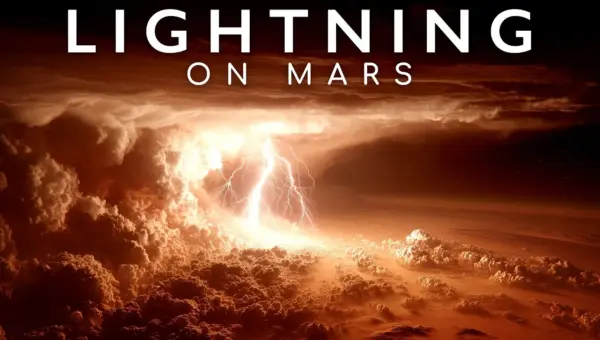
Mars Rover Detects Mysterious Lightning Signals
NASA's Perseverance rover has detected mysterious crackling sounds, providing the first tantalizing evidence of lightning on Mars. This discovery, along with a faint whistler wave detected by the MAVEN spacecraft, suggests that electrical discharges occur in Martian dust storms, impacting atmospheric chemistry and posing new challenges for future human exploration.
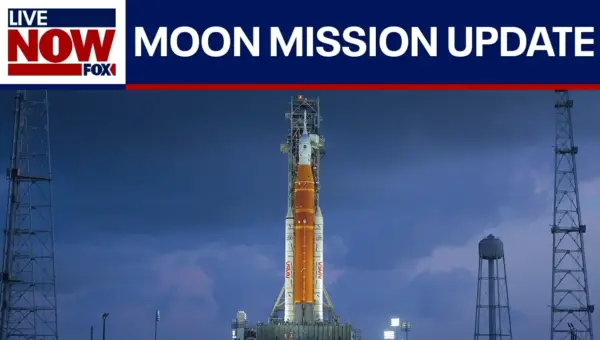
NASA Prepares for Moon Mission Launch Amidst Weather Watch
NASA is nearing a critical launch window for its upcoming moon mission, with teams working through final preparations and safety checks. Meteorologists are closely monitoring weather conditions, which currently show an 80% chance of a 'go' for liftoff, though isolated showers remain a possibility. The mission marks a significant step in humanity's return to lunar exploration.
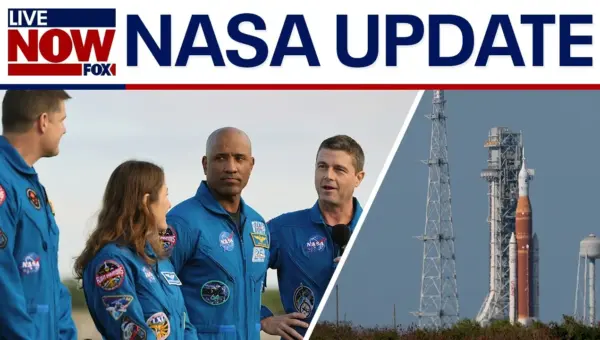
Artemis II Lunar Mission Nears Launch: All Systems Go
NASA's Artemis II mission is poised for launch, with all systems confirmed ready for the historic crewed flight to the Moon. The crew, rocket, spacecraft, and ground teams are all reporting 'go' as favorable weather is forecast for Wednesday's launch attempt. This mission marks humanity's return to deep space exploration after more than 50 years.