Automotive Icons: The Cars That Defined an Era
From the dawn of the luxury SUV to the electric revolution, discover the cars that have most profoundly shaped the automotive world over the last three decades. These icons redefined segments and pushed the boundaries of what was possible.

The Last 30 Years: A Revolution on Wheels
The automotive landscape is constantly evolving, but certain vehicles don’t just participate in this evolution – they define it. Over the past three decades, a select group of cars has not only captured the public’s imagination but fundamentally reshaped segments, challenged conventions, and set new benchmarks for performance, luxury, and technology. From the birth of entire vehicle categories to the dawn of electric mobility, these are the machines that matter most.
The Luxury SUV Revolution: Navigator, Escalade, and Cayenne
Before the turn of the millennium, the idea of a large, luxurious SUV was largely confined to concepts. That changed dramatically with the arrival of the 1998 Lincoln Navigator. This behemoth didn’t just offer space and comfort; it single-handedly created the full-size luxury SUV segment. It was a bold statement, blending truck-like capability with premium appointments, and it resonated deeply with buyers seeking opulence and utility. Not content to let Lincoln have all the glory, Cadillac followed swiftly with the 1999 Escalade. While initially based on the GMT400 platform shared with Chevrolet and GMC, the Escalade quickly distinguished itself with its more aggressive styling and upscale interior, refining the luxury SUV formula and intensifying the competition.
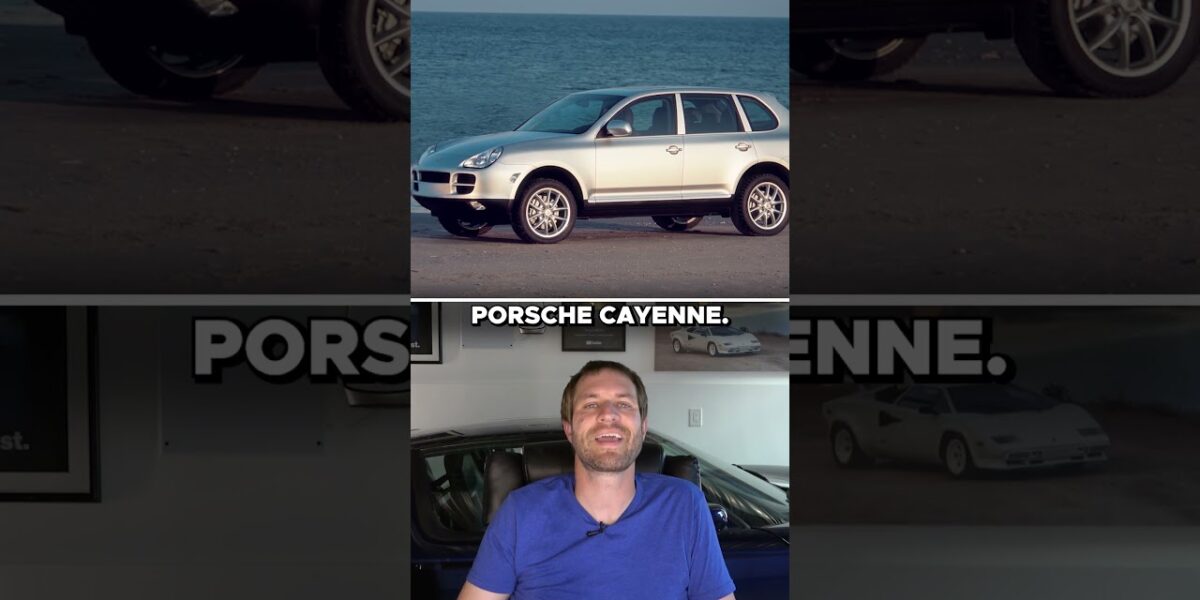
The luxury SUV trend wasn’t limited to American shores. In 2003, Porsche, a brand synonymous with high-performance sports cars, stunned the automotive world with the Cayenne. This was more than just an SUV; it was a Porsche SUV. The Cayenne proved that even the most revered sports car manufacturers could successfully venture into the utility vehicle space, delivering the brand’s signature driving dynamics and build quality in a more practical package. It opened the floodgates, demonstrating that performance and practicality weren’t mutually exclusive, even at the highest echelons of the market.
Resurgence of the Muscle Car and the Rise of the Midsize Luxury SUV
The muscle car era seemed like a distant memory by the early 2000s, but the Ford Mustang breathed new life into the segment in 2005. The fifth-generation Mustang wasn’t just a retro-styled throwback; it was a thoroughly modern interpretation of the classic pony car. With its aggressive styling, potent V8 engines, and engaging driving dynamics, the 2005 Mustang proved that the spirit of the muscle car was alive and well, reigniting passion for American performance and paving the way for competitors to follow suit.
Simultaneously, the midsize luxury SUV segment was taking shape. The 1998 Mercedes-Benz ML320 was the trailblazer, establishing the template for a more car-like, refined, and maneuverable luxury SUV compared to its larger counterparts. It offered a blend of comfort, safety, and brand prestige that appealed to a broader audience. Lexus, a brand already adept at luxury, refined this formula with the 1999 RX300. The RX300 emphasized a smoother ride, a more sophisticated interior, and the reliability that Lexus customers had come to expect, quickly becoming a benchmark for the segment and a dominant force in luxury crossover sales.
The Hybrid Revolution and the Electric Future: Prius and Model S
Perhaps no vehicle has had a more profound impact on changing public perception of automotive technology than the Toyota Prius. The 2003 model, in particular, solidified the hybrid concept in the minds of consumers worldwide. It demonstrated that hybrid technology wasn’t just a niche experiment but a viable, scalable solution for fuel efficiency. The Prius became a symbol of environmental consciousness and technological advancement, proving that practical, everyday cars could incorporate groundbreaking powertrains without significant compromises in usability or reliability.
If the Prius changed our perception of efficiency, the 2012 Tesla Model S utterly revolutionized our view of electric vehicles. Tesla’s groundbreaking sedan didn’t just prove that EVs could be practical; it made them desirable, exciting, and aspirational. With its blistering performance, long electric range, cutting-edge technology, and luxurious appointments, the Model S shattered preconceived notions about electric cars being slow, utilitarian, or compromised. It ushered in an era where EVs could appeal to enthusiasts and luxury buyers alike, setting a new standard for the entire automotive industry and accelerating the transition to electrification.
The Enthusiast’s Choice: Audi R8
While many cars on this list redefined segments or introduced new technologies, the Audi R8, debuting in the mid-2000s, arrived as a masterclass in creating a perfect storm of desirability. It wasn’t merely a new sports car; it was a halo vehicle that elevated the Audi brand. Its exotic styling, mid-engine layout, and available V8 and later V10 engines delivered supercar-levels of performance and an intoxicating driving experience. The R8 captured the imagination of enthusiasts, offering a blend of everyday usability and thrilling performance that few rivals could match. Its success wasn’t just about sales; it was about perception, cementing Audi’s position as a serious player in the performance car arena and inspiring a generation of automotive enthusiasts.
Conclusion: A Legacy of Innovation
These vehicles represent more than just metal, rubber, and glass. They are testaments to innovation, design, and the relentless pursuit of automotive excellence. From the foundational luxury SUVs to the groundbreaking electric sedans and the resurgence of American muscle, each has left an indelible mark on the industry, influencing the cars we drive today and shaping the future of mobility.
Source: Ranking the Most Important Cars of the Last 30 Years (YouTube)

Related Articles


Chinese Brands Storm UK Market, Shaking Up Auto Industry
Chinese EV manufacturers like BYD and Chery Group are rapidly taking market share in the UK, outperforming established brands and challenging traditional perceptions. Their aggressive marketing and competitive products are reshaping the automotive landscape.


Porsche Patents a Manual for Electric Cars
Porsche has filed a patent for a manual transmission system designed for electric vehicles. This innovative system would allow drivers to choose between automatic mode and a traditional H-pattern manual shifter, offering an engaging driving experience for EV enthusiasts.

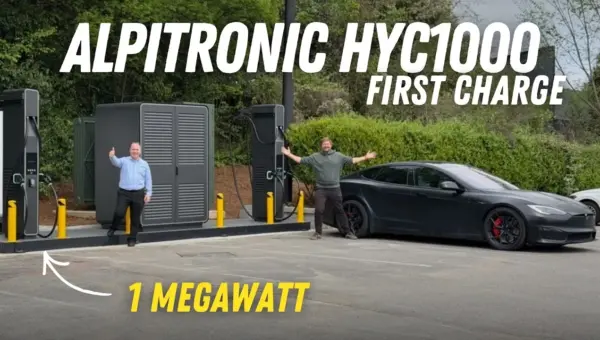
Alpitronic Unveils 1MW Hypercharger 1000 in US
Alpitronic has launched its powerful 1MW Hypercharger 1000 (HYC 1000) system in North America, promising significantly faster EV charging. This split DC fast charger introduces megawatt power, MCS standard support, and a flexible distributed architecture designed for CPOs and fleets.