Influencer’s Dream Trip Ends in Murderous Organ Harvesting
A promising influencer's dream job offer in Thailand led to a horrifying ordeal in a Myanmar scam compound, culminating in her death and suspected organ harvesting. Vera Craftsova's tragic story exposes a vast criminal network exploiting vulnerable individuals.

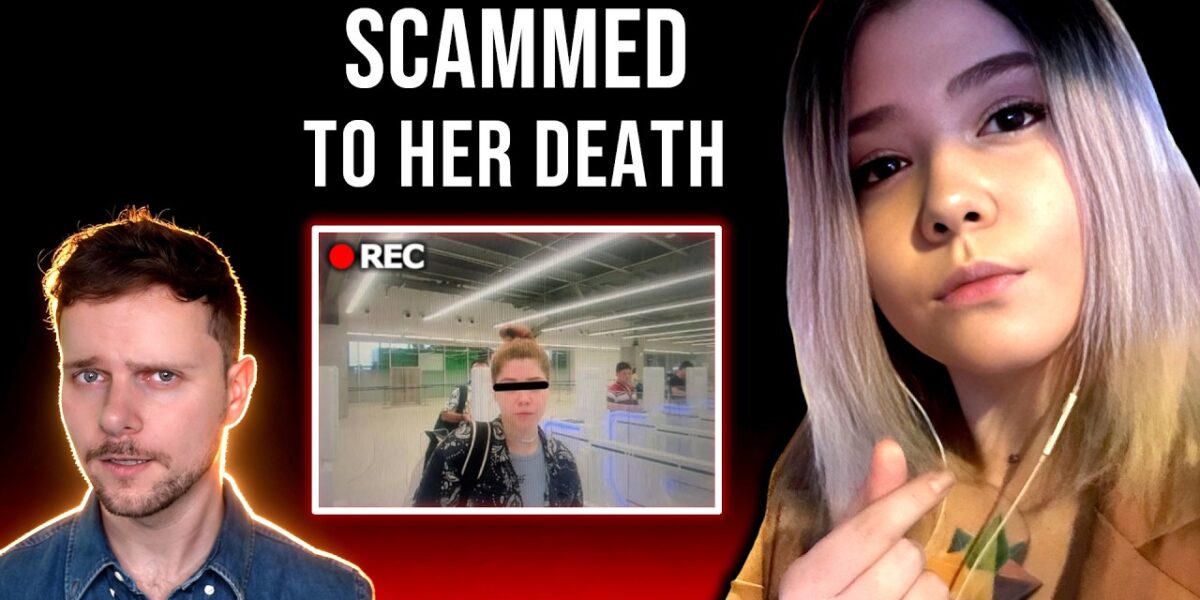
A Dream Turned Nightmare: The Tragic Fate of Vera Craftsova
In the shadowy corners of Southeast Asia, a modern epidemic of deception has ensnared thousands, leading to exploitation, torture, and murder. This is not a crisis born of disease or conflict, but one fueled by insidious human trafficking and sophisticated scam operations. At the heart of this growing crisis lies the story of Vera Craftsova, a bright, ambitious 22-year-old from Belarus, whose quest for a dream career ended in a horrifying reality she would never escape.
The Lure of a Glamorous Opportunity
Vera Craftsova, born on New Year’s Eve in 1998, was a creative soul from Minsk, Belarus. With a passion for art, singing, and music, she found her homeland stiflingly small and yearned for a life beyond its borders.
Her journey took her to St. Petersburg, a cultural hub where she honed her artistic talents, even appearing on the Belarusian version of The Voice. This taste of recognition ignited a desire for wider reach and influence, leading her to build a hybrid lifestyle across Asia, working as an English teacher by day and a club singer by night, all while cultivating a growing presence as an influencer on Instagram.
Her profile painted a picture of a vibrant life: beach sunsets in Da Nang, mirror selfies in tiny apartments, and backstage glimpses of neon-lit karaoke bars. Friends and family described Vera as independent, adventurous, and ambitious, always believing something bigger awaited her. At 26, she seemed on the cusp of achieving it, juggling roles as a model, singer, traveler, and influencer.
It was in this context that an offer landed in her direct messages: a part-time modeling contract in Bangkok, promising exposure, travel, and a significant step up in her career. The offer detailed good pay, a flexible schedule, and professional shoots – precisely the validation Vera craved.
She shared her excitement with friends and family, hinting at exciting things to come. On September 12th, 2025, Vera boarded a flight to Thailand, embarking on what she believed was the beginning of her dream.
A Swift Descent into a Criminal Underworld
Upon arrival in Bangkok, the initial excitement quickly soured. The promised photo shoots and contract signings never materialized.
Instead, Vera found herself in a dingy hotel and was informed she would be flying to another country before any official work could begin. The facade of a modeling job began to crumble, revealing itself as bait for a far more sinister operation.
Around September 20th, authorities believe Vera was persuaded, or perhaps coerced, to cross the border into Myanmar. This marked her entry into a brutal underworld of scam compounds, cyber fraud prisons, and human trafficking hubs that have proliferated across Southeast Asia. These compounds lure victims with legitimate-seeming job offers, only to abduct them, sell them, and force them into labor under constant threat of torture.
Vera’s freedom vanished. Her passport and mobile phone were confiscated, communication with the outside world was severed, and she was placed under constant surveillance.
Her captors, it is believed, weaponized her online persona, forcing her to engage in romance scams and financial fraud, manipulating wealthy men online to funnel money back to the gangs. This was a grotesque perversion of her talents, forcing her to exploit others, the antithesis of the life she had envisioned.
Silence, Fear, and a Ransom Demand
Back home, Vera’s sudden silence began to cause alarm. Her family and friends, along with her online followers, grew increasingly worried. By October 4th, 2025, her phone had gone completely silent.
No replies, no calls, no social media activity. Initially, they rationalized it as bad signal or a busy schedule, but as days turned into a week, their concern morphed into dread.
On October 9th, Vera’s mother filed an urgent missing person report. For weeks, her whereabouts remained unknown. Thai authorities, when informed that Vera had left the country, seemed more focused on shifting blame to Myanmar.
Surveillance footage from Bangkok’s airport, dated September 20th, showed Vera using a self-service immigration channel. Authorities claimed this indicated no signs of coercion, though it remains unclear if she was indirectly forced or persuaded to board that flight. This footage, along with biometric data, confirmed she had left Thailand for Myanmar eight days after her arrival.
Tragically, the silence was broken not by Vera’s return, but by a horrifying letter addressed to her family. A criminal group contacted them, claiming Vera was dead and demanding a ransom of $500,000 for the return of her body. Initially, Thai authorities suspected a further scam, attempting to negotiate with the group in hopes Vera was still alive.
The Horrific Truth and a Wider Crisis
As news of Vera’s disappearance spread, rumors intensified. Social media buzzed with claims of torture, organ harvesting, and enslavement in jungle compounds. While these rumors were often twisted and multiplied, the tragic reality was that they all held elements of truth.
With Vera’s trail ending at the border, the case was handed over to Belarusian diplomats. Myanmar authorities eventually provided a chilling report: a confirmation of Vera’s death. The document stated that Vera Craftsova, a 27-year-old Belarusian citizen, had died of cardiac arrest on October 15th, 2025, in the village of Flu, Myanmar.
Her body, it claimed, was cremated the following day in the village of Incan. This report, signed by the administration of Flu, offered no possibility for an autopsy, leaving Vera’s family bewildered and angry. A perfectly healthy 26-year-old dying of a heart attack and being cremated before notification seemed nonsensical.
As diplomats and detectives delved deeper, a more terrifying narrative emerged. Credible information suggested Vera had been taken to a scam compound in Myanmar’s Kayah State, an area notorious for its guarded scam prisons.
Witness accounts corroborated claims of beatings, overwork, and torture when quotas were not met. Some reports even alleged her captors had dismembered her body to sell her organs on the black market.
By late October, Belarusian officials confirmed Vera’s death. Her journey, intended for a brighter future, had led her into one of Southeast Asia’s most brutal criminal networks.
Vera’s story, while uniquely tragic, is far from isolated. It is a stark exposé of the widespread horror of scam compounds operating in Myanmar and its neighboring countries.
Scam Compounds: Prisons of Deception
These compounds, often disguised as office parks, casino resorts, or gated apartment complexes, are in reality prisons. Inside, thousands are forced to work around the clock, perpetrating fake love messages, investment scams, and fraudulent job offers to unsuspecting victims globally. The workers are not willing employees but captives trapped in modern-day slavery.
The recruitment process is deceptively simple. Gangs target individuals desperate for work, promising high salaries and free accommodation. Victims are then lured to the region, often through transit countries like Thailand, before being shuttled to isolated locations, handed over to black market agents, and herded into compounds, sometimes at gunpoint.
The rapid spread of these compounds is attributed to a confluence of factors: geography, economics, and lawlessness in countries like Cambodia, Myanmar, and Laos. In Cambodia, a ban on online gambling in 2019 led Chinese syndicates to pivot to online scams. Myanmar’s political instability following a coup has created a power vacuum exploited by these criminal organizations.
These operations pump millions into struggling economies, often with local authorities bribed to turn a blind eye. The compounds themselves are heavily guarded, featuring barbed wire, perimeter walls, and constant surveillance. They operate like a terrifying hybrid of a tech startup and a maximum-security prison, where failure to meet quotas results in violent punishment.
The Brutality of Forced Labor and Organ Trafficking
Workers, or captives, are assigned specialties, from luring new victims into the compounds to running romance scams – a tactic known as ‘pig butchering,’ where scammers groom victims online to build trust before convincing them to invest or send money.
Scam prison schedules are brutal: 16-hour shifts, seven days a week, with minimal breaks. Meals are scarce, sleeping conditions overcrowded, and new arrivals are often handcuffed for days. Refusal to work leads to beatings, often administered by other inmates forced into the role.
Escaped captives report being tasered, beaten with crowbars, and shocked with stun collars. Medical care is virtually non-existent, especially after beatings. Some victims are only released once their injuries have healed, if they are released at all.
The situation escalates to horrific extremes. Many die within these compounds due to malnutrition, untreated illnesses, or routine violence.
Some victims are subjected to sexual abuse, and tragically, others are killed for organ harvesting on the black market. The psychological toll is immense, with captives experiencing constant fear and pressure, sometimes internalizing their punishment and even planning their own demise.
For many, the nightmare extends to sexual exploitation, with forced prostitution or adult content creation occurring within the compounds. The scale of this crisis is staggering, with estimates suggesting hundreds of thousands of victims, predominantly from Southeast Asia, but also from Africa and Western countries. Human rights groups believe the numbers are vastly underreported, making this one of the largest trafficking and slavery crises of the 21st century, emerging and escalating within just five years.
A Call for Awareness and Action
Vera Craftsova’s story is a chilling reminder of the dark realities lurking behind online promises. Her death, allegedly due to cardiac arrest but with strong indications of foul play and organ harvesting, highlights the extreme dangers faced by those lured into these fraudulent operations.
While the investigation into her death continues, her case has clarify a much larger, systemic issue that demands global attention and action. The illusion of opportunity in Southeast Asia has become a deadly trap, and the fight for justice for victims like Vera is far from over.
Source: Influencer Scammed into Prison Abroad, Murdered for Organ Harvesting (YouTube)

Related Articles

AI Scams Explode: Man Loses $1.6M, Teen Forced to Scam
A 76-year-old man lost $1.6 million to an AI investment scam after being lured by a fake online persona. The case highlights the growing threat of AI-powered fraud, with even some scammers being victims of human trafficking forced into illegal activities.

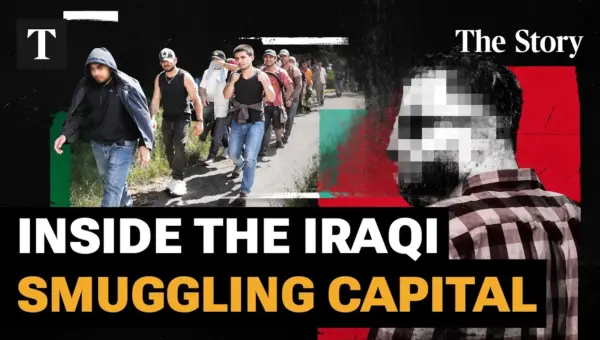
Iraqi Town Fuels UK’s Small Boats Crisis
A deep dive into Rania, Iraqi Kurdistan, reveals it as the epicenter of the UK's small boats crisis. Reporters uncovered how a lack of jobs and a history of conflict drive residents into people smuggling, which many view as a noble pursuit. Law enforcement efforts face challenges as the network proves resilient and adaptable.

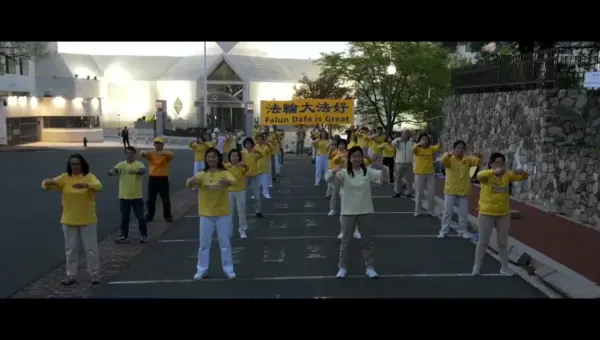
China’s Dark Secret: Peaceful Appeal Ignites Brutal Persecution
A peaceful appeal in China in 1999 sparked a brutal crackdown on Falun Gong practitioners. Over 10,000 gathered for freedom of belief, but faced arrest, torture, and even death. The persecution continues today, with disturbing reports of organ harvesting.