Argentina’s Meme Coin Meltdown: $100M Vanishes Amid Scam Allegations
Argentina's President Javier Milei is embroiled in a cryptocurrency scandal after a meme coin, Libra, promoted by his office, crashed, leading to allegations of a $100 million rug pull. Investigations reveal potential insider trading and 'sniping' tactics, raising questions about the project's true intent and those involved.

Argentina’s Meme Coin Meltdown: $100M Vanishes Amid Scam Allegations
A cryptocurrency project, initially promoted as a catalyst for Argentinian economic growth, has imploded, leaving investors reeling and sparking accusations of fraud, insider trading, and a potential presidential scandal. The meme coin, dubbed ‘Libra’, saw its market capitalization skyrocket to billions before a dramatic crash, with allegations now surfacing that the project’s orchestrators may have absconded with over $100 million in investor funds.
The Genesis of the Libra Token
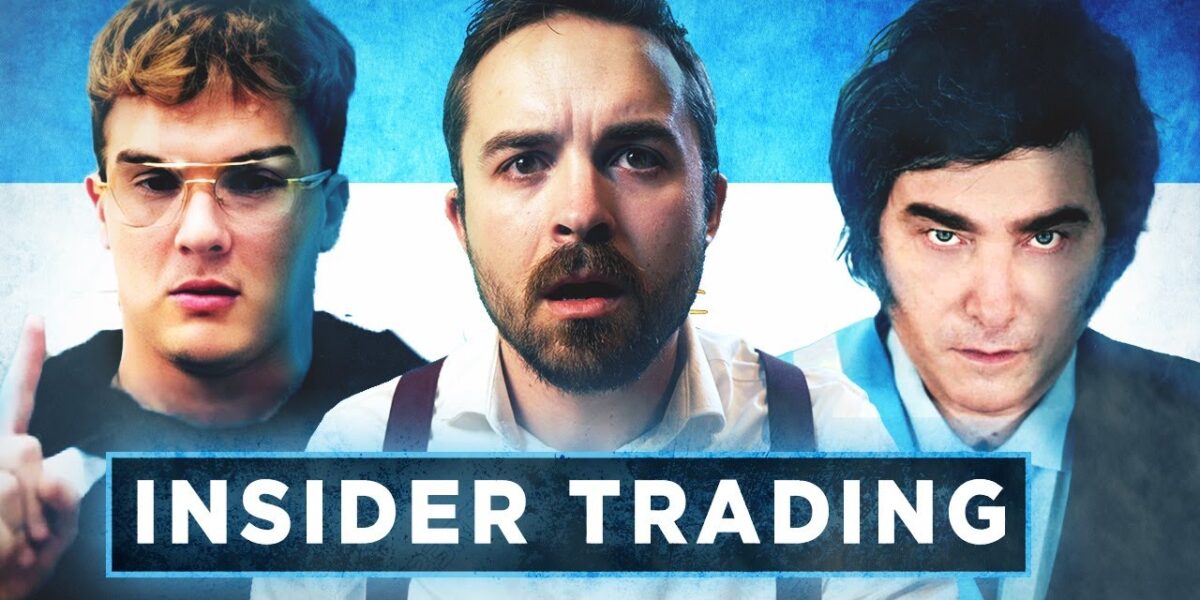
The saga began on February 14, 2025, when Argentinian President Javier Milei tweeted about the ‘Libra’ meme coin. The accompanying message suggested the project was a private initiative aimed at fostering economic growth within Argentina, supporting small businesses, and encouraging investment. A linked website described it as a ‘token with purpose,’ with 50% of its allocation designated for ‘Argentina growth’.
However, as the token’s value surged astronomically, concerns about its legitimacy mounted. Reports of insider trading began to surface, prompting President Milei to distance himself from the project, deleting his tweet and issuing a statement claiming he had ‘no connection with the project’ and was ‘not aware of the details’.
The Crash and the Allegations
Following Milei’s disavowal, the Libra token’s price plummeted. Subsequent investigations by blockchain analysis firms and whistleblowers suggest that the team behind the coin may have executed a ‘rug pull,’ draining over $100 million from the liquidity pool. This maneuver would have allowed the insiders to convert their tokens to substantial profits while leaving other investors with worthless assets.
Insider Revelations and the ‘Sniping’ Controversy
An individual identified by the initials ‘HD’, believed to be Hayden Davis, a key figure in the launch, reportedly contacted a financial journalist, claiming responsibility for the project’s botched execution. Davis allegedly offered to return the approximately $100 million in funds, held in multi-signature wallets requiring multiple approvals for transactions, to the public. He expressed a desire to ensure the money was returned ‘correctly’ and even offered to transfer control of the funds.
Further investigations revealed potential connections between the Libra token and other controversial meme coin projects, including one associated with Melania Trump. Blockchain analysis suggested that the same wallet network involved in launching Libra may have also been instrumental in the Melania coin. This led to accusations of ‘sniping’ – a practice where individuals use bots to acquire tokens at the earliest possible moment, often before the general public, at significantly lower prices.
Davis, when confronted, admitted to sniping the Libra and Melania tokens, though he later suggested it might have been a team effort. An insider from another project, ‘Enron token’, corroborated these claims, describing a scene where Davis and his associates allegedly used sniper bots to acquire tokens during a launch, securing profits even when they weren’t the absolute first buyers.
Platform Involvement and Regulatory Concerns
The investigation also implicated the platform ‘Medora’, which allegedly facilitated the launch of multiple meme coins, including Trumpcoin, Melania coin, and Libra, often involving Hayden Davis’s company, Kelsier. The CEO of Medora, Ben Chow, expressed shock at the allegations of sniping, though Davis suggested Chow would not have been surprised. Chow himself declared the Libra situation to be of ‘SPF level’ (referencing Sam Bankman-Fried and FTX), indicating the severity of the alleged misconduct, and stated he would have to step down from his company.
The article highlights a broader concern about the rampant nature of these schemes within the unregulated cryptocurrency market. ‘Max extraction’, a term used by Davis to describe maximizing profits, allegedly led to substantial gains, such as an estimated $1.3 million from the ‘Mates’ token. The author suggests that while such actions may be legally questionable, the current regulatory environment, particularly in the U.S., appears to be moving towards deregulation, making prosecution unlikely.
Investor Ramifications and Presidential Fallout
The narrative underscores that meme coin launches are often rigged ‘insider games’ where retail investors are at a significant disadvantage. The text points out that even prominent figures like Dave Portnoy, who invested $5 million, received his funds back privately from Davis, suggesting a tiered system of recourse for major players versus the general public.
In the aftermath, President Milei faces fraud charges and potential impeachment proceedings. He has maintained his stance, stating he merely broadcasted the token and did not recommend or promote it, questioning the likelihood of Argentinians being among the investors who lost money. While insiders claim Milei himself did not profit, the scandal has undoubtedly damaged Argentina’s reputation and highlighted the risks associated with politically-associated cryptocurrency ventures.
Market Impact and Investor Outlook
The Libra token incident is a stark warning about the speculative nature of meme coins and the prevalence of fraudulent activities within the crypto space. Investors are advised to exercise extreme caution, recognizing that many such projects are designed to benefit insiders at the expense of retail participants.
The lack of clear regulatory oversight amplifies these risks. The ‘max extraction’ and ‘sniping’ tactics described indicate a market where manipulative practices can thrive.
For the average investor, understanding the mechanics of token launches, the potential for insider dealings, and the inherent volatility of meme coins is crucial. The Libra disaster exemplifies how quickly seemingly promising projects can disintegrate, leading to substantial financial losses and reputational damage for all involved.
Source: Argentina's Memecoin Disaster Is Worse Than You Think (YouTube)

Related Articles

AI Finds Thousands of Crypto Security Flaws
A new AI model, Mythos, has discovered thousands of critical security flaws in software, posing potential risks to cryptocurrency platforms. The threats are more likely to target centralized exchanges and applications rather than the core blockchain technology itself.

Prediction Markets: Betting on War or Gathering Intelligence?
Prediction markets are drawing millions in bets on future events, including geopolitical conflicts. Experts question if these platforms offer genuine intelligence or simply profit from global instability. Research indicates most Americans view them as gambling, not investing, with young men driving their increased use.

Crypto Market Roars Back Amid Geopolitical Calm
Cryptocurrency markets are experiencing a surge in optimism, driven by easing geopolitical tensions and positive economic signals. Bitcoin has rallied, and traditional markets are also showing strength, indicating a broad shift in investor sentiment. Regulatory clarity and a generational wealth transfer are further supporting the positive outlook for digital assets.