VW Slashes 50,000 Jobs as Profit Plummets Amidst EV Shift
Volkswagen is set to cut 50,000 jobs by 2030 following a dramatic 44% drop in operating profit. The German automotive giant faces intense competition, costly EV transitions, and supply chain challenges. Porsche, a key brand within the VW group, saw its profits virtually disappear, highlighting the severity of the crisis.

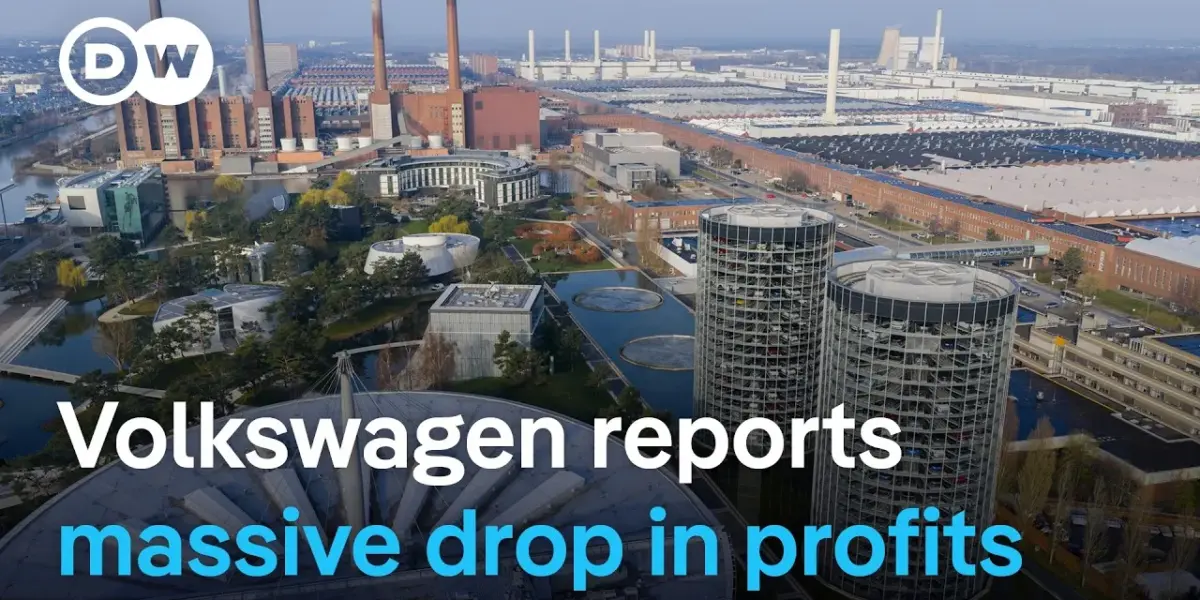
Volkswagen Faces Crisis, Announces Major Job Cuts
Germany’s automotive titan, Volkswagen, is grappling with a significant financial downturn, forcing the company to announce a drastic reduction of 50,000 jobs by 2030. The decision comes as the global car manufacturer reported a staggering 44% drop in operating profit last year, marking its worst financial performance in nearly a decade. Despite selling approximately 9 million vehicles worldwide across its ten brands – including Audi, Porsche, and Skoda – the conglomerate struggled to overcome mounting economic headwinds.
Porsche’s Profit Collapse Fuels VW’s Woes
A substantial portion of Volkswagen Group’s profit decline has been attributed to its luxury marque, Porsche. The esteemed brand saw its net profits virtually wiped out, plummeting to just €90 million compared to €5.3 billion in the previous year. This dramatic fall highlights the complex challenges confronting the automotive giant.
Complex Challenges Squeezing Automaker
Industry experts point to a confluence of factors contributing to Volkswagen’s current predicament. Steve Greenfield, an automotive technology investor and general partner at Automotive Ventures, outlined four key areas squeezing the company:
- US Import Tariffs: A 25% tariff on US imports is creating significant economic strain.
- Intense Chinese Competition: Fierce competition within China, coupled with the growing market share of Chinese automakers in Europe, is eroding sales and profitability.
- High Electric Vehicle (EV) Restructuring Costs: The costly transition to electric vehicles has proven challenging for legacy automakers struggling to adapt to shifting consumer adoption rates.
- Software-Defined Vehicle Hurdles: Significant investments in software development, including a multi-billion dollar partnership with Rivian for EV infrastructure, have faced internal challenges and strategic shifts.
“Global conditions are changing completely. Things that were once dependable are no longer. Our business model of the past decades no longer works,” stated Volkswagen Group CEO Oliver Blume, highlighting the urgent need for strategic recalibration.
Impact on Employees and German Industry
The announcement of job cuts has sent ripples of anxiety through Volkswagen’s workforce, particularly in its home city of Wolfsburg, Germany. Employees expressed concerns about the long-term implications beyond the 2030 target. The ripple effect is also expected to impact the extensive supply chain, with tier-one and tier-two suppliers, often operating on thinner profit margins, likely to face significant pressure.
EV Strategy: A Calculated Risk?
Volkswagen, like many legacy automakers, made a significant bet on the rapid adoption of electric vehicles. However, the pace of consumer uptake and the strategic dominance of Chinese manufacturers in the EV supply chain have presented unforeseen obstacles. China’s deliberate decade-long strategy to dominate EV production and supply chains has put Western automakers in a precarious position, reliant on Chinese technology for crucial components like batteries.
Porsche’s Struggles in a Shifting Market
Porsche’s profit collapse is partly attributed to declining sales volumes in China, where a more nationalistic consumer base is increasingly opting for domestic brands. The brand’s historical reliance on combustion engines is also being tested, with experiments in hybrid powertrains for iconic models like the 911 Turbo drawing criticism from purists and potentially alienating long-time fans as the company navigates the transition to electric drivetrains.
Navigating Trade Tensions and Innovation Cycles
To regain competitiveness, particularly against Chinese rivals, Volkswagen must accelerate its innovation cycles and reduce costs. Greenfield suggests that German manufacturers need to learn from the Chinese approach, which has demonstrated the ability to bring vehicles from concept to market significantly faster and at a lower cost. This imperative is underscored by Volkswagen’s significant investment in China to develop its future EV platforms there, raising the prospect of Chinese-built, Volkswagen-branded EVs being exported back to Europe.
An Existential Crisis for Legacy Automakers
The current situation represents an existential crisis for established automakers like Volkswagen. The combination of intense global competition, the costly EV transition, and evolving consumer preferences necessitates a fundamental re-evaluation of business models and manufacturing strategies. The coming years will be critical in determining whether Volkswagen can successfully pivot and remain a dominant force in the rapidly transforming automotive landscape.
Source: Volkswagen plans to cut 50,000 jobs as profit slides | DW News (YouTube)

Related Articles
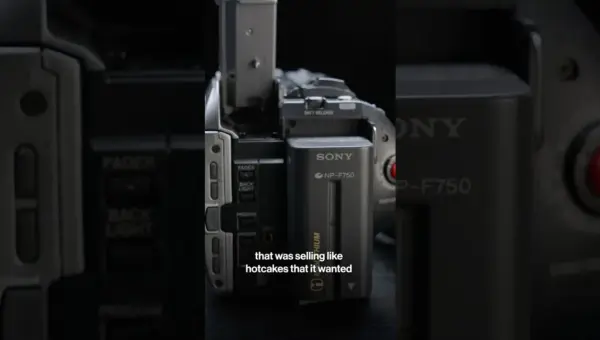
Lithium-Ion Batteries Fuel EV Revolution, China Leads Charge
Lithium-ion batteries, first popularized by Sony camcorders, have fueled a global electric vehicle (EV) revolution. China leads this charge, making EVs cheaper and driving worldwide adoption. This shift creates significant opportunities and competitive pressures in the global market.
BMW Bets Big on Luxury Sedans Amid SUV Craze
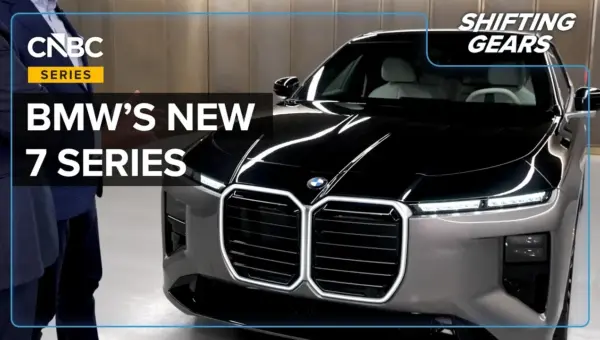
BMW is doubling down on its flagship 7 Series sedan, investing heavily in updates and technology despite the booming popularity of SUVs. The company sees the sedan as crucial for brand image and catering to a loyal customer base, even as competitors shift focus. This strategy aims to maintain BMW's leading position in the U.S. luxury market.

EV Dream Falters: Billions at Risk, Factories Canceled
Over $200 billion invested in US EV factories faces jeopardy as demand falters and automakers cancel plans. Significant financial losses are now projected, marking a major shift in the auto industry's electric future.