Fed’s Tight Spot: 1970s Echoes Spark New Investment Debate
Echoes of the 1970s inflation crisis are resonating in 2026 as geopolitical tensions drive oil prices higher and inflation persists. Investors are closely watching the Federal Reserve's response, drawing parallels to a period that reshaped wealth creation and considering new opportunities in gold, commodities, and real estate amidst technological shifts like AI.

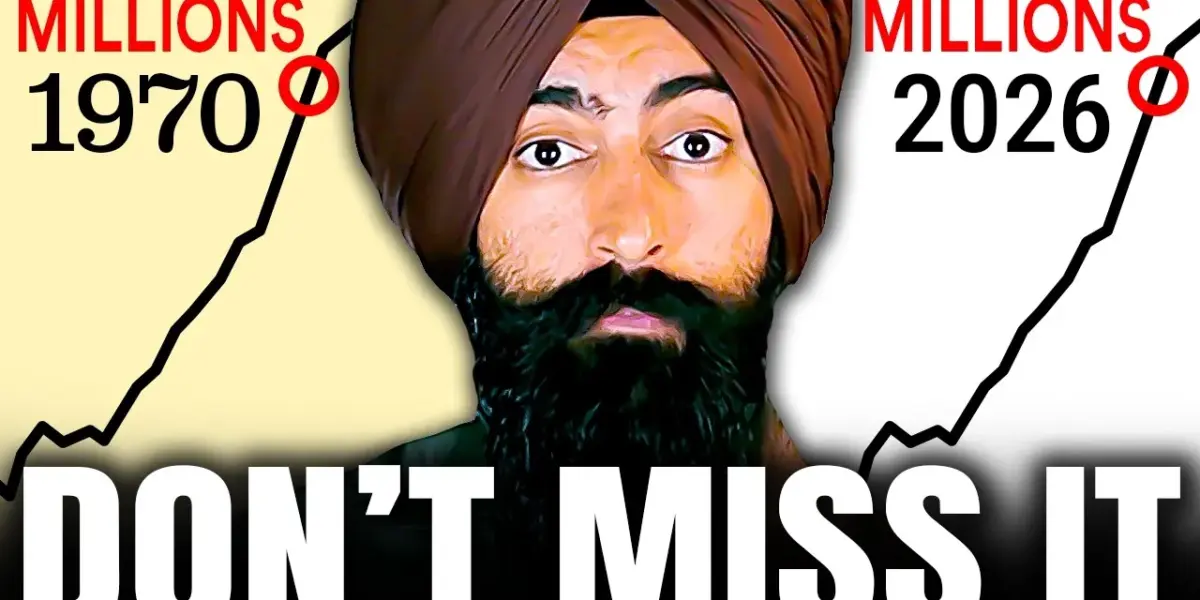
Fed Faces Inflation Dilemma Amid Geopolitical Turmoil
Fifty years ago, the United States grappled with soaring inflation exacerbated by Middle Eastern oil conflicts. Today, a similar confluence of events is prompting investors to scrutinize the Federal Reserve’s potential policy responses, drawing parallels to a period that reshaped American wealth and investment landscapes. With oil prices spiking due to recent geopolitical tensions and a fresh inflation report indicating persistent business cost pressures, the specter of the 1970s looms large.
Historical Parallel: The 1970s Inflation Shock
In the early 1970s, the U.S. economy was already contending with inflation following President Nixon’s 1971 decision to sever the dollar’s tie to gold. This move allowed for increased money printing and government spending, which, while initially stimulating, fueled inflationary pressures.
The situation was compounded in 1973 when the U.S. Support for Israel in the Yom Kippur War led to an OPEC oil embargo, causing oil prices to skyrocket. This ‘oil shock’ rippled through the economy, making everything from groceries to transportation more expensive.
In response to rampant inflation and the oil crisis, the Federal Reserve embarked on an aggressive campaign of interest rate hikes. Mortgage rates, for instance, surged to unprecedented levels, with annual rates reaching 12%, 15%, and even 18% in some cases. This drastic monetary tightening had a severe impact on the economy, leading to a stock market crash of approximately 45% between 1973 and 1974, and a significant rise in unemployment.
The Modern Echo: 2020s Inflation and Geopolitics
The current economic climate presents striking similarities. The COVID-19 pandemic in 2020 triggered massive government stimulus and money printing to support the economy, leading to the significant inflation seen in recent years.
Now, in 2026, a conflict in the Middle East has again sent oil prices soaring, mirroring the supply-side shocks of the 1970s. This has placed the Federal Reserve in a precarious position, balancing the need to control inflation against the risk of further economic slowdown.
The Fed’s Tightrope Walk: Policy Options
The Federal Reserve faces three primary policy choices, each with significant implications:
- Cutting Interest Rates: This risks exacerbating inflation, as lower borrowing costs could further stimulate demand, particularly in housing, potentially leading to bidding wars and rising prices, especially when coupled with high oil costs. This option is particularly sensitive given recent calls for lower rates.
- Maintaining Current Rates: Doing nothing while inflation rises could allow the problem to worsen, essentially a passive acceptance of increasing price levels.
- Raising Interest Rates: This is the traditional method to combat inflation, but it inherently slows economic activity, impacting borrowing, spending, and the job market. The period between 2022 and 2025, when the Fed raised rates, saw clear signs of economic deceleration.
Market Impact: Who Benefited Then and Now?
While the aggressive interest rate hikes of the 1970s devastated the stock market and the broader economy, certain asset classes and investors thrived:
- Gold: As concerns about inflation and currency devaluation grew, gold prices surged, offering a hedge against the weakening dollar.
- Commodities: Investors in raw materials like oil, metals, and agricultural products saw significant gains as prices for these essential goods climbed.
- Real Estate: Despite economic downturns and inflation, real estate prices generally rose, providing profitable returns for property investors.
Conversely, those holding cash, stocks, or bonds often saw their wealth eroded by inflation and market declines during that era.
Key Differences Today
While historical parallels exist, crucial differences shape the current landscape:
- Tariffs: In addition to inflation and oil prices, tariffs can now contribute to rising costs for businesses and consumers.
- Federal Reserve Stance: The Fed’s current approach may be influenced by different political pressures. A new Fed chair, appointed under President Trump, is expected to favor lower interest rates and potentially a weaker dollar, a stark contrast to the 1970s Fed’s primary focus on combating inflation at all costs.
- Gold’s Precedent: Gold prices have already seen a significant run-up since the pandemic, driven by inflation concerns and aggressive buying by central banks seeking to diversify away from the U.S. dollar, potentially altering its future trajectory.
- Artificial Intelligence (AI): The rise of AI presents a new economic frontier. While the 1970s saw the ‘Nifty Fifty’ large-cap stocks falter during the rate hikes, today’s ‘Magnificent Seven’ tech giants, heavily involved in AI, face an uncertain future. It remains to be seen if their growth will continue unabated or if they will experience a significant correction before AI’s long-term impact solidifies.
What Investors Should Know
The current economic environment, marked by geopolitical instability, persistent inflation, and a complex Federal Reserve outlook, presents both challenges and opportunities. Historically, periods of high inflation and geopolitical uncertainty have favored assets like gold, commodities, and real estate. The emergence of AI adds another layer of complexity, potentially creating new investment avenues within the technology sector, though with significant volatility.
Investors are reminded that past performance is not indicative of future results. The current economic landscape is distinct from the 1970s, with factors like tariffs, differing central bank priorities, and the transformative impact of AI playing significant roles. Diligence and a thorough understanding of market dynamics are crucial for navigating these evolving conditions.
Source: The Last Time the Fed Did This, a New Wave of Millionaires Was Created (YouTube)

Related Articles

Iran Faces $160 Billion Annual Loss From U.S. Blockade
Iran faces crippling economic pressure from a U.S. naval blockade, costing an estimated $450 million daily. This financial strain threatens Iran's ability to meet basic expenses and fund its government. The U.S. demands unconditional surrender, including halting nuclear activities and opening key shipping lanes.

Senator Cramer: Fed Probe Unnecessary, Warsh Nomination Needs Swift Action
Senator Kevin Cramer has called the criminal probe into Federal Reserve Chair Jerome Powell "unnecessary." He believes the Department of Justice should drop the investigation to help clear the path for Kevin Warsh's swift confirmation as the next Fed chair. Cramer also expressed optimism about gas prices decreasing and the U.S. ability to secure a deal with Iran.

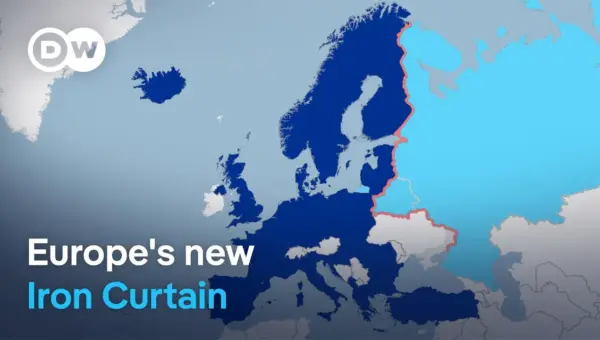
Russia Poses Greater Threat Post-Ukraine War, Expert Warns
A new report warns that Russia may become more dangerous and unpredictable after the war in Ukraine, potentially ushering in a new era of confrontation with Europe. Despite military and economic weakening, Russia's vast resources, strategic mindset, and China's support contribute to its continued threat. Europe faces a critical period of vulnerability as it works to bolster its defenses and adapt to this evolving security landscape.