War Games: How Memes Mask a Catastrophic Iranian Conflict
A critical analysis of the current Iranian conflict, exposing how the Trump administration's use of memes and perceived detachment trivializes the human cost. The piece questions the necessity of the war, highlights geopolitical manipulation, and examines the severe economic impact on American families.

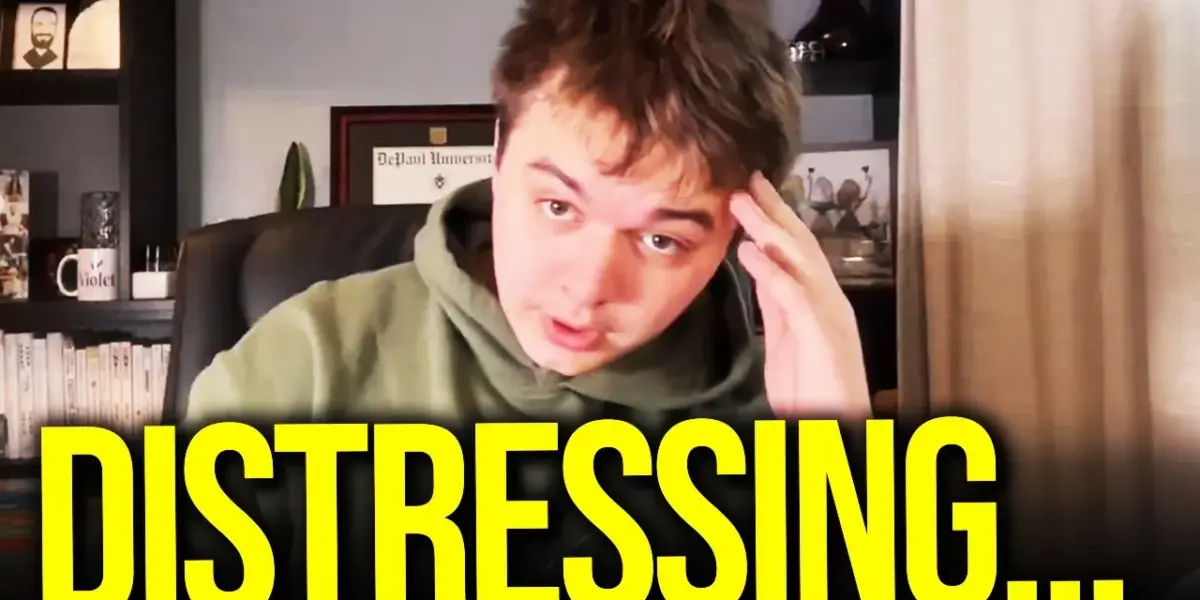
War Games: How Memes Mask a Catastrophic Iranian Conflict
In a political landscape often characterized by performative outrage and carefully curated messaging, the current conflict involving Iran has taken a particularly jarring turn. What should be a moment of sober reflection on human cost and geopolitical strategy has devolved into a bizarre spectacle of online memes and a perceived lack of seriousness from leadership. This analysis digs into the human toll, the questionable motivations, and the alarming implications of a conflict that appears to be escalating with a disturbing detachment from reality.
The Human Toll of Unnecessary War
The initial premise of the discussion is one of profound sadness and disbelief. The speaker highlights the tragic loss of life, particularly the “murder of all these little kids” in a bombing at an Iranian school. This event, alongside the deaths of numerous American military personnel and civilians, paints a grim picture of the conflict’s impact.
The stark contrast between this reality and the administration’s apparent embrace of “video game” culture, with its accompanying memes and attempts to appear “cool,” is presented as deeply concerning. This disconnect is framed as a “full lack of seriousness from very unserious people about something that is so real.”
The argument is made that the entire conflict was “incredibly unnecessary.” A key assertion is that Donald Trump was “pulled into this war by Netanyahu,” driven by a long-standing desire for conflict with Iran. The consequences are described as “catastrophic,” with thousands of Iranians dead, including the 160 schoolchildren. The photo of a young boy with a backpack is cited as a particularly heartbreaking symbol of this tragedy.
Further compounding the tragedy is the recollection of Iranian citizens who protested in January. Trump’s administration allegedly encouraged these protests, promising support, only for the regime to violently suppress them, resulting in tens of thousands of deaths.
The speaker criticizes Trump’s subsequent inaction and delayed response, labeling it “inconsistent” and directly responsible for significant loss of life. The deaths of six U.S. Service members are also attributed to this “war that Donald Trump started.” A crucial point of skepticism is raised regarding the honesty of reported casualty figures for American military personnel, suggesting the true numbers may be higher.
The Memeification of Warfare
The juxtaposition of the war’s grim reality with the Trump administration’s online presence is a central theme. Headlines and social media posts allegedly feature “Grand Theft Auto memes,” “Call of Duty memes,” and “baseball edits” where explosions are triggered by in-game actions. This is described as a “normalization and a desensitization to death, destruction, and war.” The leadership is accused of not truly leading but rather engaging in “weird stuff” to appear relevant.
The use of a meme from the movie Tropic Thunder by the White House, which prompted a rebuke from actor Ben Stiller, is highlighted as a prime example of this misguided approach. Stiller’s statement, “War is not a movie,” encapsulates the sentiment that such actions are disrespectful and trivializing.
This online strategy is seen as an attempt to appeal to a specific demographic, primarily “young men,” who are not generally politically activated. The promise of good-paying jobs and avoiding new wars was a key factor in their support. However, the current escalation and the use of war-themed memes are viewed as a betrayal of these promises, likely to backfire as young men are increasingly unwilling to be sent to overseas conflicts that primarily benefit defense contractors and oil companies.
Geopolitical Maneuvering and Unforced Errors
A significant part of the analysis revolves around the idea that the U.S. is being “dogwalked into a war by an ally.” The influence of Israeli leadership, specifically Netanyahu, is posited as a primary driver, with the U.S. President being maneuvered into a conflict against his own better judgment or strategic interests. The narrative suggests a pattern of being drawn into conflict based on claims of imminent threats that later prove unfounded.
The speaker contrasts this with the Iraq War, where, despite a flawed plan, there was at least a discernible strategy. The current situation is characterized as “flying by night,” lacking a coherent plan and thus more prone to worsening outcomes.
The transcript also touches upon the potential for domestic disruption. Concerns are raised about the White House allegedly preventing the FBI from signaling a heightened risk of terror attacks to local law enforcement.
This is interpreted as a possible attempt to invite chaos, perhaps to disrupt elections or justify martial law. The administration is labeled as “apathetic and criminally negligent” at best.
The economic consequences are explored. The war’s impact on oil prices is a significant concern, with predictions of prices reaching $130-$150 per barrel.
The easing of sanctions on Russian oil is seen as inadvertently funding adversaries like Russia, which in turn aids Iran. This creates a dangerous domino effect, making the world more perilous and draining U.S. Munitions in a conflict that is perceived as unnecessary.
The Cost at Home and Abroad
The financial implications extend beyond global markets to the average American family. The surge in gas prices, climbing significantly in a short period, is described as “catastrophic” for families already living paycheck to paycheck. Consumer sentiment has reportedly hit a decade low.
The war’s escalating cost, estimated in the billions of dollars, is contrasted with the perceived unwillingness to invest in domestic needs. The transcript questions why billions can be spent on foreign conflicts while domestic issues like infrastructure, student loan debt, and healthcare affordability are neglected. The reallocation of funds from humanitarian efforts (like USAID) to military spending is highlighted as a particularly egregious example of misplaced priorities.
Why This Matters
This analysis highlights the critical importance of scrutinizing the justifications for military engagement and the conduct of political leadership. The trivialization of war through memes and the alleged influence of foreign allies in dragging the U.S. Into conflict raise profound questions about national sovereignty and strategic autonomy. The human cost, both for American service members and foreign civilians, is immense and should not be overshadowed by political expediency or online trends.
The economic repercussions of such conflicts, impacting everyday Americans through rising costs of living, demand careful consideration. The narrative is a clear reminder that political decisions, however detached they may seem, have tangible and often devastating consequences, both domestically and internationally.
Implications, Trends, and Future Outlook
The trend of political communication increasingly relying on social media and meme culture, even for matters of war and national security, is a disturbing development. This approach risks desensitizing the public to the gravity of conflict and eroding trust in leadership. The potential for foreign powers to manipulate U.S. Foreign policy through personal relationships with leaders is a recurring theme that warrants ongoing vigilance.
The future outlook suggests a continuation of these trends unless there is a significant shift towards accountability and a more serious, evidence-based approach to foreign policy. The upcoming elections are presented as a crucial opportunity to demand accountability from those in power and elect representatives who prioritize responsible governance over political theater.
Historical Context and Background
The discussion implicitly draws parallels with past conflicts, most notably the Iraq War, highlighting a recurring pattern of U.S. Involvement in protracted and costly engagements. The mention of arming rebel groups, with the possibility of future conflict against those same groups, echoes historical precedents where U.S. Interventions have led to unforeseen and destabilizing long-term consequences. The critique of foreign policy decisions that prioritize intervention abroad over domestic investment also has deep roots in American political discourse, particularly the “America First” sentiment, which is here re-examined in the context of current events.
Source: I am so incredibly sad about this. (YouTube)

Related Articles
Markets Dip Amidst Iran Tensions; Goldman Sees Opportunity
Global markets dipped as U.S.-Iran tensions flared after the U.S. Navy boarded an Iranian ship. Despite the geopolitical concerns, Goldman Sachs notes continued investor positioning and strong AI sector performance, suggesting potential for further market upside. The situation with Iran remains a key factor to monitor.


Stocks Hit Record Highs Amid Geopolitical Fears
Stock markets are reaching record highs, but low trading volumes and geopolitical tensions in the Middle East are raising concerns. Meanwhile, the crypto space faces risks from major hacks and DeFi protocol vulnerabilities, prompting caution among investors and traders.
Trump’s Firm Stance Could Force Iran’s Hand
America's patience with Iran may be running out as repeated agreement breaches continue. Analyst Gan Valentino suggests that former President Trump's firm stance could force Iran's hand, potentially leading to military action if a deal isn't reached this week. The situation highlights long-standing geopolitical tensions and the complex future of Iran's governance and its role in the region.