Iran Conflict Threatens Global Economy: Oil Prices Surge
The Strait of Hormuz, a critical global oil and gas chokepoint, is effectively closed due to conflict, threatening to send oil prices soaring and reignite inflation worldwide. This disruption impacts global supply chains, with potential severe consequences for consumers and economies, including the UK and US.

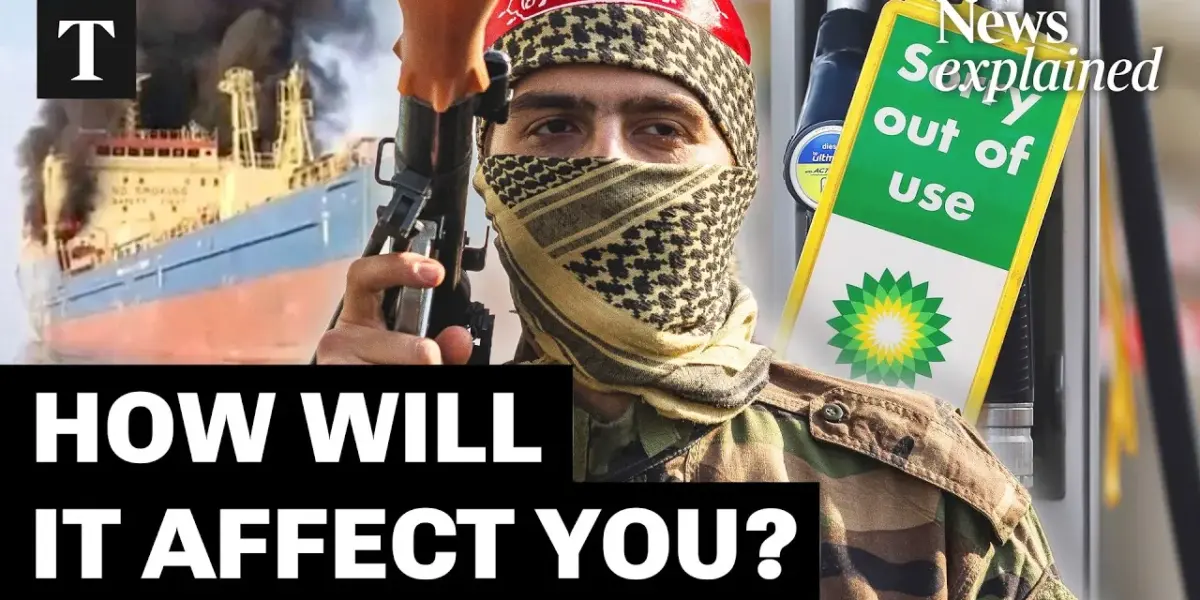
Strait of Hormuz Disruption Sparks Global Economic Fears
A vital shipping lane, the Strait of Hormuz, which handles approximately 20% of the world’s oil supply, is effectively shut down due to escalating conflict in the Middle East. This disruption, orchestrated by Iran’s threats of attack against vessels, has weaponized the global oil and gas supply, sending shockwaves through international markets and threatening a resurgence of inflation worldwide.
Weaponizing the Waterway: Iran’s Strategic Move
The Strait of Hormuz, a mere 35-mile-wide passage, has become the focal point of a global economic crisis. While not officially closed, the pervasive threat of Iranian attacks has rendered the waterway a no-go zone for commercial shipping. By effectively controlling this critical chokepoint, Iran is leveraging its strategic position to impact global energy supplies, a move that carries significant economic repercussions.
Global Supply Chain Under Siege: Price Hikes and Delays
The implications of this disruption are far-reaching. Reduced supply, coupled with the necessity for ships to take lengthy diversions and increased insurance premiums for those daring to traverse the region, is inevitably driving up global prices for oil and gas.
Even nations not directly reliant on oil from the Gulf are susceptible, as the market is interconnected. China, a major importer of Middle Eastern oil, faces the prospect of increased competition for dwindling supplies elsewhere, further inflating costs for all.
Inflationary Spiral Looms for the UK
For the United Kingdom, this global energy shock poses a direct threat to its battle against inflation. While inflation has been on a downward trajectory over the past year, sustained disruption in the Middle East and the subsequent rise in oil prices could easily reverse this progress.
Higher energy costs are a primary driver of inflation, and experts warn that the Bank of England’s anticipated interest rate cuts may now be in jeopardy. Consumers renewing their fixed-rate mortgages this year could face significant price increases, with advice circulating to lock in current rates before they potentially climb further.
“When inflation is high, interest rates tend to stay the same or even increase. The Bank of England was expected to lower interest rates at the end of this month, but bets are off now on that.”
Energy Price Cap Under Pressure
The impact on household energy bills in the UK hinges on the duration of the conflict. Analysts predict that a conflict lasting six weeks or longer could push the energy price cap to an alarming £2,500, placing immense pressure on consumers already grappling with the cost of living.
US Politics and Economic Stability: A Tightrope Walk
In the United States, the upcoming mid-term elections in November add another layer of complexity. Former President Donald Trump, keen to maintain voter satisfaction, faces the challenge of mitigating the economic fallout of rising energy prices.
Historically, Trump has shown a willingness to adjust his policies based on market reactions, as evidenced by his de-escalation of trade tariffs when financial markets responded negatively. He will likely seek to avoid prolonged periods of inflated energy costs that could alienate voters.
“Prices for American communities will not go up but in many cases will actually come down and very substantially.”
Trump’s administration may be influenced by market pressures to de-escalate any actions that could lead to sustained high energy prices, aiming to fulfill promises of economic relief for American households.
Iran’s Own Economic Stakes
Ironically, Iran itself has a vested interest in the resumption of supply through the Strait of Hormuz. As a significant oil exporter, any prolonged closure or disruption to this vital waterway would inflict substantial damage on its own economy. This creates a precarious situation where both global markets and Iran are locked in a high-stakes standoff, leading to the question of who will yield first.
Looking Ahead: Awaiting De-escalation
The coming weeks will be critical in determining the trajectory of the global economy. Markets will be closely watching for signs of de-escalation in the Middle East and any diplomatic efforts to reopen the Strait of Hormuz. The duration of the conflict, the response of major economic powers, and Iran’s strategic calculations will all play a key role in shaping the future of global energy prices and inflation.
Source: Iran War: Why the Global Economy is Facing Disaster (YouTube)

Related Articles


US Debt Crisis Fuels Bitcoin’s Million-Dollar Forecast
With U.S. national debt soaring and $10 trillion set to mature soon, experts predict increased money printing. This could devalue the dollar, driving investors to assets like Bitcoin, which some analysts forecast could reach $1 million by 2030 as a hedge against inflation.

Trump’s Iran Blockade Sparks Market Rally, Offers Economic Hope
The U.S. blockade on Iranian ports has spurred a significant market rally, with stocks reaching new highs and oil prices stabilizing. This economic pressure aims to prevent Iran from developing nuclear weapons and is expected to lead to a swift resolution of the conflict. Investors are optimistic about the resilience of the U.S. economy.

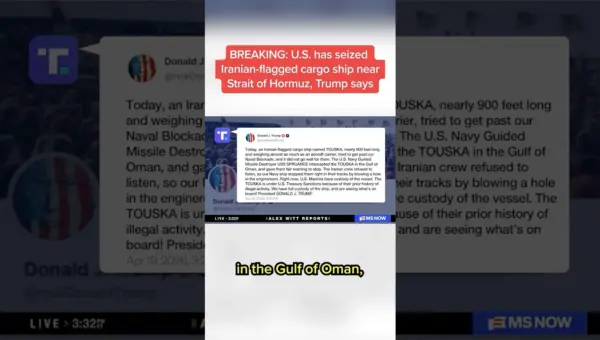
US Navy Seizes Iranian Ship Near Hormuz Strait
The U.S. Navy has seized an Iranian-flagged cargo ship near the critical Strait of Hormuz. Former President Donald Trump announced the interception on Truth Social, stating the vessel damaged its engine room while attempting to pass a blockade. The incident raises concerns about regional stability and global oil supply routes.