Senators Slam ‘War of Choice’ as Iran Strategy Unravels
Senators express outrage over the Trump administration's shifting rationales for military action against Iran, labeling it a "war of choice" based on questionable intelligence and lacking a clear strategy. The lack of an "imminent threat" to the U.S. and the potential for wider escalation are key concerns.

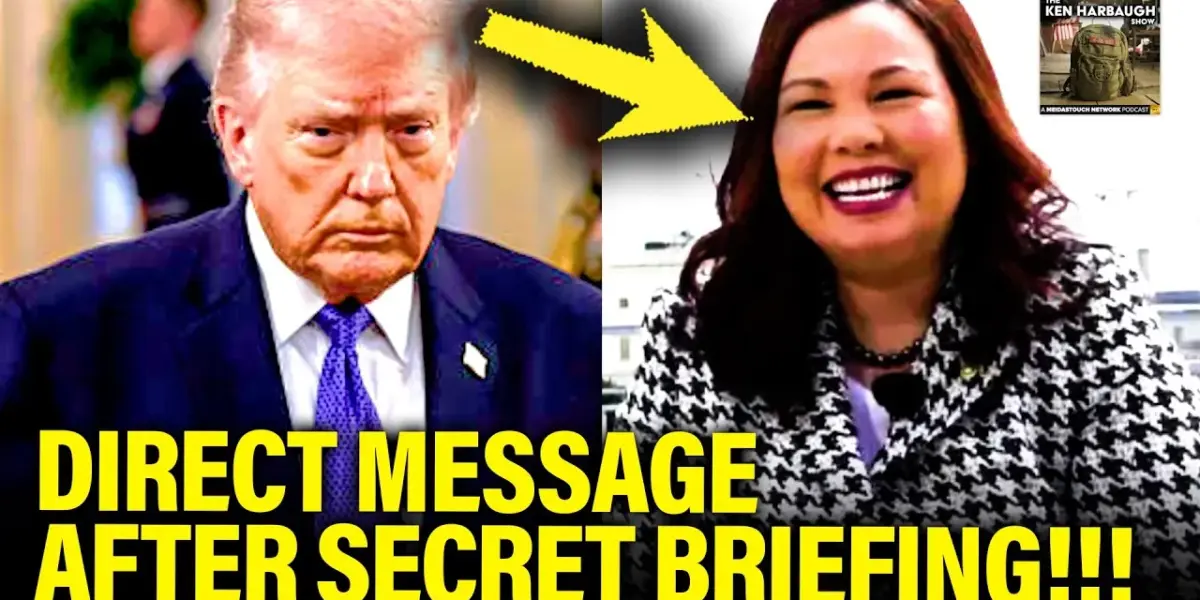
Senators Slam ‘War of Choice’ as Iran Strategy Unravels
A classified briefing intended to solidify support for military action against Iran has instead exposed deep fissures within the U.S. Senate, with lawmakers from both sides of the aisle expressing profound skepticism and outright condemnation of the Trump administration’s rationale and strategy. The recent operation, framed by the administration as a necessary response to imminent threats, has been decried by critics as a “war of choice” lacking clear objectives, coherent planning, and a justifiable basis, particularly as the human and financial costs begin to mount.
Conflicting Rationales and a Lack of Imminent Threat
At the heart of the controversy is the administration’s shifting narrative regarding the threat posed by Iran. While President Trump and his allies have asserted that the operation was based on “cumulative effect of various direct threats” and the president’s “feeling based on fact that Iran does pose an imminent and direct threat to the United States of America,” this assertion has been met with strong opposition from key senators.
Senator Mark Warner, a Democrat, was unequivocal after the briefing: “There was no imminent threat to the United States of America by the Iranians. There was a threat to Israel.” He further cautioned that equating a threat to Israel with an imminent threat to the U.S. Places the nation in “uncharted territory.”
This sentiment was echoed by Senator Tammy Duckworth, who, drawing on her extensive experience and understanding of military matters, stated, “No, I have not [seen any indication that there was an imminent threat]. And in fact, what they said in the briefing we received yesterday…
Was that we believe that Iran would attack US assets should Iran come under attack first. So we attacked them first.” This suggests a preemptive strike based on a hypothetical scenario, rather than a direct and imminent danger to American lives or interests.
A ‘Clown Show’ of Incompetence and Shifting Goals
The lack of clarity extends to the stated goals of the operation. Senator Duckworth noted that the administration’s justifications have changed “four or five times,” ranging from regime change to targeting nuclear capabilities (which were purportedly already destroyed) and even election interference. This inconsistency, coupled with the administration’s inability to articulate a clear plan for the future, has led to accusations of incompetence.
The transcript highlights a particularly jarring exchange with Republican Senator Mark Wayne Mullin, who, when pressed, equivocated on whether America was at war, stating, “We haven’t declared war. They declared war on us. But we haven’t war.” His subsequent admission of having “misspoke” and attributing the conflict to Iran declaring war, while simultaneously denying America was at war, was characterized as an example of “incompetence” being a “design feature of autocracies.”
The appointment of Senator Mullin to a key homeland security position, amidst such apparent confusion and a penchant for combative rhetoric, further fueled the critique of a “clown show” environment where “no one is allowed to be more competent than the chief clown.”
The Unraveling Rationale: Israel’s Role and Circular Logic
Perhaps the most controversial aspect of the administration’s justification, as revealed in the briefing, is the notion that the U.S. Acted preemptively because Israel was poised to attack Iran, which would then provoke an Iranian response against U.S. Assets. As Senator Duckworth articulated the administration’s logic: “We had to attack Iran because Israel was going to attack Iran which would provoke an Iranian response against US assets.” This circular reasoning has drawn sharp criticism. “It’s about as circular as it gets,” one commentator noted.
“Apparently Netanyahu is running U.S. Foreign policy now. Is that who’s in charge of the United States military?” This suggests a foreign policy driven by the interests of allies rather than a clear, independent assessment of American national security.
The Human Cost and a Looming Power Vacuum
Beyond the strategic and political critiques, the immediate human cost is undeniable. The transcript mentions that “Americans are dying, as are innocent civilians across the Middle East,” and that “We’ve lost six already, probably more by the time we’re done talking.” The lack of a clear plan for de-escalation or future steps, with the administration reportedly offering “more bombings” as the only foreseeable action, is deeply concerning. Critics warn that the administration’s actions have created a “power vacuum” by killing a key figure (presumably Qasem Soleimani, though not explicitly named in this excerpt), which could be filled by “terrorist organizations like Hamas” or the IRGC, ultimately destabilizing the region further and undermining American interests.
Escalation Risks and a Widening Conflict
The implications of this conflict extend far beyond Iran. The transcript raises concerns about the potential for the conflict to spread, citing evacuation orders from 14 countries and the penetration of air defenses by Iranian drones and ballistic missiles.
The interception of a drone launched at Turkey, a NATO member, raises the specter of invoking Article 5 of the NATO treaty, which would obligate U.S. troops to respond. This highlights the precarious position the U.S. Finds itself in, potentially drawn into a wider regional or even transatlantic conflict due to a decision made without congressional approval and based on questionable intelligence and shifting rationales.
Why This Matters
This episode underscores a critical tension in American foreign policy: the balance of power between the executive and legislative branches regarding the use of military force. The Constitution grants Congress the power to declare war, yet presidents have increasingly asserted unilateral authority to engage in military actions, often citing vague notions of national security or imminent threats.
The revelations from this classified briefing suggest that such unilateral actions can be based on flawed intelligence, shifting objectives, and a lack of strategic foresight, leading to unintended consequences, loss of life, and regional instability. The debate over the “war of choice” against Iran, as characterized by critics, highlights the dangers of executive overreach and the imperative for transparency, congressional oversight, and a clearly articulated, consistent foreign policy strategy.
Implications, Trends, and Future Outlook
The events described point to a troubling trend of presidents bypassing congressional consultation and justification for military engagements. The apparent reliance on Israeli intelligence or strategic interests, rather than solely American ones, raises questions about the independence and efficacy of U.S. Foreign policy decision-making.
The lack of a clear “off-ramp” or exit strategy is a recurring theme in modern conflicts, often leading to prolonged engagements with escalating costs. The potential for the conflict to draw in NATO allies through Article 5 also illustrates the unpredictable and far-reaching consequences of such actions.
Looking ahead, this situation demands greater accountability from the executive branch and a renewed commitment to constitutional checks and balances. The role of independent media and congressional oversight becomes even more crucial in challenging administrations that may engage in “misinformation and outright lies” to justify military action. The long-term outlook for regional stability remains bleak if such decisions are made without robust debate, clear objectives, and a comprehensive plan that accounts for the complex geopolitical landscape and the potential for unintended escalation.
Historical Context
The U.S. has a long history of executive branch actions in foreign conflicts that have skirted or bypassed formal declarations of war by Congress. From the undeclared wars in Korea and Vietnam to more recent interventions in the Middle East, presidents have often relied on authorizations for the use of military force (AUMFs) or simply cited inherent presidential powers to deploy troops. The post-9/11 era, in particular, saw a significant expansion of executive authority in matters of national security and military engagement.
However, the current situation, as described by senators, appears to represent a more direct assertion of presidential prerogative, even in the absence of a widely acknowledged, direct threat to the U.S. Homeland, and with conflicting justifications offered even to lawmakers privy to classified information. The legal and constitutional debates surrounding the president’s war-making powers continue to evolve, with events like these serving as critical case studies in the ongoing struggle for balance.
Source: Top Senator BREAKS SILENCE on WAR After CLASSIFIED BRIEFING (YouTube)

Related Articles

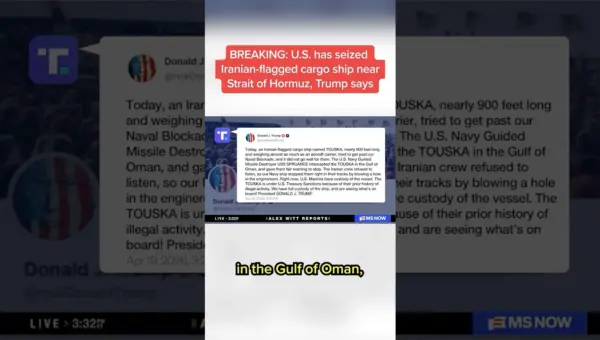
US Navy Seizes Iranian Ship Near Hormuz Strait
The U.S. Navy has seized an Iranian-flagged cargo ship near the critical Strait of Hormuz. Former President Donald Trump announced the interception on Truth Social, stating the vessel damaged its engine room while attempting to pass a blockade. The incident raises concerns about regional stability and global oil supply routes.

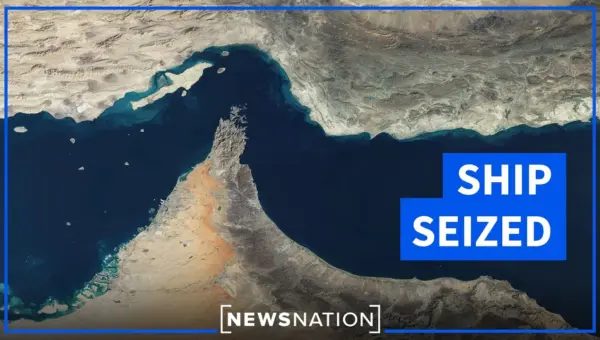
Navy Seizes Ship, Tightens Grip on Iran’s Economy
The U.S. Navy has seized an Iranian-flagged cargo ship in the Gulf of Oman, with President Trump highlighting the action as a consequence of Iran's refusal to heed warnings. This move is part of a broader strategy of economic pressure, using a naval blockade to gain leverage over Iran.
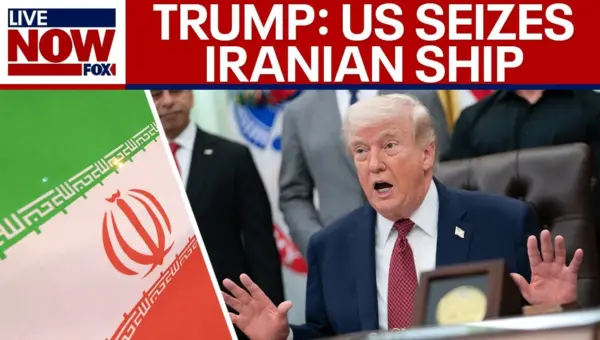
US Navy Seizes Iranian Ship After Refusal to Stop
The U.S. Navy has seized an Iranian cargo ship in the Gulf of Oman after it refused to stop, according to President Trump. This action escalates tensions as a regional ceasefire deadline approaches. High-stakes negotiations are planned in Pakistan, though Iran has expressed rejection.