Iran War: Regime Change, Not Nukes, Fuels US Conflict
The stated reason for the U.S. war with Iran centers on nuclear threats, but a deeper analysis of recent history and strategic shifts suggests regime change is the primary, unstated objective. This distinction has profound implications for the conflict's duration and global impact.


Iran Conflict: More Than Meets the Eye
The recent eruption of conflict between the United States and Iran has sparked a flurry of questions, demanding a deeper understanding beyond the official narratives. While the stated reason for military intervention centers on an “imminent threat” of Iran acquiring nuclear weapons, a closer examination of the timeline and strategic shifts suggests a more complex, and potentially prolonged, objective: regime change.
Unpacking the Stated Reason: A History of Inconsistencies
The official justification for the strikes against Iran, mirroring actions from the previous year, hinges on preventing nuclear proliferation. However, this narrative faces significant scrutiny when juxtaposed with past statements and recent military movements.
The Trump administration previously declared Iran’s nuclear capabilities “obliterated.” If this assertion was accurate, the current pretext for war becomes questionable. Conversely, if those capabilities were not fully neutralized, it implies a lack of transparency regarding the success of prior military actions, raising concerns about the current administration’s candor.
Further complicating the nuclear threat narrative is the redeployment of U.S. military assets away from Iran to locations like Venezuela. This strategic shift occurred even as protests within Iran gained momentum earlier this year. During this period, then-President Trump encouraged the Iranian populace to revolt, promising support that could not be readily provided due to the lack of proximate military assets.
Following these internal upheavals, a significant build-up of U.S. military power commenced in the Middle East, specifically encircling Iran. This build-up predates any renewed focus on nuclear talks, strongly suggesting that the primary driver for increased military presence and subsequent action was the internal political instability within Iran, rather than an immediate nuclear escalation.
Regime Change: The Unspoken Objective
The consistent rhetoric from Donald Trump, both during the protests and in the wake of the recent strikes, calling for the Iranian people to “overthrow the regime,” highlights the hypothesis that regime change is the central, albeit unstated, U.S. Objective. This perspective aligns with the observed strategic decisions and military posturing, suggesting that the nuclear element, while present, is a secondary justification rather than the primary catalyst for the current conflict.
The implications of prioritizing regime change over solely neutralizing nuclear facilities are profound. It indicates a potential commitment to a protracted engagement, aiming not just for military strikes but for a fundamental alteration of Iran’s political landscape. This approach, reminiscent of past interventions in Iraq, Afghanistan, and Vietnam, carries the risk of prolonged entanglement and unforeseen geopolitical consequences.
Geopolitical Ripples: Energy, Russia, and Ukraine
The conflict’s impact on global energy markets is a significant concern. While a worst-case scenario of prolonged high energy prices could lead to widespread economic hardship, affecting everything from transportation costs to food prices (due to the reliance of fertilizer production on natural gas), expert projections currently suggest moderate impacts. The immediate effect of increased energy prices on Russia’s war in Ukraine is also complex.
While higher prices could theoretically boost Russia’s revenue, the impact is mitigated by existing sanctions on Russian energy, which force sales at a discount. Alternative energy sources and strategic reserves in countries like the U.S. and China can help stabilize global markets, preventing an apocalyptic price surge.
Beyond energy economics, the war in Iran presents a mixed bag for the Ukraine conflict. On one hand, Iran’s diminished capacity to supply Russia with drones, a critical asset earlier in the war, represents a strategic blow to Moscow. On the other hand, the U.S. and its allies’ depletion of missile defense systems, such as Patriot missiles, due to the conflict in Iran, could paradoxically benefit Ukraine.
As global stockpiles dwindle, the U.S. may be compelled to rely more heavily on Ukraine’s innovative and cost-effective air defense solutions. This shift could empower Ukraine, potentially leading to increased investment in its defense industry and a more robust strategic partnership with the West, fundamentally altering the dynamics of the war in Eastern Europe.
Why This Matters
Understanding the true motivations behind the Iran conflict is crucial for assessing its potential duration, scale, and global repercussions. If regime change is the primary objective, the war is unlikely to be a swift resolution but rather a protracted engagement with significant geopolitical and economic ramifications. The narrative surrounding nuclear threats, while a potent political tool, may obscure a more ambitious and potentially destabilizing agenda.
The interconnectedness of global energy markets, the ongoing war in Ukraine, and the strategic alliances in the Middle East means that this conflict will have far-reaching consequences that extend well beyond the immediate theater of operations. The world watches as the U.S. Navigates this complex geopolitical landscape, where the stated reasons for war may not fully capture the depth of its ambitions or the potential for unintended consequences.
Future Outlook: A Protracted Engagement?
The historical pattern of U.S. military interventions suggests a tendency towards prolonged engagements, often initiated with the expectation of swift victory. The current situation in Iran, particularly if the objective is indeed regime change, carries a similar risk. The U.S. Faces the challenge of maintaining political will for a potentially lengthy conflict, especially if domestic and international support wanes.
The strategic importance of the Strait of Hormuz, through which a significant portion of global energy supplies flows, adds another layer of complexity. Any sustained disruption to this vital waterway could trigger severe global economic instability.
The conflict’s evolution will likely depend on various factors, including the success of U.S. military operations, the resilience of the Iranian regime, and the broader geopolitical responses from international actors. The interplay between energy markets, Russia’s strategic calculations, and the needs of Ukraine will continue to shape the global security environment. As events unfold, a clear-eyed analysis, grounded in geopolitical realities rather than political rhetoric, will be essential for comprehending the true trajectory of this conflict and its enduring impact on the world stage.
Source: The FULL Story on the Iran War That You Aren’t Being Told (YouTube)

Related Articles

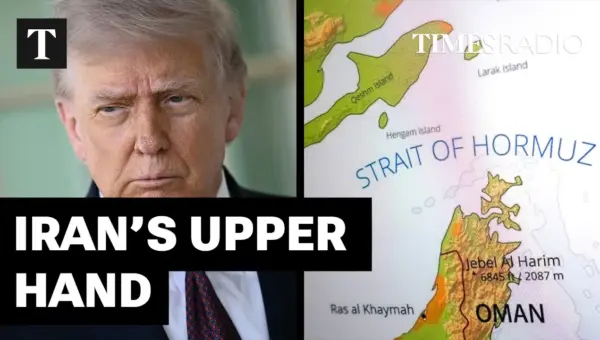
US Faces Limited Options Against Iran’s Strait Control
Iran's control over the Strait of Hormuz presents the U.S. with limited options beyond a massive ground invasion. Despite ongoing peace talks and a potential deal mirroring past agreements, Iran's demonstrated leverage over the vital economic chokepoint solidifies its strategic position. The conflict's economic fallout is impacting global markets, with the U.S. experiencing higher energy prices and slower economic growth, while other nations face more severe consequences.


Trump’s Health Fears Spark Global Unease
Concerns are growing over Donald Trump's cognitive and physical health, with erratic social media posts and public statements fueling speculation. These issues arise amidst rising global tensions, raising questions about his fitness for leadership. The transcript suggests a pattern of disinhibition and conspiracy-driven communication.

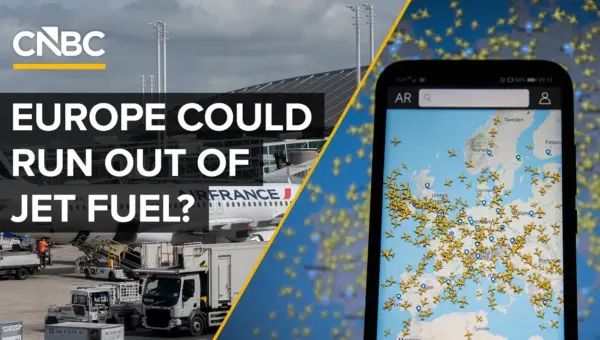
Europe Faces Jet Fuel Crunch, Threatening Summer Travel
Europe faces a critical jet fuel shortage, threatening summer travel. Reliant on Middle Eastern imports, disruptions have led to rising fuel costs, forcing airlines to increase ticket prices and adjust schedules. Travelers can expect higher fares and potential flight rationing as the peak season approaches.