Presidential Slumber Amidst Escalating Global Conflict
Observed presidential fatigue during a critical period of escalating global conflict raises serious questions about leadership priorities and the human cost of war. As regional tensions surge, the commander-in-chief's apparent disengagement from vital meetings and dismissive attitude towards casualties sparks widespread concern.

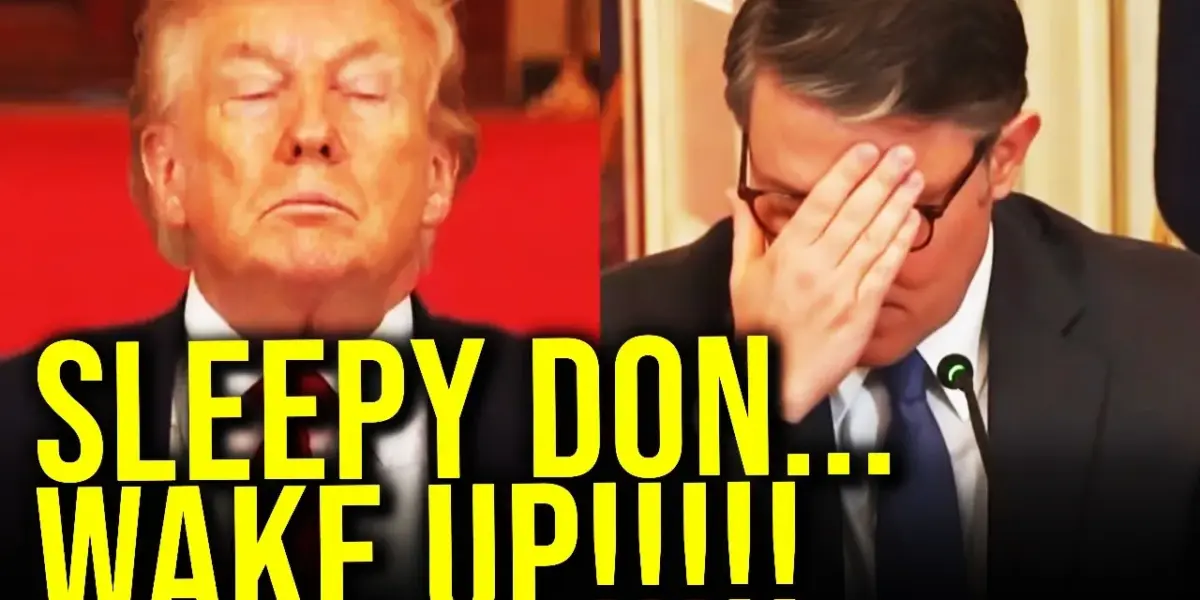
Presidential Slumber Amidst Escalating Global Conflict
In a stark display of apparent disengagement, the current United States President has been observed appearing to fall asleep during critical meetings, even as the nation finds itself embroiled in escalating international conflict. This behavior has drawn sharp criticism, particularly in light of recent military actions and their devastating human cost. The juxtaposition of a leader seemingly nodding off while reports of war casualties and regional instability flood the news cycle raises profound questions about leadership, priorities, and the gravity of global affairs.
A War Ignited, A President Drowsy
Recent news reports paint a grim picture of a world teetering on the brink of wider conflict, with direct implications for U.S. Foreign policy. The Israeli Defense Forces (IDF) have reported striking an Iranian command center in Lebanon, contributing to a death toll that has surpassed 200.
Simultaneously, Kurdish armed forces in Iraq have been targeted by drones, an event linked to the President’s initiation of a regional conflict with Israeli Prime Minister Netanyahu. Adding to the volatile situation, the UN Secretary-General has issued a grave warning that Iran could spiral beyond anyone’s control.
Amidst this backdrop of escalating hostilities, the President was reportedly seen falling asleep during a conference focused on women’s sports. When questioned about potential retaliatory attacks, his response was dismissive: “I guess, like I said, some people will die. Some people die when you go to war.” This flippant remark, coupled with his visible fatigue, has been met with disbelief and outrage.
Priorities Under Fire: College Sports vs. Human Lives
The criticism intensified when the President appeared at a meeting discussing the integrity and culture of college sports. This event, featuring figures like former Secretary of State Condoleezza Rice and Governor Ron DeSantis, focused on issues such as eligibility, transfers, and name, image, and likeness (NIL) deals. The transcript highlights the apparent disconnect between the administration’s stated concerns and the unfolding global crisis:
“They’re talking about college sports while a war rages on. I’m sure this issue is important, but have somebody else do it rather than falling asleep during this conference because you are so old. If you actually care about children, or if you actually care about young people, maybe you should talk about the 160 school children who were killed because of your bombs.”
The speaker of the House, Mike Johnson, was also present, reportedly offering effusive praise for the President’s leadership. However, his participation in this discussion, rather than focusing on pressing war powers resolutions, has also come under scrutiny. The transcript notes that a War Powers Resolution vote had been previously sidelined, adding another layer of concern regarding congressional oversight of military actions.
The Human Cost of Conflict
The human toll of the recent military actions is a central point of contention. The transcript cites reports of six U.S. Service members killed, alongside a devastating number of civilian casualties. Specifically, 160 school children are confirmed dead, with hundreds of casualties in Lebanon and tens of thousands of Iranians reportedly killed by their regime during protests following the President’s actions.
The transcript details a particularly tragic incident where U.S. officials allegedly informed Congress that the U.S. was responsible for targeting an area in Iran where a girls’ school was struck, resulting in the deaths of numerous children. A poignant image of a third-grade student, Muel, killed in the strike, is described as a heartbreaking symbol of the conflict’s innocent victims.
Historical Context and Contrasting Administrations
The current situation is framed by a comparison with the previous administration. Critics of the current President draw a sharp contrast with the perceived foreign policy approach of Joe Biden. While Biden’s withdrawal from Afghanistan was acknowledged as imperfect, it is presented as a decisive move away from prolonged military engagement.
Conversely, the current administration is accused of drawing the U.S. Into new, potentially protracted conflicts. The narrative suggests a pattern where promises of non-intervention are replaced by active military engagement, leading to the very “forever wars” the public ostensibly wishes to avoid.
Leadership and Accountability
The President’s reaction to a question from Fox News reporter Peter Doocy about Russia’s alleged involvement in aiding Iran’s attacks on Americans further highlights concerns about his engagement. When asked about this critical development, the President reportedly snapped at the reporter, dismissing the question as “stupid” and insisting the focus remain on the current agenda. This defensive posture, contrasted with his apparent drowsiness, raises questions about his capacity to address complex, evolving threats effectively.
Why This Matters
The observed behavior and the administration’s foreign policy decisions carry significant weight. The President’s apparent fatigue and dismissive attitude towards the human cost of war, coupled with the escalation of regional conflicts, demand scrutiny.
Effective leadership requires not only strategic decision-making but also a visible commitment to understanding and addressing the profound consequences of those decisions. The juxtaposition of a focus on domestic issues like college sports with ongoing international conflict, especially when accompanied by signs of disengagement, erodes public trust and raises concerns about national security and global stability.
Implications, Trends, and Future Outlook
The current geopolitical climate, marked by escalating tensions and a perceived lack of presidential engagement, suggests a period of heightened uncertainty. The trend of drawn-out conflicts, the potential for miscalculation, and the erosion of diplomatic channels are serious concerns. The future outlook hinges on whether leadership prioritizes de-escalation, robust diplomatic engagement, and a clear-eyed assessment of the human and geopolitical costs of military action.
The public’s demand for accountability and clarity will likely grow as the consequences of these decisions unfold. The incident also underscores a broader trend of political discourse increasingly focused on superficial or domestic issues, even when significant international crises loom, potentially distracting from or overshadowing critical foreign policy challenges.
Source: Trump Falls Asleep as his WAR LOSES CONTROL (YouTube)

Related Articles


US Weighs Cuba Invasion Amidst Economic Crisis
The U.S. is reportedly weighing military options for Cuba amidst a severe economic crisis. Reports suggest the Pentagon is preparing for potential operations, while Cuba urges its citizens to prepare for conflict. Experts question the timing of U.S. intervention.

Russian CEOs Criticize Putin’s Grip on Power
Russian business leaders and youth are expressing growing discontent with President Putin's leadership, citing economic woes and a disconnect from reality. The head of a chemical plant, Cherepovets Azot, directly criticized the Kremlin following a Ukrainian drone strike on his facility. This sentiment of pessimism about Russia's future is reportedly widespread among younger generations, who feel stifled by internet restrictions and economic hardship.

US Navy Seizes Iranian Ship Near Hormuz Strait
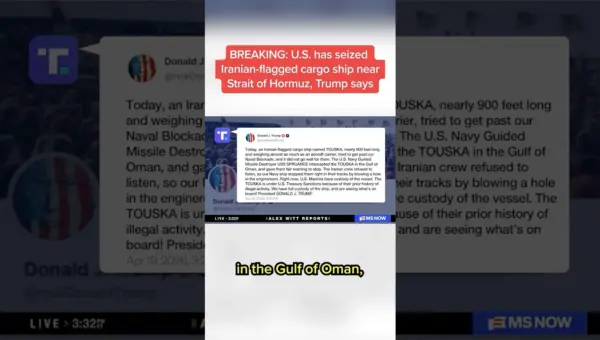
The U.S. Navy has seized an Iranian-flagged cargo ship near the critical Strait of Hormuz. Former President Donald Trump announced the interception on Truth Social, stating the vessel damaged its engine room while attempting to pass a blockade. The incident raises concerns about regional stability and global oil supply routes.