US War on Iran: Escalation Risks and Global Fallout
As the US war against Iran escalates, alarming reports suggest potential ground troop deployment and the involvement of Russia and China. This analysis delves into the geopolitical risks, economic fallout, and questionable intelligence surrounding the conflict.

US War on Iran: Escalation Risks and Global Fallout
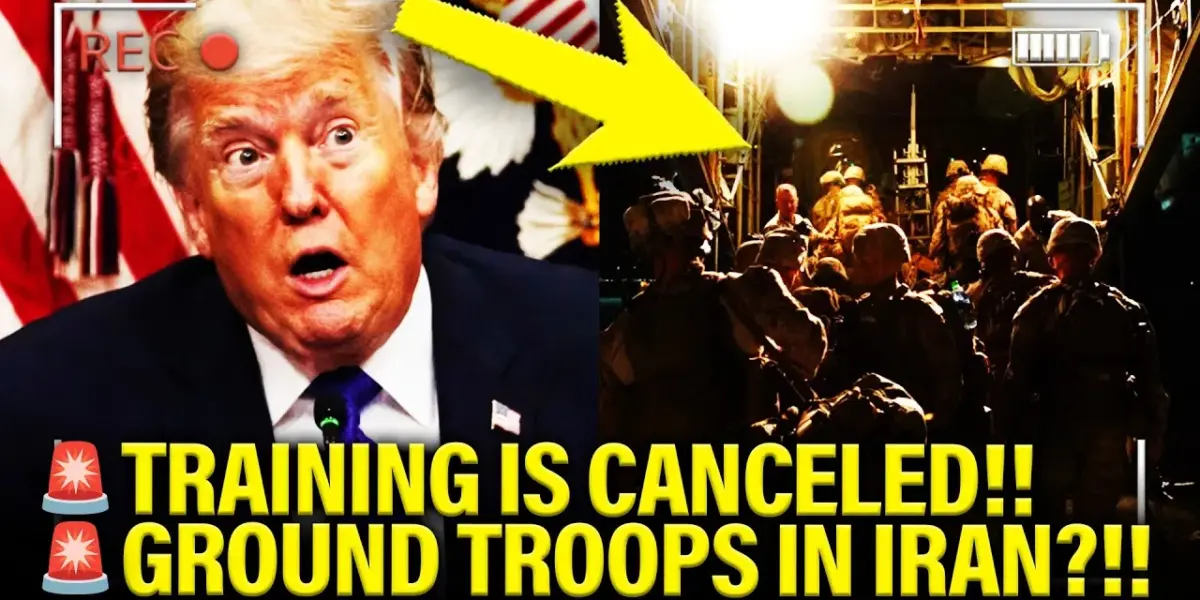
Recent developments suggest a significant escalation in the conflict between the United States and Iran, with alarming implications for regional stability and the global economy. Information emerging from the Washington Post indicates that the U.S. Army has abruptly canceled a major training exercise for the 82nd Airborne Division at Fort Bragg. This cancellation, coupled with the division’s role as an immediate response force on high alert for rapid deployment, has fueled speculation within the Pentagon about a potential ground troop deployment to the Middle East, joining the ongoing war against Iran.
The 82nd Airborne: An Immediate Response Force
The 82nd Airborne Division is a highly trained unit capable of rapid airborne deployment on short notice. Its brigade combat team, comprising thousands of soldiers, is designed for a range of missions, including seizing airfields and critical infrastructure, as well as conducting evacuations. Its readiness status suggests a heightened state of alert, potentially in anticipation of or response to evolving geopolitical events in the Middle East.
Shifting Narratives and Questionable Intelligence
Adding to the confusion and concern, reports suggest a pattern of misinformation. Prior to these developments, the Trump administration reportedly leaked false information to the press about the Kurds launching a ground invasion of Iran, a claim vehemently denied by Kurdish leaders.
This incident, alongside a delayed and vague response from CENTCOM regarding military operations in the region, raises serious questions about the transparency and accuracy of intelligence being disseminated. As one military reporter noted, detailed questions about space operations yielded only a generic fact sheet for an ongoing conflict, highlighting a potential lack of clarity and communication.
Russia and China’s Involvement: A Widening Conflict?
The conflict appears to be drawing in other global powers. According to U.S. officials speaking to the Washington Post, Russia has allegedly provided Iran with comprehensive intelligence on the locations of U.S. military assets, ships, aircraft, and personnel in the Middle East. This intelligence sharing, if accurate, represents a significant escalation and a direct challenge to U.S. Operations in the region.
Meanwhile, China is also reportedly preparing to offer Iran financial assistance, spare parts, and missile components. China’s reliance on Iranian oil and its reported pressure on Iran to ensure safe passage through the Strait of Hormuz further complicate the geopolitical landscape.
“When asked earlier this week about the influence of China or Russia in the conflict with Iran, Secretary of Defense Pete Hgsith responded, ‘They’re not really a factor here.'”
Economic Repercussions: Oil Prices and Consumer Impact
The escalating tensions have had an immediate and dramatic impact on global energy markets. Oil prices have surged, with a significant increase of $12 per barrel in a nine-hour period, reaching $92.50 and showing potential to hit $100.
This spike is directly translating into higher gasoline prices for American consumers, with a 33-cent increase per gallon in a short period. This economic fallout directly contradicts campaign promises to lower costs and avoid costly foreign entanglements.
Congressional Concerns and Constitutional Duties
Within the United States, there are growing concerns about the executive branch’s handling of the conflict and the apparent disregard for constitutional processes. A recent vote in the House of Representatives to prevent further debate on war authorization, driven by Republican leadership, highlights a reluctance to engage in the constitutionally mandated process of debating and authorizing military action. This is particularly troubling given the loss of six American lives and the broader economic and geopolitical implications of the conflict.
“The Constitution that we swear allegiance to that demands that the representatives of the people actually debate and authorize this stuff. It is the Constitution that we swear allegiance to that demands that the representatives of the people actually debate and authorize this stuff.”
Historical Parallels and Betrayals
Critics point to a pattern of perceived betrayals and inconsistent foreign policy. Donald Trump’s administration is accused of betraying the Kurds in Syria, a recurring theme from his first term.
His administration’s response to pro-democracy protesters in Iran, initially offering support and then seemingly abandoning them, is viewed as a significant misstep. The shifting stance on regime change, with conflicting signals from prominent figures like Marco Rubio, adds to the confusion and undermines U.S. Credibility.
The Risk of a Wounded Animal: A Dangerous Escalation
A stark warning is issued regarding the potential consequences of the current approach. The theory presented is that the conflict will lead to further loss of life, increased oil prices, and a decline in economic growth.
The prediction is that the president will eventually declare victory and withdraw, having replaced a leader with his son, who is perceived as more radical. This scenario paints a grim picture of a strengthened, more dangerous Iranian regime, operating in a strategically vital region that supplies a significant portion of the world’s energy.
Regional Instability and the Erosion of Security
The conflict’s destabilizing effects extend beyond Iran. The perceived facade of safety and business in regions like Doha, Qatar, Abu Dhabi, and Dubai is being eroded. The capability of Iran to disrupt the region is now a palpable threat, creating systemic issues.
The potential for sectarian conflict, as seen in Bahrain with the Sunni monarchy and the Shiite majority, is exacerbated. The presence of the U.S. Fifth Fleet in Bahrain highlights the interconnectedness of these regional dynamics and the potential for wider instability.
The Human Cost: Iranian Civilians and Future Prospects
A tragic element of this conflict is the potential suffering of the Iranian people. The brief hope for freedom, ignited by expectations set by the president, may be extinguished, leaving them under the rule of a more radical regime. The reports of an elementary school being hit, resulting in the tragic deaths of young girls and their teachers, highlight the devastating human cost of such military actions, even if collateral damage was unintentional.
Why This Matters
The escalating conflict with Iran, characterized by questionable intelligence, potential involvement of global rivals like Russia and China, and significant economic repercussions, represents a critical juncture in U.S. Foreign policy. The implications extend far beyond the immediate theater of operations, impacting global energy markets, regional stability, and the credibility of U.S. leadership.
The lack of clear objectives, the disregard for constitutional processes, and the potential for a more dangerous adversarial regime in Iran paint a deeply concerning picture of the current geopolitical landscape. The human cost, both for American service members and Iranian civilians, is a clear reminder of the gravity of these decisions.
Implications, Trends, and Future Outlook
The current trajectory suggests a dangerous escalation with no clear exit strategy. The trend of involving major global powers like Russia and China indicates a potential for a wider, more complex conflict. The economic impact on oil prices and gasoline costs is likely to persist, affecting global economies.
The future outlook is one of increased regional instability, heightened risk of further military engagements, and a potential weakening of U.S. Influence if the conflict is not managed with strategic clarity and a firm adherence to constitutional principles. The diplomatic isolation stemming from damaged relationships with allies could further exacerbate these challenges.
Historical Context and Background
The current tensions are not isolated incidents but are rooted in decades of complex U.S.-Iran relations, including the 1953 coup, the 1979 revolution, the Iran-Contra affair, and more recent disputes over Iran’s nuclear program and regional influence. Previous administrations have grappled with how to manage this relationship, oscillating between diplomatic engagement and sanctions or military posturing. The current situation appears to be a departure, marked by a perceived impulsiveness and a departure from established diplomatic norms, potentially influenced by a desire for a swift, decisive, and perhaps performative, resolution.
Source: 🚨Trump CALLING US Ground Troops to WAR?!!! (YouTube)

Related Articles


US Weighs Cuba Invasion Amidst Economic Crisis
The U.S. is reportedly weighing military options for Cuba amidst a severe economic crisis. Reports suggest the Pentagon is preparing for potential operations, while Cuba urges its citizens to prepare for conflict. Experts question the timing of U.S. intervention.
Trump’s Iran Blockade Sparks Market Rally, Offers Economic Hope
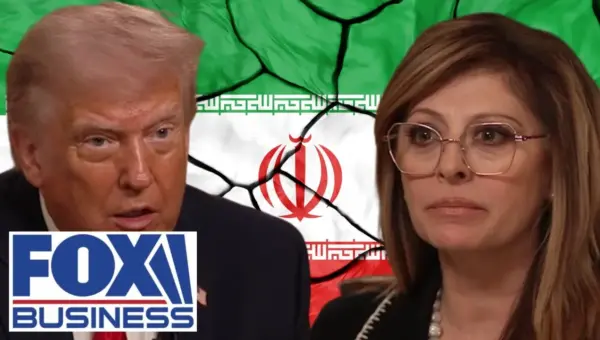
The U.S. blockade on Iranian ports has spurred a significant market rally, with stocks reaching new highs and oil prices stabilizing. This economic pressure aims to prevent Iran from developing nuclear weapons and is expected to lead to a swift resolution of the conflict. Investors are optimistic about the resilience of the U.S. economy.

Russian CEOs Criticize Putin’s Grip on Power
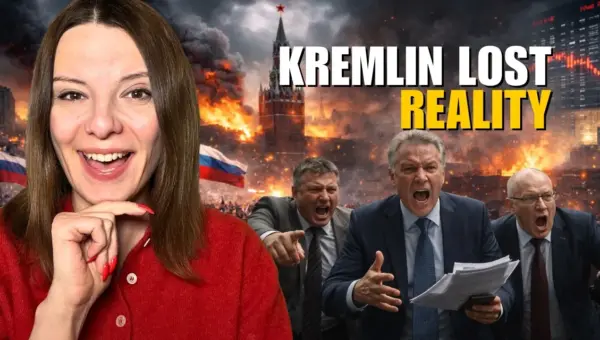
Russian business leaders and youth are expressing growing discontent with President Putin's leadership, citing economic woes and a disconnect from reality. The head of a chemical plant, Cherepovets Azot, directly criticized the Kremlin following a Ukrainian drone strike on his facility. This sentiment of pessimism about Russia's future is reportedly widespread among younger generations, who feel stifled by internet restrictions and economic hardship.