Punk Rock Rises: Minneapolis Protest Concert Challenges Political Landscape
The Dropkick Murphys' Minneapolis concert, framed as a memorial, emerged as a potent symbol of protest and civic engagement. This event highlights the enduring power of music as a tool for dissent and community solidarity in an increasingly polarized political climate.

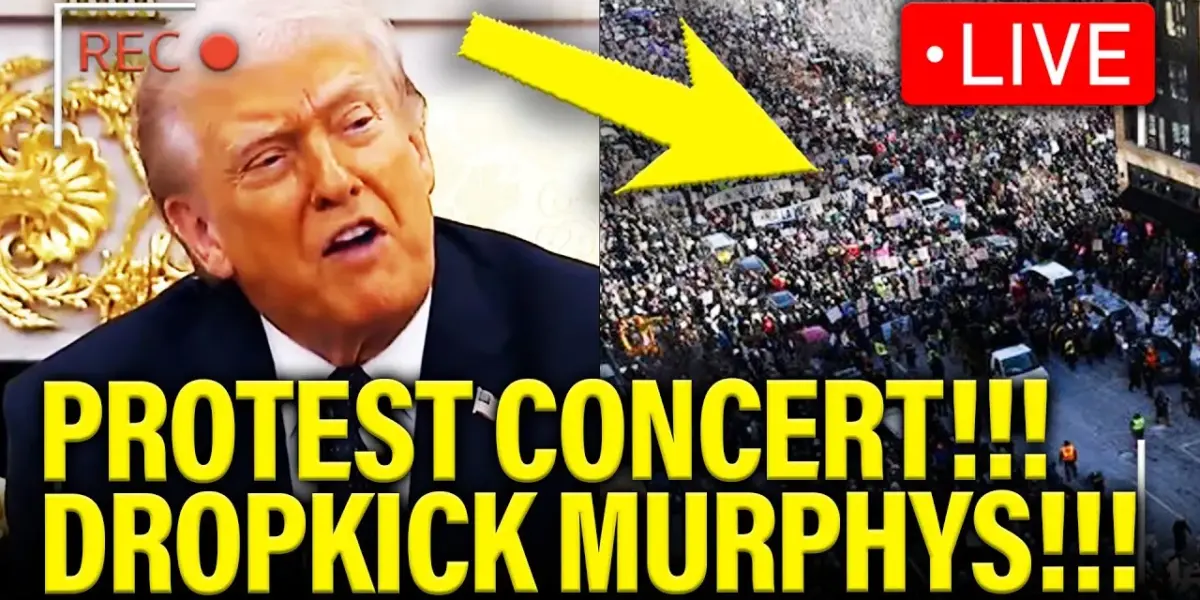
Punk Rock Rises: Minneapolis Protest Concert Challenges Political Landscape
At a time when political discourse often feels fragmented and partisan, the unexpected convergence of punk rock activism and public protest took center stage in Minneapolis. The Dropkick Murphys, an iconic punk band known for their energetic live shows and often socially conscious lyrics, held a live, free, acoustic memorial concert in the heart of the city. This event, ostensibly a tribute to Alex Pretti and Renée Good and the wider Twin Cities community, also served as a potent, albeit unstated, platform for dissent against the backdrop of a politically charged climate, with the timing and location suggesting a broader commentary on the current political landscape, particularly in relation to the Trump era.
A Concert with a Cause, or a Calculated Statement?
The event, presented by MeidasTouch, was framed as a memorial concert, honoring specific individuals and the community. The inclusion of a livestream, produced by Valor Media and the Save America Movement in partnership with the Unite For Veterans Coalition, indicated an ambition to reach a wider audience beyond those physically present.
While the stated purpose was remembrance and community solidarity, the choice of a public, free concert by a band with a history of engaging with social issues, and its promotion by a politically active media group like MeidasTouch, inevitably invites interpretation beyond mere commemoration. The very act of organizing such an event in a prominent public space, especially when preceded by the phrase “MASSIVE PROTEST Concert Against Trump ERUPTS in Minneapolis” in the original video title, signals a deliberate engagement with the political climate.
Historical Echoes of Music as Protest
The use of music as a vehicle for protest and social commentary is a well-established tradition. From the folk anthems of the 1960s that fueled the Civil Rights Movement to the punk and rock scenes of the 1970s and 80s that railed against war and societal injustice, artists have consistently used their platforms to voice dissent and rally support. The Dropkick Murphys, with their roots in working-class Irish-American heritage and a sound that often channels themes of resilience and defiance, are no strangers to this lineage.
Their decision to hold this concert, particularly in a manner that was live-streamed and promoted by politically aligned organizations, taps into this rich history. It suggests a belief that artistic expression, especially in a raw and accessible form like punk rock, can be a powerful tool to mobilize public sentiment and offer a counter-narrative to prevailing political forces.
The Role of MeidasTouch and Allied Organizations
The involvement of MeidasTouch is particularly noteworthy. Known for its politically charged content and its explicit opposition to the Trump administration, MeidasTouch’s role in promoting and potentially facilitating this concert highlights the event’s political undertones. Their reliance on tools like SnapStream for media monitoring and their active presence on social media platforms indicate a strategic approach to disseminating their message.
The partnership with the Save America Movement and the Unite For Veterans Coalition, while seemingly diverse, points to a coordinated effort to leverage different constituencies for a shared, albeit implicitly defined, purpose. This collaborative approach highlights a growing trend of organized political activism utilizing cultural events as a focal point.
Interpreting the “Eruption”
The word “ERUPTS” in the original video title is a powerful verb, suggesting an explosive and spontaneous outpouring of emotion and dissent. While the transcript itself describes a “live coverage” and a “memorial concert,” the framing implies that the event was more than just a quiet tribute. It suggests a gathering charged with energy, potentially fueled by the political climate and the desire to express opposition.
Whether this “eruption” was a direct, vocal denunciation during the concert or a more generalized expression of discontent through attendance and online engagement remains open to interpretation. However, the choice of such a strong descriptor indicates an intention to portray the event as a significant act of political expression.
Why This Matters
This event, regardless of its specific political messaging, highlights the enduring power of music and public gatherings as forms of civic engagement and protest. In an age of digital communication and often superficial online activism, a live, in-person event, amplified by a livestream, offers a tangible and resonant way for people to connect with a cause and express their views.
It demonstrates that even established musical acts can serve as catalysts for political dialogue and action. The involvement of various organizations suggests a sophisticated fusion of cultural events with organized political movements, a trend likely to continue as groups seek new and impactful ways to reach audiences and influence public opinion.
Implications, Trends, and Future Outlook
The Minneapolis protest concert can be seen as a microcosm of broader trends. It reflects the increasing intersection of entertainment and politics, where artists and cultural events are increasingly expected to take a stance on social and political issues. The use of livestreaming technology further democratizes access to such events, allowing for a wider reach and a more immediate impact.
As political polarization continues, we can anticipate more such events where music and activism coalesce. The success and impact of these gatherings will likely depend on their ability to resonate authentically with their audience and to translate collective energy into sustained engagement beyond the event itself. The future may see a greater integration of live performances with digital campaigns, creating multi-platform movements that leverage both the emotional power of music and the broad reach of online media.
The historical precedent of music as a tool for change, combined with the modern capabilities of media dissemination, positions events like the Dropkick Murphys’ Minneapolis concert as significant indicators of evolving protest tactics. They are not just concerts; they are statements, rallying cries, and potent reminders that art, in its most visceral forms, can indeed challenge the status quo and demand to be heard.
Source: LIVE: MASSIVE PROTEST Concert Against Trump ERUPTS in Minneapolis (YouTube)

Related Articles
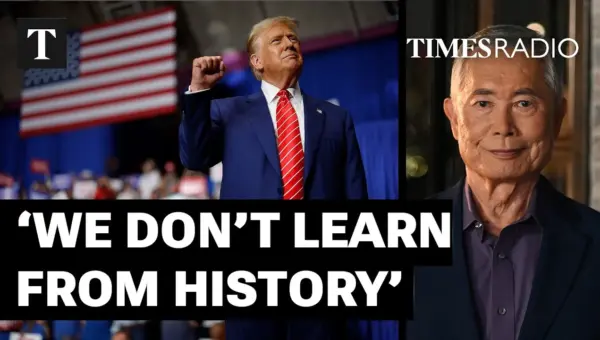
George Takei: Trump Is a ‘Menace to the World’
Actor George Takei has strongly criticized Donald Trump, labeling him a "fascist president" and a "menace to the whole world." Takei drew parallels between current American politics and the hysteria leading to Japanese American internment during WWII, emphasizing the dangers of repeating history. He also reflected on Star Trek's role in promoting social progress and his own journey as an activist.
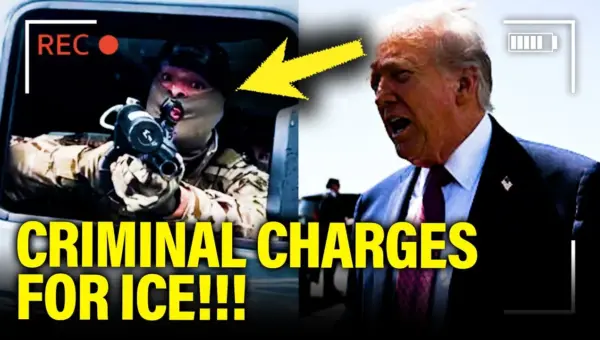
ICE Agent Faces Charges for Alleged Gun Threat
An ICE agent faces criminal charges after allegedly pulling a gun on civilians during a traffic dispute in Minneapolis. This marks a significant move towards accountability for federal agents accused of misconduct.

ICE Agent Charged in Minneapolis Gun Incident
A federal ICE agent faces two counts of assault with a dangerous weapon for allegedly pointing his gun at people in another car during a federal immigration crackdown in Minneapolis. This marks the first state charges against an agent from the "Operation Metro Surge." The case raises questions about federal-state law enforcement jurisdiction and the government's response to such allegations.