Cyber Warfare Escalates in Iran Conflict, AI Tools Spark Debate
The current conflict involving Iran is highlighting the growing importance of cyber warfare, with both state actors and hacktivist groups employing digital tactics. The Pentagon's exploration of AI for military data analysis has also sparked debate over privacy and autonomous weapons.

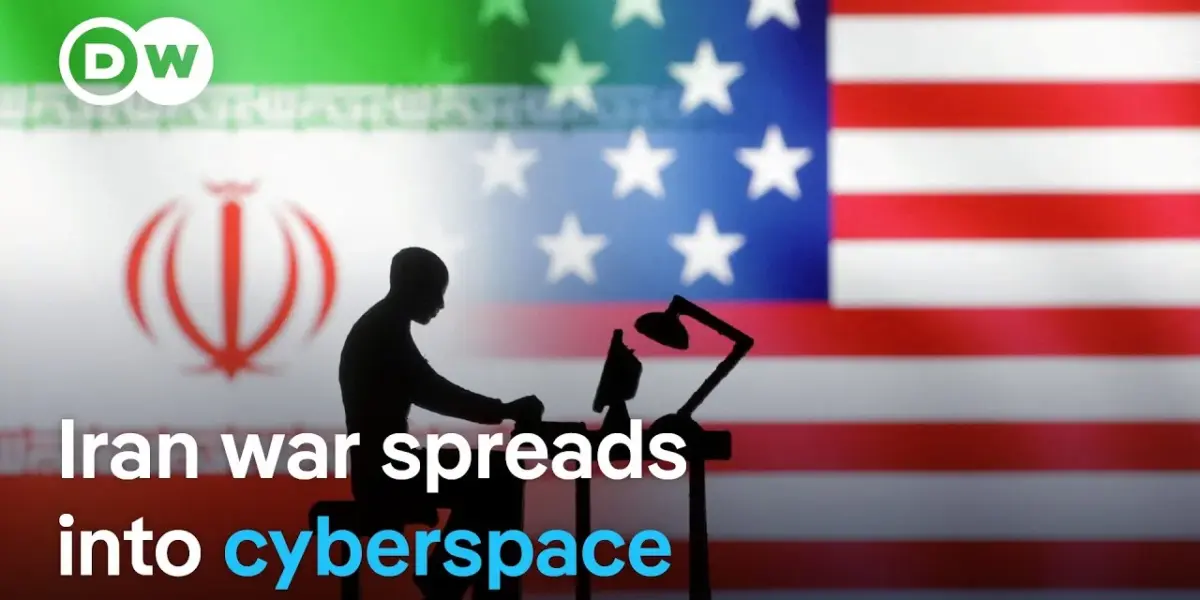
Digital Battlefield Emerges in Iran Conflict
The ongoing conflict involving Iran is increasingly showcasing the critical role of cyber warfare in modern conflicts. As military actions unfold, the digital realm is emerging as a significant battleground, with analysts anticipating cyber retaliation from Tehran alongside conventional military responses to attacks by the United States and Israel. This escalation highlights the rapid evolution of digital warfare tactics and the growing sophistication of state-sponsored cyber operations.
Pentagon Explores AI for Data Analysis Amidst Controversy
In parallel with the kinetic operations, the Pentagon has been actively exploring advanced digital technologies. The U.S. Department of Defense has been testing Claude, a chatbot developed by AI company Anthropic, intended to assist in analyzing vast quantities of military data. However, the integration of this AI tool has not been without controversy.
Just prior to the outbreak of hostilities, a dispute arose between Anthropic and the Pentagon concerning the potential use of Claude for mass surveillance of U.S. Civilians and in autonomous weapons systems. Anthropic reportedly refused these applications, prompting U.S. Defense Secretary Pete Hexath to deem the company a national security risk.
“I direct the department of war to accelerate America’s military AI dominance by becoming an AI-first warfighting force across all components from front to back,” Secretary Hexath wrote in a memo to military officials in January, underscoring a strategic push towards AI integration in defense.
Cyber Threat Expert Analyzes Conflict’s Digital Front
Rafe Pillig, Director of Threat Intelligence at cybersecurity firm Sophos, specializing in state-backed hacking groups including those linked to Iran, provided insights into the cyber activities surrounding the conflict. “The majority of the activity we’re seeing is focused on the activist side of things, which is typical when these kinds of conflicts break out,” Pillig stated. He noted a surge in communications from activist groups across various platforms, but observed a lack of directly Iranian-attributed cyber attacks thus far.
Activists and State-Sponsored Operations: A Blurring Line
Pillig explained that activist groups often employ tactics such as Distributed Denial of Service (DDoS) attacks, aiming to overwhelm websites and servers with traffic to render them inoperable. While chatter about such activities has been noted, claims of success are frequently exaggerated. Iran, however, is no stranger to sophisticated cyber operations, famously being the target of the Stuxnet worm, which significantly impacted its nuclear program by targeting industrial control systems.
The focus of cyber warfare often extends beyond direct military infrastructure. “The vast majority of attacks we see as an organization are not directly on military infrastructure,” Pillig elaborated. “A lot of our customer base is commercial organizations, charities, non-governmental organizations, and they receive a large volume of cyber attacks all the time.” He also highlighted that Iran has demonstrated a propensity for targeting industrial control systems, particularly in Israel, but has also been linked to global attacks, including on water treatment facilities in the U.S. and similar facilities in Europe and the UK.
Vulnerabilities and Defenses in Cyberspace
The sheer volume of potential targets and the often-vulnerable state of cyber defenses make many entities susceptible to attacks. Pillig acknowledged a wide spectrum of preparedness among organizations. However, he emphasized that with the right controls, investment in technical defenses, and robust processes, it is possible to defend against a broad range of cyber threats, including those from Iran and common cybercrime.
“It is absolutely possible to defend against Iranian attacks, common cybercrime, that whole spectrum there. So, it’s not that there is certainly no hope or it’s an impossible task, but it does require that regular commitment to that basic cyber hygiene and investment in those controls,” he advised.
The ‘Democratization’ of Cyber Warfare
Cyber warfare offers an asymmetric capability that does not necessarily require vast financial resources, a factor that draws nations like North Korea and Iran to invest heavily in these domains. “It democratizes it in that you don’t necessarily have to be rich to be effective,” Pillig noted, referencing reports of North Korean hackers being trained with rudimentary tools. While talent development and direction are crucial, the impact can be disproportionately large compared to a nation’s economic standing or conventional military strength.
Iran has been engaged in cyber attacks for over a decade and a half, possibly closer to twenty years, for various strategic and political reasons. These operations can be conducted by groups not directly affiliated with the government but acting as proxies, a tactic also observed in Russia. Such groups can operate on behalf of a state without being formal government entities.
State Defenses and Deceptive Tactics
Many nations operate national cybersecurity centers and authorities tasked with defending government infrastructure and providing guidance to the broader public and private sectors. However, the nature of activist groups, composed of individuals globally, presents unique challenges. Pillig identified two main categories of activists: genuine activists motivated by political or personal causes, often resorting to DDoS attacks or website defacements, and those employing activist personas or even cybercriminal personas as a deliberate tactic by governments.
Iran, in particular, is noted for utilizing this latter approach. By having an activist persona claim responsibility for an attack, states can mask their direct involvement and use such operations as a tool for propaganda and information warfare. A classic example cited was the 2022 attack on Albania, where a persona known as “Homeland Justice” targeted government departments, exfiltrated and released data, accompanied by a political message.
Broader Trends: Russia and Evolving Tactics
The discussion also touched upon Russia’s extensive investment in cyber capabilities, especially since 2022, with numerous pro-Russian activist groups actively probing European cyber defenses. These groups have targeted businesses and government entities perceived as “russophobic” or that have displeased Russia, as seen in the targeting of Italian businesses related to the Winter Olympics. The 2007 attack on Estonia served as a significant lesson, demonstrating Russia’s ability to use electronic attacks to supplement military operations, a strategy that has continued to be a feature of Russian military doctrine.
The invasion of Ukraine in 2022 saw Russia align cyber capabilities with kinetic forces, including an attack on European satellites aimed at disrupting Ukrainian forces. “So yeah, it is a big part of Russia’s military doctrine there,” Pillig confirmed.
Identifying Trends and Emerging Threats
Regarding trends in cyber attacks, Pillig highlighted common methods such as exploiting unpatched vulnerabilities in internet-facing services and servers, and the theft of credentials through phishing campaigns. “We routinely advise customers to make sure that they are up to date on their patching and their vulnerability management,” he stressed. While novel tactics occasionally emerge, leading to “never a dull moment in cyber threat intelligence,” many attacks, he noted, follow familiar patterns, simply evolving in their execution.
The evolving landscape of cyber warfare, intertwined with geopolitical tensions and rapid technological advancement, highlights the critical need for robust cybersecurity measures and constant vigilance across both governmental and civilian sectors.
Source: The role of cyber-warfare in the Iran war | DW News (YouTube)

Related Articles


Pentagon Plays Congress: UAP Video Blackout Continues
The Pentagon has missed a deadline to release classified UAP videos to Congress, fueling accusations of deliberate obstruction. Key lawmakers are calling this a constitutional crisis, questioning the government's transparency.
Markets Rally as Panic Fades, Banks Set Upbeat Tone
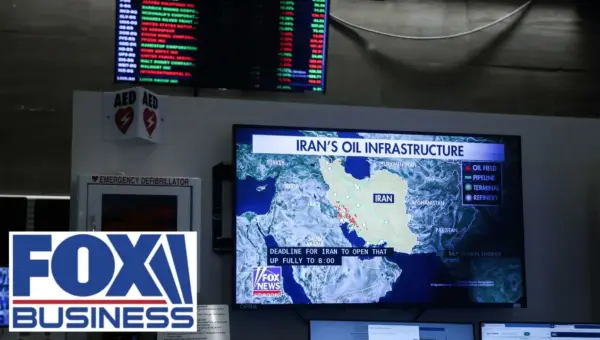
Stock markets have reached new record highs as investor panic subsides, bolstered by strong bank earnings and improving economic data. Strategists believe the market has found its bottom, with recent positive news easing concerns. The ongoing impact of AI is seen more as an opportunity for efficiency and new job creation rather than widespread disruption.

Trump Claims Strait Open, But Was It Ever Closed?
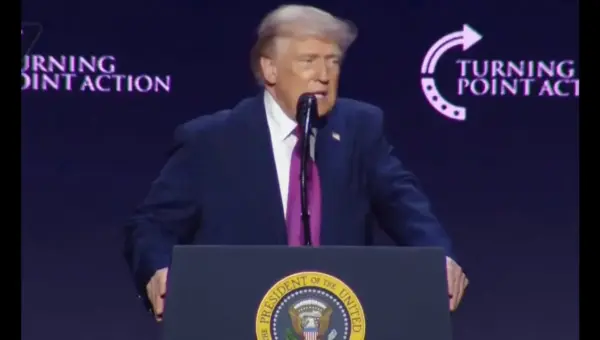
Donald Trump declared the Strait of Hormuz open, but critics question the actual gains given the conflict's cost. Reports from Iran contradict key claims, suggesting the strait may not have been fully closed. This situation raises concerns about accountability and the true impact of foreign policy decisions.