Iran Minister: Escalating Middle East Conflict Threatens Global Stability
Iranian Foreign Minister Mohammad Javad Zarif warned of escalating Middle East conflict threatening global stability in an exclusive interview. He urged diplomacy and restraint amid heightened regional tensions and discussed Iran's nuclear program and the impact of sanctions.

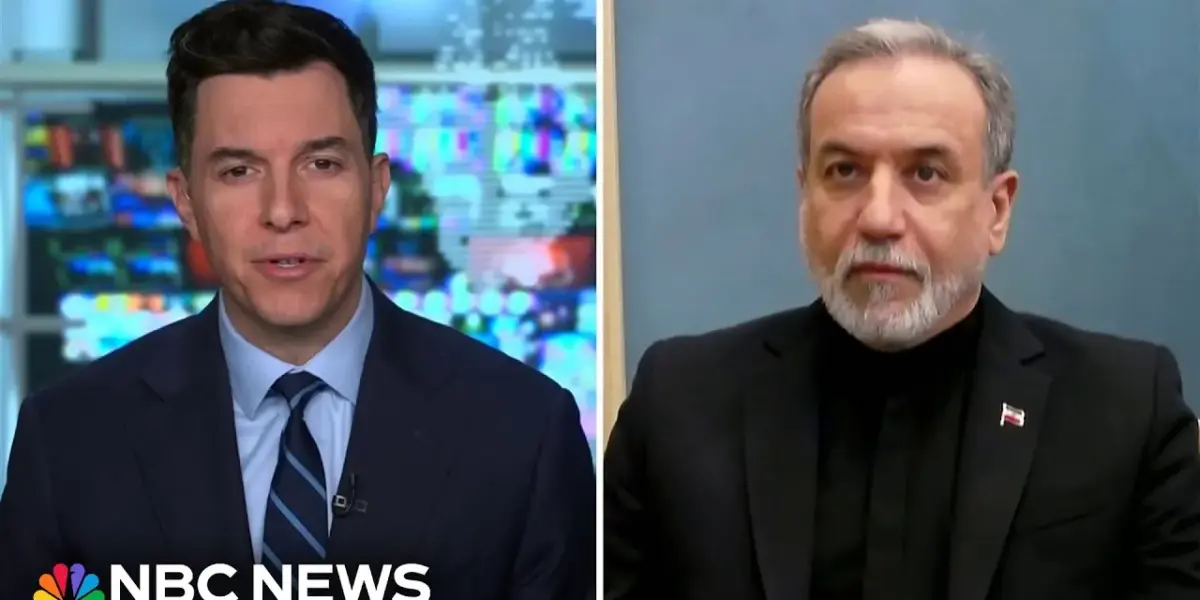
Iran’s Top Diplomat Warns of Widespread Instability Amidst Regional Tensions
Washington D.C. – In an exclusive interview with NBC News, Iranian Foreign Minister Mohammad Javad Zarif issued a stark warning regarding the escalating military operations in the Middle East, asserting that the current trajectory poses a significant threat not only to regional peace but to global stability. Speaking with Tom Llamas, Zarif detailed Iran’s perspective on the ongoing conflicts, emphasizing the potential for wider conflagration if diplomatic solutions are not prioritized.
De-escalation or Escalation: Iran’s Stance on Regional Conflicts
The interview, conducted amidst a backdrop of heightened geopolitical tensions, focused on Iran’s role and response to the burgeoning military activities across the Middle East. Foreign Minister Zarif articulated Iran’s position, suggesting that the current military posturing by various actors could inadvertently lead to a broader, more devastating conflict. He stressed that while Iran seeks to protect its interests and deter aggression, the ultimate goal is de-escalation and the avoidance of a wider war.
“We are concerned about the current escalation,” Zarif stated, as conveyed through the interview’s context. “The actions being taken are pushing us closer to a point of no return, and the consequences will be borne by everyone in the region and beyond.” He alluded to the complex web of alliances and rivalries that characterize the Middle East, warning that a localized incident could rapidly spiral out of control, drawing in multiple state and non-state actors.
The Nuclear Deal and International Relations
A significant portion of the discussion also touched upon Iran’s nuclear program and its relationship with international agreements, particularly the Joint Comprehensive Plan of Action (JCPOA), commonly known as the Iran nuclear deal. Zarif reiterated Iran’s commitment to the peaceful use of nuclear energy and its willingness to engage in dialogue to resolve outstanding issues. However, he also conveyed a sense of frustration with the current state of international diplomacy surrounding the deal.
“Iran has always been committed to its international obligations,” Zarif explained. “But we expect the same commitment from our partners. The current situation requires a return to mutual trust and respect for agreements.” He suggested that the path forward lies in constructive engagement and the lifting of sanctions, which Iran views as counterproductive and harmful to its people.
Economic Pressures and the Impact of Sanctions
The interview also clarify the severe economic pressures faced by Iran, largely attributed to international sanctions. Zarif highlighted how these sanctions not only impact the Iranian economy but also hinder the country’s ability to contribute to regional stability and humanitarian efforts. He argued that economic coercion is not a sustainable policy and often leads to unintended consequences, including increased radicalization and regional instability.
“Sanctions are a blunt instrument that harms ordinary people and does not achieve the intended political objectives,” Zarif contended. “We believe that economic cooperation and dialogue are far more effective tools for building peace and security.” He emphasized that Iran is seeking a path towards economic recovery and integration into the global economy, contingent on a resolution of the current geopolitical challenges.
Call for Diplomacy and Regional Dialogue
Throughout the interview, Foreign Minister Zarif made a strong case for diplomacy and direct dialogue as the primary means to address the escalating conflicts in the Middle East. He called upon all parties involved to exercise restraint and engage in constructive negotiations to de-escalate tensions and find lasting political solutions.
“The region is too important to be left to the whims of conflict,” Zarif asserted. “We need to find common ground and work together to ensure a peaceful and prosperous future for all nations in the Middle East.” He underscored Iran’s readiness to participate in regional security dialogues and to contribute to initiatives aimed at fostering stability and cooperation.
Looking Ahead: The Path to De-escalation
The interview with Iran’s Foreign Minister Mohammad Javad Zarif offers a critical insight into the Islamic Republic’s perspective on the volatile Middle East landscape. As regional tensions continue to simmer, the international community will be closely watching diplomatic efforts to avert a wider conflict. The coming weeks and months will be crucial in determining whether dialogue can prevail over confrontation, and if a sustainable path towards de-escalation can be forged.
Source: LIVE: Tom Llamas exclusive interview with the Iranian foreign minister | NBC News (YouTube)

Related Articles
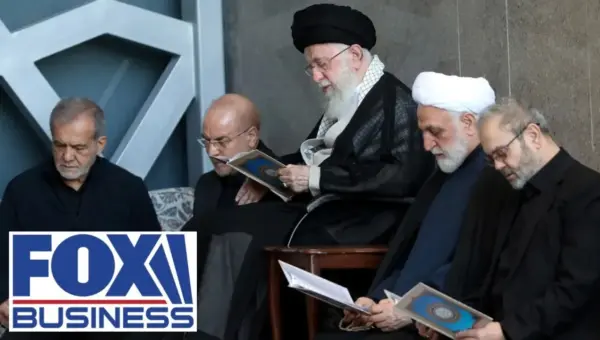
Iran Faces Economic Collapse Amid Trump’s Blockade Strategy
Iran faces severe economic pressure from a U.S.-led blockade, potentially leading to its collapse. Analysts believe President Trump's strategy of taking adversaries' threats seriously, combined with economic sanctions, is designed to force Iran's unconditional surrender on nuclear and regional issues.

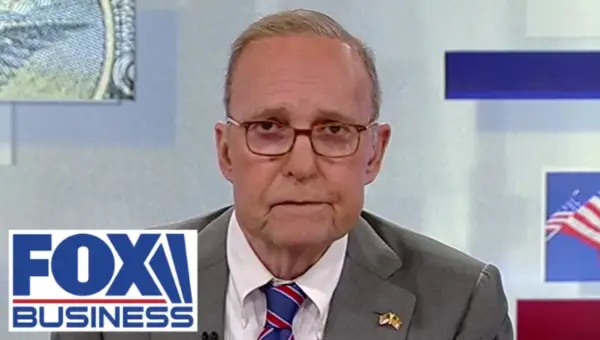
Trump’s Iran Policy Fuels Market Gains, Analysts Say
President Trump's strategy of imposing a crippling economic blockade on Iran is reportedly leading to its financial collapse and contributing to record highs in the stock market. Analysts suggest this decisive foreign policy, combined with pro-growth tax cuts, is creating a favorable environment for investors.

Trump Claims Iran Deal: A Leap of Faith or Risky Gamble?
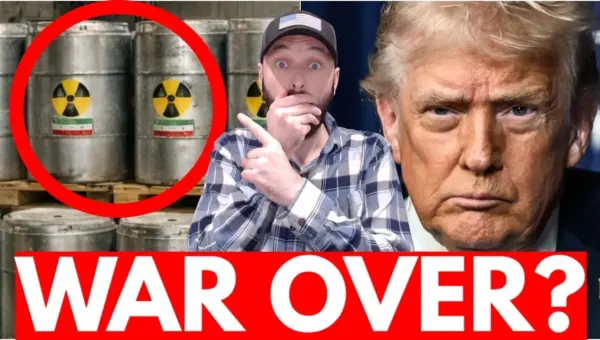
President Trump claims Iran has agreed to surrender its enriched uranium, potentially ending the war. However, skepticism remains high due to Iran's history of deception, and significant military movements suggest conflict is still a strong possibility. The situation is fluid, with verification and trust being key.