Trump’s Disrespectful Speech: Poll Slump and Bizarre Exit Overshadows White House Event
Former President Donald Trump's White House speech took a disrespectful turn, focusing on his poor poll numbers and election claims instead of honoring victims. The event concluded with Trump bizarrely wandering towards a locked door, sparking widespread commentary.

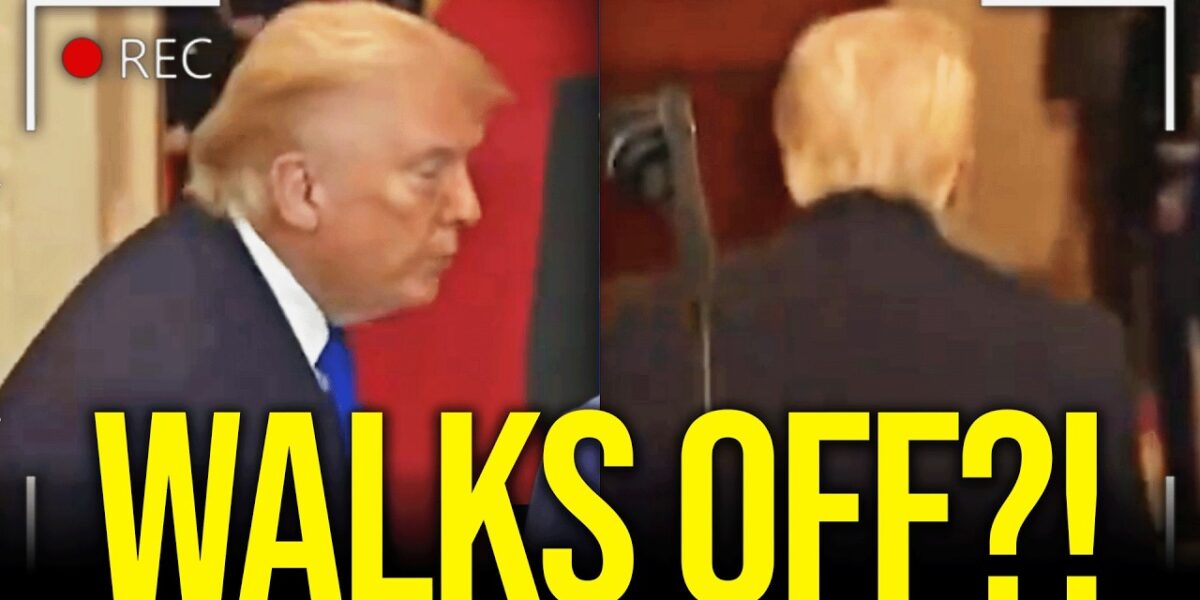
Trump’s White House Speech Marred by Poll Disaster and Unsettling Departure
A recent White House event intended to honor victims and their families took a jarring turn as former President Donald Trump delivered a speech that critics are calling deeply disrespectful, characterized by a focus on his own historically poor poll numbers and unsubstantiated claims of election rigging. The situation was further compounded by Trump’s peculiar exit from the event, where he appeared to wander aimlessly towards a locked door, an image that has drawn widespread commentary and concern.
A Speech Detour: From Commemoration to Campaign Grievances
The event, which was meant to be a somber occasion for national reflection and support for those affected by tragedy, was hijacked by Trump’s personal grievances. Instead of focusing on the intended purpose of the gathering, the former President reportedly veered into a lengthy discussion of his current political standing. This abrupt shift in tone and subject matter has been widely condemned as inappropriate and insensitive, especially given the presence of individuals who have experienced profound loss.
Plummeting Poll Numbers and the “Rigged” Election Narrative
Central to Trump’s address were his historically dismal poll numbers. Data presented by CNN, as reported by Adam Mockler of the MeidasTouch Network, indicated a significant crash in his approval rating, reaching a concerning -27 points. This sharp decline in public support, occurring within the context of a national event, has raised questions about his campaign strategy and his ability to connect with a broad electorate. Instead of addressing the reasons for this downturn, Trump reportedly resorted to his familiar narrative of a “rigged” election, a claim that has been repeatedly debunked and lacks credible evidence.
The decision to focus on personal political woes and unsubstantiated claims during an event dedicated to victims’ families is seen by many as a profound misjudgment. It suggests a lack of empathy and a prioritization of self-interest over the solemnity of the occasion. Political analysts have pointed out that such behavior can alienate potential supporters and reinforce negative perceptions of Trump’s character and leadership style.
A Troubling Exit: Wandering Towards a Locked Door
Adding to the strangeness of the event was Trump’s departure. Video footage and eyewitness accounts describe a moment where the former President, after concluding his remarks, seemed to lose his bearings. He reportedly began to wander away from the podium, not towards an exit or a waiting group, but towards a locked door. This visual has been interpreted in various ways, from a sign of confusion or disorientation to a symbolic representation of his political isolation.
The incident has fueled speculation about Trump’s mental acuity and his grasp on his surroundings. While his supporters may dismiss it as a minor gaffe, critics view it as emblematic of a broader pattern of erratic behavior. The image of a former President, at a significant national event, appearing lost and unsure of his direction, is a powerful one that is likely to resonate in the public consciousness.
Broader Implications for Political Discourse and Public Trust
The events of this White House speech underscore several critical issues in contemporary American politics. Firstly, it highlights the persistent challenges of maintaining decorum and respect in public life, particularly when political figures prioritize personal agendas over the gravity of the circumstances. The blurring lines between official duties and political campaigning, especially during events of national significance, raise concerns about the erosion of institutional norms.
Secondly, the reliance on unsubstantiated claims of election fraud, even in the face of overwhelming evidence to the contrary, continues to undermine public trust in democratic processes. This narrative, consistently promoted by Trump, has contributed to political polarization and can have dangerous consequences for the stability of democratic institutions.
Finally, the public’s perception of a leader’s demeanor and stability is crucial. The bizarre exit, whether intentional or not, feeds into existing narratives about Trump’s fitness for office and his overall stability. In an era where image and perception play a significant role in political success, such incidents can have a tangible impact on public opinion and electoral outcomes.
Expert Analysis and Public Reaction
Commentators and political analysts have weighed in on the significance of Trump’s speech and his subsequent exit. Adam Mockler, reporting for the MeidasTouch Network, emphasized the disrespect shown to the victims’ families and the inappropriate timing of Trump’s political rants. He highlighted the stark contrast between the intended purpose of the event and the content of Trump’s address, suggesting a fundamental lack of judgment.
Psychologists and political behavior experts have offered various interpretations of Trump’s actions. Some suggest that his focus on poll numbers and election integrity, even at an inappropriate moment, reflects a deep-seated insecurity and a need for external validation. Others point to the exit as a potential manifestation of cognitive decline or a sign of being overwhelmed, though such analyses remain speculative without direct medical assessment.
The public reaction has been largely divided, mirroring the broader political landscape. Trump’s base often views such incidents as media overblown or as evidence of the establishment trying to undermine him. Conversely, his opponents see these moments as further proof of his unsuitability for public office and a demonstration of his self-centered nature.
The Role of Media in Shaping Narratives
The reporting of this event by outlets like the MeidasTouch Network, which focuses on critical analysis of Trump’s actions, plays a significant role in shaping public discourse. The use of data, such as the CNN poll numbers, provides concrete evidence to support the narrative of declining support. The dissemination of video footage of Trump’s exit allows the public to form their own opinions, often influenced by the accompanying commentary.
The way in which different media outlets frame these events can have a profound impact on public perception. Some may focus on the perceived gaffe, while others may delve deeper into the potential psychological or political implications. This media ecosystem, with its varied perspectives and agendas, contributes to the ongoing debate surrounding Donald Trump’s political future and his impact on American society.
Conclusion: A Moment of Disrespect and Disorientation
Donald Trump’s recent White House speech will likely be remembered not for its intended purpose of honoring victims, but for its jarring detour into personal political grievances and its ultimately bizarre conclusion. The focus on historically bad poll numbers and unsubstantiated election claims, delivered at an event meant for national mourning, has drawn widespread criticism for its insensitivity. Coupled with the unsettling image of him wandering towards a locked door, the incident raises further questions about his judgment, demeanor, and suitability for public leadership. As the political landscape continues to evolve, such moments serve as stark reminders of the challenges to decorum, respect, and truth in public discourse.
Source: Trump Wanders Off After Getting Disaster News (YouTube)

Related Articles
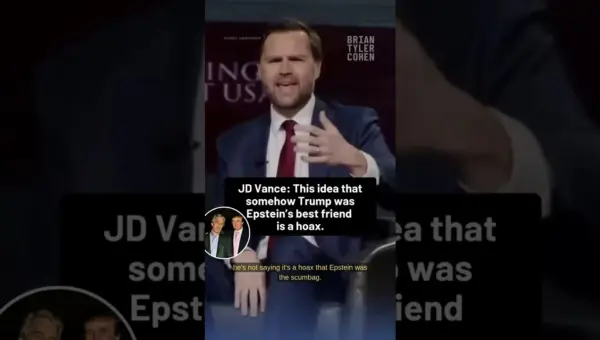
Vance Defends Trump: Epstein Friendship Claim Is A Hoax
Senator JD Vance asserts that claims of Donald Trump being close friends with Jeffrey Epstein are a "hoax." Vance cited emails suggesting a mutual dislike and even Trump reporting Epstein to authorities, arguing this refutes the "best friend" narrative pushed by Democrats.
Trump’s Allies Rebel: Conservatives Slam President’s Policies
Prominent conservative figures and lawmakers are openly criticizing President Trump's policies in 2026, signaling a growing divide within the movement. From Candace Owens questioning the Iran conflict to Senator Rand Paul challenging trade policy, a wave of dissent is challenging the president's agenda.
Trump Threatens Fed Chair Powell, Faces Nomination Blockade
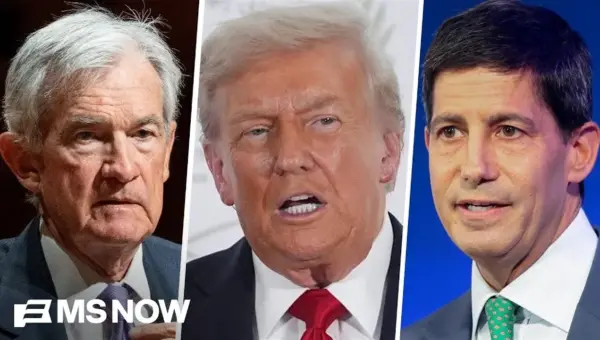
President Trump is threatening to fire Fed Chair Jerome Powell over a renovation probe, creating a political stalemate. Senator Tom Tillis is blocking Trump's nominee, Kevin Warsh, until the investigation concludes. Warsh himself faces scrutiny over his vast personal wealth, estimated between $135-226 million, raising conflict of interest concerns.