US Energy Dominance Strategy Squeezes Russia, Iran
A new US strategy of 'energy dominance' is reportedly squeezing Russia and Iran by leveraging American oil production to reshape global alliances. Analysts suggest this approach aims to cut off revenue for Moscow's war machine and neutralize Tehran's regional influence.

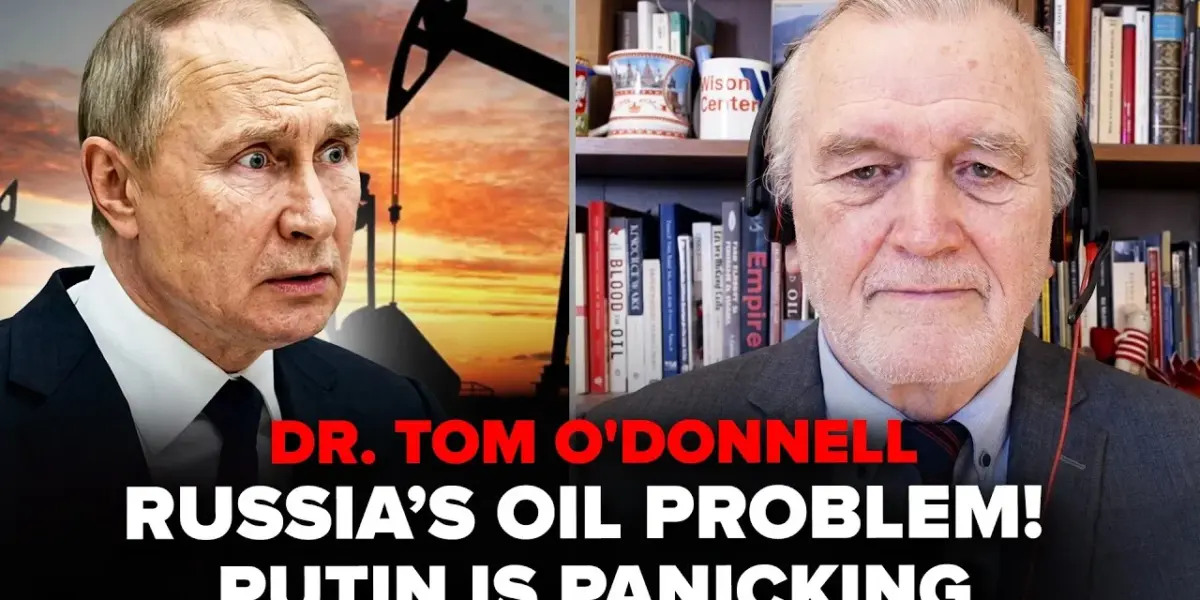
US Pivots to Energy Dominance Amidst Geopolitical Crises
In a rapidly shifting global energy landscape, escalating tensions in the Middle East and the ongoing conflict in Ukraine have brought Russia’s war machine under increasing pressure. Analysts suggest that the United States is strategically leveraging its oil and gas production to reshape geopolitical alliances and isolate adversaries, with Russia and Iran facing significant consequences.
Russia’s Oil Woes Amidst Middle East Tensions
While initial reactions to rising oil prices due to Middle East instability suggested potential benefits for Russia, a deeper analysis reveals a more complex picture. Dr. Thomas O’Donnell, an American energy and geopolitics strategist, explains that the current oil price, while having seen a recent jump, remains historically moderate compared to the spikes seen during the initial invasion of Ukraine. The real pressure on Russia, he argues, stems from a deliberate U.S. Strategy to cut off its oil export revenue, the primary funding source for its national budget and war efforts.
“The main way to inflict economic pain on Russia is to cut off their ability to export oil because this is the biggest contributor to their national budget and to their war budget,” Dr. O’Donnell stated. He detailed a two-pronged approach: increasing sanctions and tariffs to hinder Russian oil exports, and supporting Ukrainian strikes against Russian oil refineries and export terminals. This dual strategy aims to clog the system, preventing Russia from selling its oil to key markets like China and India.
US Grand Strategy: Energy as a Geoeconomic Lever
The broad strategy, according to Dr. O’Donnell, is rooted in the concept of “US energy dominance.” This initiative, championed by the Trump administration and supported by experts with deep ties to the oil and gas industry, seeks to utilize America’s vast energy resources as a significant geoeconomic and geopolitical tool. The aim is to reshape the global energy and geopolitical landscape, impacting not only the Middle East but also involving countries like Venezuela, Iran, Russia, China, and India.
“The United States has a great advantage globally in oil and I think they’re getting ready to use that against China,” Dr. O’Donnell elaborated. This strategy involves securing energy supplies for allies and disrupting the energy markets of rivals. The U.S. has actively worked to bring countries like Venezuela back online with Western-aligned oil production and is now focusing on Iran to prevent its oil from substituting for Russian oil in the global market.
Pressuring India and Isolating China
A key element of this strategy has been pressuring traditional buyers of Russian oil, notably India. Dr. O’Donnell highlighted how the U.S. Successfully compelled India, under Prime Minister Modi, to reduce its reliance on Russian oil, even leading to the seizure of Russian shadow fleet ships by the Indian Coast Guard. This move, alongside actions taken against Malaysia, further squeezes Russia’s limited export options.
The ultimate goal appears to be the increasing isolation of China, which is heavily dependent on international oil flows. By cutting off Russia and disrupting Iranian oil exports, the U.S. Aims to diminish China’s energy security and leverage.
“Trump’s thing is he would love to pull Putin away from Xi Jinping, so Xi Jinping is more and more isolated,” Dr. O’Donnell explained. The strategy is to demonstrate that if Russia does not agree to Western terms, its oil export capabilities can be dismantled, significantly weakening its economy and global influence.
Iran: A Strategic Target
The recent events in the Middle East, particularly the actions involving Iran, are seen as integral to this broader U.S. Strategy. Beyond preventing Iran from acquiring nuclear weapons, the U.S. Aims to neutralize its missile and drone programs, which are viewed as a significant threat to regional stability and U.S. Interests. Dr. O’Donnell suggested that the U.S. Objective is to alter the Iranian regime’s behavior, ensuring it operates within U.S.-defined rules regarding weapons and oil exports, rather than necessarily seeking immediate regime change.
“They want to alter the regime. They want to make sure that regime will still be some repressive not completely democratic regime but has a regime that will obey the American rules as far as weapons you know missiles nuclear and the oil sector,” he noted. If Iran does not comply, the U.S. has historically threatened to “bomb it back to the stone age,” a potential outcome if diplomatic and economic pressures fail.
Looking Ahead: A New Global Order?
The confluence of the war in Ukraine and the escalating Middle East crisis has undeniably opened a “Pandora’s Box” of geopolitical ramifications, as noted by Italian Prime Minister Giorgia Meloni. Dr. O’Donnell’s analysis suggests that the U.S. is proactively attempting to manage these aftershocks by consolidating its energy dominance and reordering global alliances. The coming days and weeks will be crucial in observing how Russia, Iran, and China respond to this intensified pressure and whether the U.S. Strategy succeeds in creating a more favorable global energy and geopolitical order.
Source: ⚡️Putin is losing! Kremlin war machine faces an oil crisis. Russia can no longer hold on (YouTube)

Related Articles

Trump’s Iran Policy Fuels Market Gains, Analysts Say
President Trump's strategy of imposing a crippling economic blockade on Iran is reportedly leading to its financial collapse and contributing to record highs in the stock market. Analysts suggest this decisive foreign policy, combined with pro-growth tax cuts, is creating a favorable environment for investors.

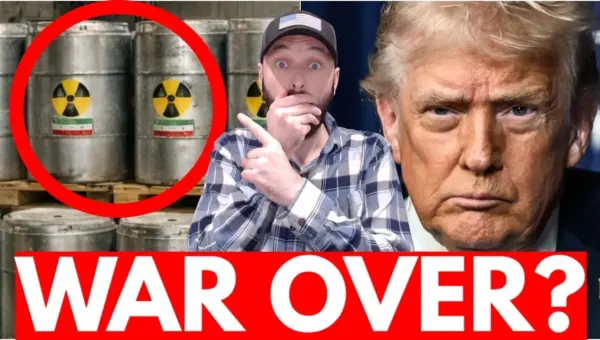
Trump Claims Iran Deal: A Leap of Faith or Risky Gamble?
President Trump claims Iran has agreed to surrender its enriched uranium, potentially ending the war. However, skepticism remains high due to Iran's history of deception, and significant military movements suggest conflict is still a strong possibility. The situation is fluid, with verification and trust being key.
Markets Rally as Iran Sanctions Tighten, Europe Faces Fuel Shortage
Markets are rallying strongly despite geopolitical tensions and a critical European jet fuel shortage. The U.S. has tightened sanctions on Iran, impacting its maritime trade, while prediction markets favor a resolution by May or June. Investors are advised to maintain a long-term view amidst this complex global environment.