Senate Blocks War Powers Curbs on Trump’s Iran Strikes
The U.S. Senate has rejected a measure that would have limited President Trump's war powers concerning military action against Iran. The vote highlights a deep partisan divide, with critics decrying a lack of congressional debate and public input on the escalating conflict.

Senate Rejects Limits on Trump’s War Powers Amid Iran Tensions
In a significant move that underscores a deep partisan divide on Capitol Hill, the U.S. Senate on Wednesday rejected a measure aimed at limiting President Donald Trump’s authority to launch further military actions against Iran. The vote occurred just five days after the U.S. and Israel initiated operations targeting Iran, a development that has ignited debate over congressional oversight and the executive branch’s war powers.
‘Contempt for the American People’
Critics of the administration’s actions voiced strong disapproval, characterizing the lack of a formal congressional vote or public discussion on the military engagement as a dismissal of the American populace. “There is no question this is war,” stated one critic, adding, “They have contempt for the American people because they think that they can carry out the biggest war in the Middle East since Iraq and Afghanistan without a single vote, without a single discussion in the public.”
This sentiment was echoed by those who believe Iran’s recent actions, including alleged attacks on U.S. Embassies, constitute a declaration of war. “Iran has attacked three of our U.S. Embassies in the last couple of days. Okay, those are sovereign territories of the U.S. they have declared war on us,” one perspective highlighted, framing the administration’s response as justified.
Partisan Divide on Capitol Hill
The Senate’s vote starkly illustrates a broader schism within Congress regarding military intervention. While a majority of Republicans have backed President Trump’s military actions, many Democrats advocate for requiring congressional approval for any escalation. The failed Senate measure sought to curtail the president’s ability to engage in further hostilities without explicit legislative consent.
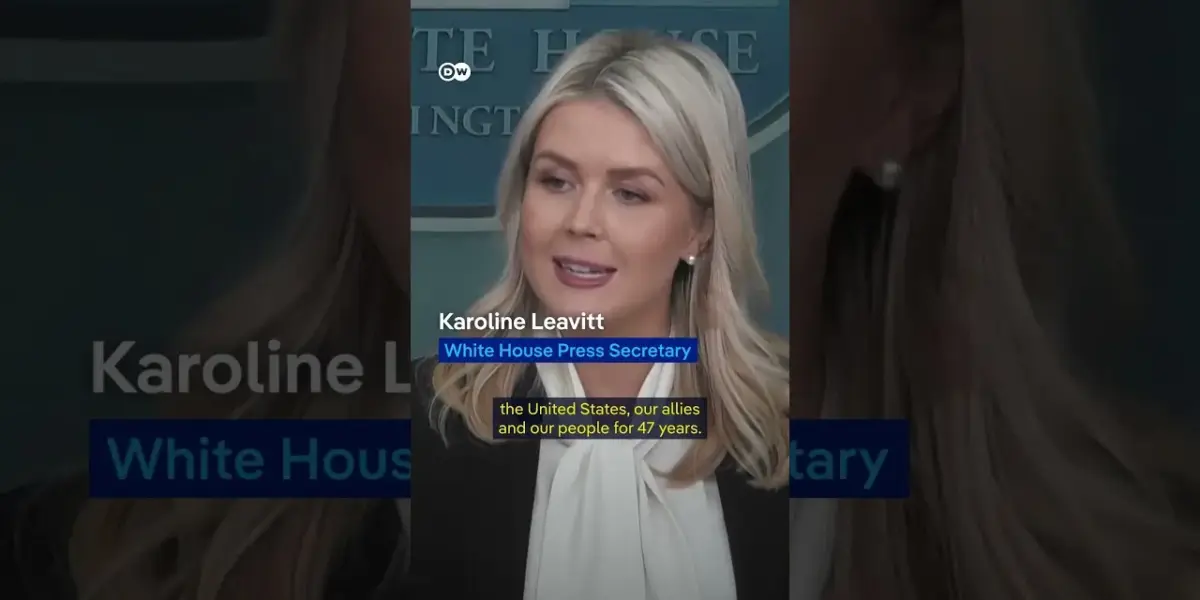
The White House, however, maintains that the administration’s actions are necessary and supported by the American public. A spokesperson asserted, “Again, this is a rogue terrorist regime that has been threatening the United States, our allies, and our people for 47 years, and the American people are smart enough to know that.”
Public Opinion Remains Divided
Despite the administration’s claims, public sentiment appears to mirror the divisions seen in Congress. Americans themselves express mixed feelings about the escalating conflict.
Some voice concerns about the potential for a prolonged engagement and the associated risks to American lives. “My concern is that it could be more of a I would say more of a long-term engagement and the risk of American lives is not appropriate,” shared one individual.
Others, however, believe the military action was long overdue, citing Iran’s decades-long history of regional and global terrorism. “I actually think this is significantly overdue,” stated another, while acknowledging the grim reality of war. “I do feel the Ayatollah and the terrorism across the Middle East is very bad.
So I’m not sorry to see the uh missiles and the uh drones that are attacking all the other places eradicated. Am I happy there’s a war? No.”
Recent polling data suggests that a majority of Americans do not support the strikes, with only about one in four approving of the military action. A significant portion either disapprove or remain undecided.
The ‘Endless Wars’ Paradox
The current situation raises a critical question: will public opinion shift as the situation evolves? This is particularly poignant given President Trump’s 2016 campaign promise to end what he termed “endless wars.” The administration’s decision to engage in military operations against Iran, without a clear congressional mandate and amidst divided public opinion, appears to contradict that pledge, setting the stage for continued debate over U.S. Foreign policy and the president’s role in initiating military conflict.
What’s Next?
As tensions remain high, attention will now turn to potential future actions by the administration and any further attempts by Congress to assert its oversight role. The long-term implications of the U.S. military engagement in Iran, both domestically and internationally, will undoubtedly be a focal point in the coming weeks and months.
Source: US Senate blocks congressional curbs on Trump's war powers | DW News (YouTube)

Related Articles

Judge Dismisses Trump’s Lawsuit, Cites Lack of Proof
A Florida judge dismissed Donald Trump's $10 billion defamation lawsuit against the Wall Street Journal, citing a lack of evidence of malicious intent. The judge allowed Trump a chance to refile with an amended complaint, but proving malice may be difficult given the verified nature of the reported facts.


China’s Stealth Radar Fuels Iran’s Air Defense Threat
Reports suggest China may be supplying Iran with advanced radar systems designed to detect US stealth aircraft. This potential transfer, if confirmed, escalates regional tensions and challenges existing air defense assumptions. The situation unfolds amidst ongoing US naval operations and a recent ceasefire in the region.

House Speaker Blocks Iran War Vote, Budget Chaos Ensues
House Speaker Mike Johnson blocked a vote on a war powers resolution concerning Iran, drawing criticism for limiting congressional oversight. The debate highlights a lack of transparency in war spending, with officials unable to provide clear cost estimates. This, alongside ongoing budget disputes and concerns over surveillance, signals a challenging period for fiscal responsibility and democratic checks and balances.