Iran’s Historic Golestan Palace Damaged in Reported Air Strikes
Iran's historic Golestan Palace, a UNESCO World Heritage site, has reportedly suffered damage to its windows, mirrors, and doors due to reverberations from alleged US-Israeli air strikes in central Tehran. The incident highlights the vulnerability of cultural landmarks amidst escalating regional conflicts.

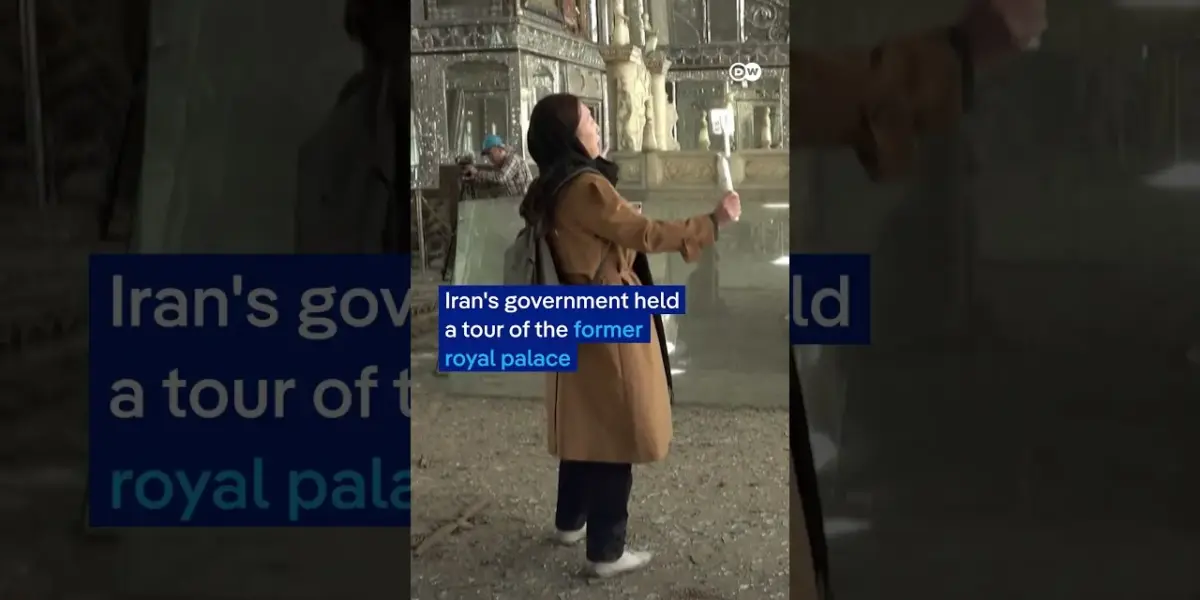
Golestan Palace Suffers Damage Amidst Tehran Air Strikes
Tehran, Iran – Iran’s famed Golestan Palace, a UNESCO World Heritage site and one of the capital’s oldest historical landmarks, has reportedly sustained damage following alleged US-Israeli air strikes on central Tehran. While no direct hits on the palace have been confirmed, Iranian media reports indicate that reverberations from nearby explosions caused damage to windows, mirrors, and doors within the historic complex.
A Palace of Kings, Now a Target?
Golestan Palace, meaning “Rose Garden Palace,” is a complex of buildings that was once the seat of power for the Qajar dynasty and later the Pahlavi dynasty. Its construction began in the 16th century, and it has undergone numerous renovations and additions over the centuries, reflecting a rich mix of Persian architecture and art. The palace complex is renowned for its intricate tilework, ornate mirrors, and stunning marble structures, making it a significant symbol of Iran’s cultural heritage.
The reported damage, though seemingly minor at this stage, raises concerns about the vulnerability of invaluable cultural sites during escalating regional tensions. The palace, a major tourist attraction and proof of Iran’s rich history, has stood for centuries, witnessing the rise and fall of empires. The possibility of it being affected by military actions, even indirectly, highlights the devastating collateral impact of conflict.
UNESCO’s Role and Protective Measures
In response to the ongoing conflicts in the region, UNESCO, the United Nations Educational, Scientific and Cultural Organization, has taken steps to safeguard World Heritage sites. The organization has reportedly sent the coordinates of World Heritage List sites to the warring parties. This proactive measure aims to alert combatants to the presence of these globally significant locations, urging them to exercise restraint and avoid actions that could lead to their destruction or damage.
“UNESCO says sent coordinates of World Heritage List sites to warring parties.”
This initiative highlights the international community’s commitment to preserving cultural heritage, recognizing its universal value that transcends national borders and political conflicts. However, the effectiveness of such measures in preventing damage during active hostilities remains a critical challenge.
Broader Implications and Regional Tensions
The alleged air strikes and the reported damage to Golestan Palace come at a time of heightened geopolitical tensions in the Middle East. The region has been grappling with a series of interconnected conflicts, and any escalation involving major powers or significant regional actors carries the risk of wider implications, including the potential endangerment of cultural and historical sites.
The deliberate or accidental targeting of cultural heritage sites is a violation of international humanitarian law and is widely condemned. Such acts not only result in the loss of irreplaceable historical artifacts and architectural marvels but also inflict deep wounds on the cultural identity and collective memory of nations and peoples.
What’s Next?
As the situation unfolds, the international community will be closely watching for further developments regarding the extent of the damage to Golestan Palace and the response from Iranian authorities and international bodies. The incident is a clear reminder of the fragility of cultural heritage in times of conflict and the ongoing need for robust diplomatic efforts to de-escalate tensions and ensure the protection of sites of universal value.
Source: Iran’s Golestan Palace damaged by bombing | DW News (YouTube)

Related Articles

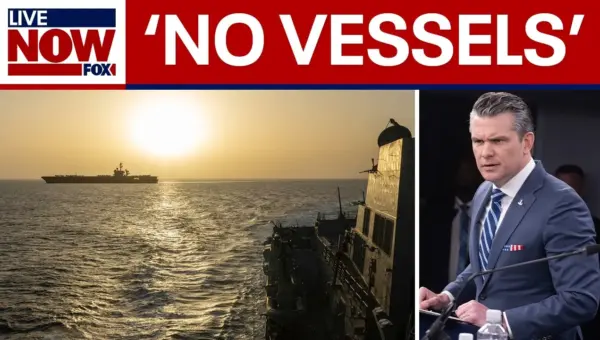
US Vows to Stop Any Ship Linked to Iran
The U.S. military is expanding its mission to intercept any ship linked to Iran, anywhere in the world. This move comes as a two-week ceasefire between the U.S. and Iran is past its halfway point. Tensions also remain high between Israel and Hezbollah in southern Lebanon.


US Troops Hungry Amidst Iran Tensions, Congress Questions Strategy
Reports indicate U.S. troops in the Middle East are facing hunger amid escalating tensions with Iran. While a ceasefire between Israel and Lebanon was announced, questions linger about its stability. Meanwhile, Congress is scrutinizing the Trump administration's strategy, troop welfare, and the potential politicization of military leadership.
US Blockades Iran’s Oil: Economic Fury Unleashed
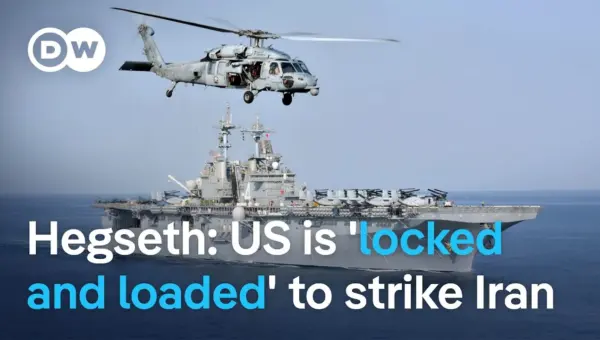
The United States has imposed a naval blockade on Iran's ports, intensifying economic pressure by targeting the country's vital oil exports. This move, part of "Operation Economic Fury," aims to cripple Iran's revenue streams and force concessions. Experts warn the blockade could severely choke off Iran's economy, impacting its ability to fund government operations and potentially leading to internal instability.