Nepal’s Gen Z Rises: Youth Demand Change in Landmark Election
Nepal's youth are taking center stage in a landmark election following last year's anti-corruption protests. Gen Z candidates are challenging the 'old guard,' demanding accountability and reform. The election's outcome could reshape the nation's political future.

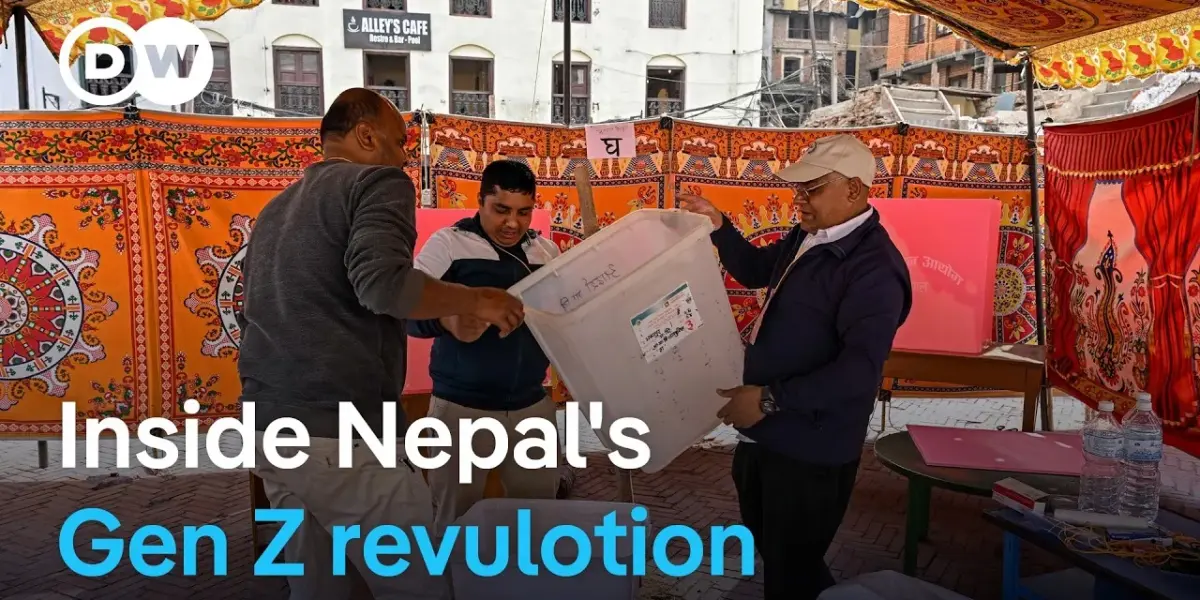
Nepal Votes Amidst Gen Z Uprising for Political Reform
Kathmandu, Nepal – Nepal is heading to the polls on Thursday for a pivotal election, marked by the unprecedented rise of a new political force: Generation Z. Mobilized by a brutal crackdown on anti-corruption protests last year, young Nepalis, many of whom are now running for public office, are challenging the established political order. With nearly half the nation’s population under the age of 30, the influence of Gen Z is compelling traditional parties to undergo a significant reevaluation of their strategies and platforms.
From Protest to Politics: A New Generation Steps Forward
The momentum for this election is not emanating from seasoned political heavyweights but from the streets. Kamal Sui, a prominent leader of the Gen Z movement, who was at the forefront of the protests that led to the government’s downfall last September, is now actively seeking votes as a candidate. “We started this Gen Z movement last year and will have to take it to its final conclusion,” Sui stated during the final day of campaigning in Kathmandu.
“By contesting this election as a Gen Z leader, it’s my duty to fight for the Gen Z demands as well as to fight for those who lost loved ones and were injured in the protests. That’s why I decided to participate in the elections.”
Sui’s campaign, like the broader youth movement, centers on key grievances: rampant corruption, high unemployment, and a demand for greater accountability. These were the same issues that propelled thousands of young Nepalis to protest against the established parties, often referred to as the “old guard.” The Gen Z movement is now directly confronting these entrenched political figures on their home turf.
The Shadow of Violence and the Fight for Justice
This election is the first since September 2025, when deadly anti-corruption protests culminated in a violent crackdown by security forces. Approximately 77 people were killed over two days as security forces opened fire on demonstrators. The shocking violence galvanized a new generation, transforming public anger into a potent political force.
Lokinder Kartka, a 25-year-old who sustained a gunshot wound to the leg during the protests, is now actively campaigning for Kamal Sui. “My hope is that all the young people who are contesting elections will definitely win this time and will defeat the old guard politicians,” Kartka said. “They’ve been ruling for two decades and we haven’t seen any development or progress in that time.”
Kartka, standing at the very spot outside parliament where he was shot, pointed to the lingering marks on his leg as a clear reminder of the events that shaped this campaign. The walls surrounding Parliament remain adorned with posters, bearing the faces of those who died, serving as a constant reminder of the brutal crackdown that continues to define the political landscape.
Challenges Ahead: Fragmentation and Co-optation
Despite the palpable energy and widespread support for change, analysts caution that translating protest momentum into sustained political power will be a formidable challenge. Prakash Niramal, a senior journalist who has closely followed Nepal’s political scene, noted the movement’s fragmented structure. “The biggest challenge the Gen Z will be facing in the day is, you know, they are totally disorganized.
They are splintered. They are going different paths.
There’s no way they can organize themselves. So chances are they might be co-opted by one or the other party,” Niramal observed.
For candidates like Kamal Sui and their supporters, however, this election represents more than just a political contest. It is a critical test of whether a movement born out of public outcry can successfully rebuild a nation and if the protesters of yesterday can indeed become the leaders of tomorrow.
Election Day and Broader Concerns
As election day dawns, the atmosphere in Kathmandu, according to DW correspondent Shiman Takos, is more calm than during the protest period. “The election campaign ended the day before yesterday, and we saw a long queue at the airports; people are going back to their villages to cast their votes,” Takos reported.
“We strolled through the streets of Kathmandu today and yesterday, and we saw the police presence there; we have also seen election commission vehicles. More or less, it’s a common, quiet situation.”
The demographics of Nepal, with over 40% of its population under 18, highlight the significance of Gen Z’s demands. Key issues resonating across the nation include persistent corruption, economic stagnation, and the urgent need for transparency and good governance. A significant demand from youth groups is the expedited investigation into the September 8th massacre, with a commitment to push for justice under any new government.
Interestingly, even established parties, including Maoist and communist factions, have publicly voiced support for Gen Z’s agenda, reflecting the demographic shift’s undeniable impact. While ethnic diversity is a hallmark of Nepal, with over a hundred recognized languages, the current election cycle has seen a remarkable convergence around the Gen Z narrative. Areas like Jhapa, in eastern Nepal, have become focal points, hosting prominent figures from various political spectrums campaigning for or alongside young leaders.
Analysts are predicting a hung parliament, suggesting a potentially complex political landscape following the election. The pressing challenges for any incoming government will be to address the deep-seated issues of corruption and economic development, while navigating the expectations of a newly empowered youth demographic.
Looking Ahead
The outcome of Nepal’s election will be closely watched as a bellwether for youth political engagement in the region. The ability of Gen Z candidates to secure seats and influence policy, coupled with the established parties’ responses to their demands, will shape Nepal’s trajectory in the coming years. The nation stands at a crossroads, with the potential for significant political transformation driven by its youngest generation.
Source: Nepal to vote in first election since Gen Z-led protests | DW News (YouTube)

Related Articles

Congress Faces Reckoning: Expulsions Expose Deep-Seated Corruption
Congressional expulsions are exposing alleged misconduct and taxpayer-funded cover-ups, raising calls for greater accountability. Efforts to reveal 'slush funds' for settlements are facing resistance, but public pressure is driving some transparency. This moment could signal a crucial shift towards ethical governance in Washington.


Young People Seek Faith: Is Religion Making a Comeback?
A recent survey suggesting a surge in young people's interest in religion was later retracted due to data concerns. However, anecdotal evidence and strong sales of Bibles and religious books indicate a genuine curiosity among younger generations about faith and spirituality.


Catholic Church Sees Youth Surge Amid Religious Stability
Young Catholics are filling churches like Saint Joseph's in New York City, creating vibrant communities both online and in person. While national data shows a long-term decline in religious affiliation, recent surveys indicate a period of stability, possibly influenced by the COVID-19 pandemic. Content creators are playing a key role in connecting younger generations with their faith.