Beyond the Potholes: Exposing the Reality of China’s Infrastructure and Societal Challenges
This article scrutinizes the often-idealized portrayal of China presented on social media, arguing that it masks significant issues. It delves into infrastructure failures, human rights concerns, and economic realities, challenging the narrative promoted by influencers and state-backed media. The piece urges critical evaluation of online content regarding China, highlighting a perceived information war waged by the Chinese government.


The Illusion of Progress: Unpacking China’s Infrastructure and Societal Realities
At a time when social media often dictates public perception, a critical look at the narratives surrounding China is more important than ever. A recent viral video and accompanying transcript have ignited a conversation, challenging the glossy image often presented by state-sponsored media and certain online influencers. The core argument is that a pervasive, albeit fictional, “shill pill” is responsible for individuals promoting an unrealistically positive view of China, ignoring significant, ongoing issues ranging from crumbling infrastructure to human rights concerns.
Infrastructure Woes: Beyond the Tourist Facade
The transcript paints a starkly different picture of China’s infrastructure than what is often showcased. While acknowledging China’s rapid development, it highlights a concerning trend of poorly executed construction projects. The author recounts personal experiences from a 2019 motorcycle journey across China, noting the prevalence of potholes and substandard road conditions outside of major urban centers.
This observation is juxtaposed with more recent events, including the collapse of a newly opened mall ceiling and, more alarmingly, the failure of three major bridges in 2025 alone. These incidents, the transcript argues, are not isolated but indicative of a systemic issue driven by the rapid, and often shoddy, pace of construction.
The narrative further debunks the idea that these issues are relics of the past, citing contemporary videos posted by Chinese citizens themselves that document cars being swallowed by massive potholes and other infrastructure failures. The author contends that despite efforts by authorities and certain influencers to suppress or downplay these problems, the reality on the ground for ordinary Chinese citizens is one of frustration and danger. This persistent infrastructure deficit, the transcript suggests, stands in direct contrast to the technologically advanced, utopian image frequently promoted.
Human Rights and Societal Issues: A Suppressed Narrative
Beyond infrastructure, the transcript digs into more serious societal challenges that it claims are actively suppressed by the Chinese government. A prominent concern raised is the issue of kidnapping and human trafficking.
The author posits that the government’s reluctance to address these problems stems from both international embarrassment and the alleged involvement of local authorities in such activities. The transcript draws a parallel between China’s criticism of Western issues like homelessness and gun violence, suggesting hypocrisy in its own failure to acknowledge and tackle its own significant problems.
The transcript details the plight of parents attempting to raise awareness for their missing children, only to face brutal suppression, censorship, and the destruction of their efforts. This suppression, it is argued, is part of a broader strategy to maintain a carefully curated image on the global stage. The author criticizes what they term “shill pill” adherents and influencers for ignoring these critical human rights issues, instead focusing on amplifying negative news about the West while presenting a flawless portrayal of China.
Healthcare and Economic Realities: Challenging the Communist Myth
The transcript also challenges the notion that China offers excellent, affordable healthcare. It presents a harrowing anecdote of an elderly man collapsing in a hospital hallway, ignored by staff and passersby, to illustrate a system where basic human compassion is lacking and medical care is prohibitively expensive.
The author asserts that healthcare costs are a leading cause of bankruptcy in China, directly contradicting the idea of a socialist utopia where citizens are well-cared for. The quality of medical care is described as substandard, based on the author’s alleged experience training doctors.
The narrative also debunks the idea that China’s economic progress is a direct result of communism. Instead, it credits Deng Xiaoping’s reforms and the embrace of capitalism, particularly the establishment of Special Economic Zones that attracted foreign investment.
The transcript argues that China’s economic miracle was fueled by Western capital and the permission to copy and undercut Western markets, rather than the inherent success of communist ideology. The portrayal of advanced technology, such as remote-controlled robots, is dismissed as a misleading representation, disconnected from the daily lives of the majority of the population.
The ‘Zero-Trust’ Society and Information Warfare
Perhaps one of the most striking claims is that China is a “zero-trust society,” contrary to the narrative of a high-trust environment where valuables are safe. The transcript points to the common practice of Chinese citizens wearing backpacks on their fronts as a visible indicator of pervasive theft.
Even temple offering boxes are cited as targets, underscoring a widespread lack of security and trust. This pervasive dishonesty, the author suggests, is a significant societal issue that is deliberately obscured.
A significant portion of the transcript is dedicated to what the author describes as a one-sided information war. It alleges that the Chinese government invests billions of dollars in using Western social media platforms (like X, Instagram, and TikTok) to spread propaganda and negative narratives about the West. These are the same platforms that are banned and inaccessible within China.
Meanwhile, any negative news originating from China is heavily censored and scrubbed from the internet. This creates a scenario where Chinese officials and their proxies can freely criticize and attack Western nations on their own platforms, while Chinese citizens are prevented from accessing such content or voicing similar criticisms domestically.
The Role of Data Brokers and Personal Security
Intertwined with the critique of China is a segment highlighting the dangers of data brokers and the importance of personal data security. The transcript features a sponsored message for a service called Incogn, which claims to combat data brokers who sell private information.
The author uses this as a personal segue, stating they are a target of the Chinese government and various other groups, necessitating the use of such services. This section emphasizes how personal data, gathered by brokers, can be exploited by malicious actors, including business competitors or jilted ex-partners, to uncover sensitive information like an individual’s whereabouts and financial status.
Call to Action: Questioning the Narrative
The transcript concludes with a strong call for critical engagement with information consumed online, particularly regarding China. It urges viewers to question every social media post about China, recognizing that much of it is likely fabricated, exaggerated, or outright propaganda.
The author encourages fact-checking seemingly outlandish claims, such as the absence of potholes in China, asserting that evidence to the contrary is readily available. The existence of large Chinese diaspora communities worldwide is presented as further evidence that many Chinese citizens seek to leave their home country, contradicting the idea that it is an ideal place to live.
Ultimately, the piece is a clear reminder that the digital landscape can be a powerful tool for shaping perceptions, and that a critical, discerning approach is essential when navigating information, especially concerning geopolitical narratives. The author implores readers to look beyond the curated images and question the stories being told, advocating for a more grounded understanding of the complex realities faced by China and its people.
Source: Do Not Take This Chinese Pill! You'll go Insane! (YouTube)

Related Articles


America’s Global Role: A Path Forward?
As global challenges mount, this analysis probes America's role and potential future paths. It examines the perception of U.S. influence on world events and calls for a more truthful, fact-based dialogue to shape responsible global engagement.

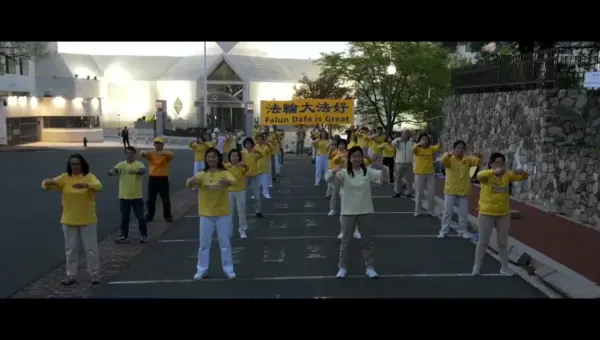
China’s Dark Secret: Peaceful Appeal Ignites Brutal Persecution
A peaceful appeal in China in 1999 sparked a brutal crackdown on Falun Gong practitioners. Over 10,000 gathered for freedom of belief, but faced arrest, torture, and even death. The persecution continues today, with disturbing reports of organ harvesting.


China’s Organ Harvesting: A Grim Reality Gains Attention
A chilling report reveals China's alleged forced organ harvesting from prisoners of conscience, including Falun Gong practitioners and ethnic minorities. Despite growing awareness, the international response remains muted, raising serious ethical and human rights questions.