Trump’s War Presser Unravels: Threats, Confusion, and Blame
A recent press conference reveals Donald Trump's chaotic approach to foreign policy, marked by contradictory statements on the Iran conflict, threats against allies like Spain, and a concerning lack of preparedness for civilian evacuations. The event highlighted a volatile leadership style with potentially destabilizing global implications.

Trump’s War Presser Unravels: Threats, Confusion, and Blame
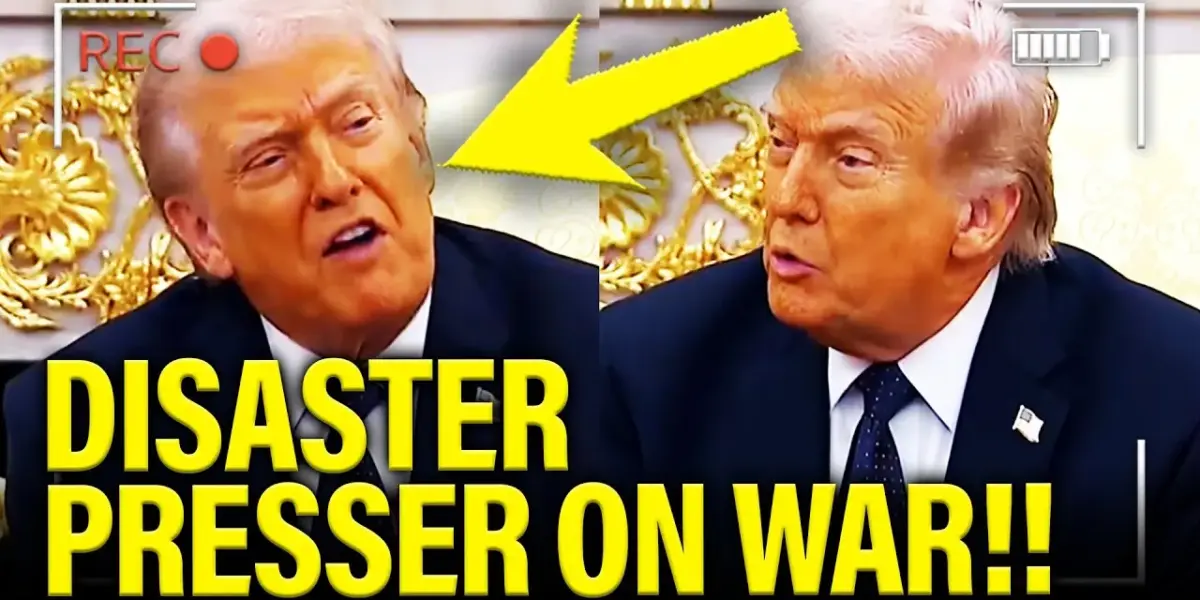
In a recent press conference held in the Oval Office alongside German Chancellor Friedrich Merittz, former President Donald Trump delivered a performance that has been widely described as chaotic and unhinged. The event, ostensibly to discuss a significant military operation in Iran, quickly devolved into a series of contradictory statements, aggressive threats against allies, and a perplexing lack of preparedness for the human consequences of the conflict.
A War Declared, Compliments Received
Trump opened the press conference by asserting that he had received an unprecedented number of compliments for the decision to attack Iran. “I have never had more compliments on something I did,” he stated, framing the action as something that “had to be done.” He dismissed concerns about potential short-term increases in oil prices, predicting they would soon fall lower than before. This assertion, however, stands in stark contrast to the unfolding realities of the situation.
Evacuation Failures and Shifting Blame
When pressed by reporters about the lack of an evacuation plan for thousands of stranded Americans in the Middle East, Trump admitted the situation was “all very quickly” and that his administration was “kind of caught off guard.” He attempted to justify the lack of preparation by claiming intelligence suggested an imminent attack on Israel and other regional partners. He suggested that his preemptive strike may have prevented a larger conflict, stating, “We attacked first and if we didn’t, it could have been…
We’re really decimating them. They’re being decimated.”
Further compounding the confusion, Trump pivoted to political blame, suggesting that if he hadn’t acted, figures like Senator Chuck Schumer would have criticized him for inaction. “If I didn’t do this, guys like Schumer, who are losers, the Democrats, they’re losers… Would say, ‘Well, uh, you should have done this.'” This deflection underscores a pattern of prioritizing political posturing over concrete policy and preparedness.
Threats Against Allies: Spain and the UK
The press conference took a decidedly hostile turn when Trump threatened to cut off all trade with Spain, including imposing embargoes. This punitive measure was apparently in response to Spain’s refusal to support the “unlawful invasion of Iran” and allow the use of its airspace by American forces. Trump invoked his perceived power, stating, “I could tomorrow stop or today even better, stop everything having to do with Spain.
All business having to do with Spain. Have the right to stop it. Uh embargos, do anything I want with it, and we may do that with Spain.” This aggressive stance against an ally highlights a transactional and often adversarial approach to international relations.
The UK also found itself in Trump’s crosshairs. He expressed dissatisfaction with the UK’s handling of a lease issue related to an island, which caused delays in landing operations.
He lamented the lack of what he perceived as decisive leadership, contrasting it unfavorably with Winston Churchill. This broad-based antagonism towards allies suggests a foreign policy characterized by personal grievances and a lack of strategic partnership.
Uncertainty on Post-Conflict Leadership and Contradictory Ammunition Claims
When questioned about potential leaders for Iran in a post-conflict scenario, Trump’s response was equally muddled. He indicated that individuals previously considered were now deceased, suggesting a “third wave” might emerge.
He then bizarrely pivoted to praising the situation in Venezuela, citing his administration’s intervention there as a model for maintaining government intact and securing oil resources. This comparison, drawn from a different geopolitical context, offered little clarity on Iran’s future.
Regarding the critical issue of ammunition supply, Trump made contradictory claims. While acknowledging warnings from generals and admirals about low munitions, he also asserted that the U.S. Possessed “unlimited” supplies.
He blamed President Biden for giving away too much ammunition to Ukraine, yet simultaneously insisted that the U.S. had plenty for its current operations. This inconsistency raises serious questions about the readiness and logistical capabilities of the U.S. military under his potential leadership.
Historical Context and the Iranian Nuclear Deal
Trump’s rhetoric also revisited his decision to terminate the Iran nuclear deal. He claimed that this action prevented Iran from obtaining a nuclear weapon, stating, “If I didn’t terminate that deal, they would be sitting with a massive nuclear weapon three years ago.” This perspective, while a core tenet of his foreign policy, ignores the complex debates surrounding the deal’s efficacy and the subsequent escalation of tensions in the region.
Why This Matters
This press conference, as depicted, reveals a concerning pattern of leadership characterized by defensiveness, a propensity for threats, and a striking disconnect from the practical realities of international conflict and diplomacy. The lack of clear planning for civilian evacuation, the aggressive stance towards allies, and the contradictory statements on military readiness all point to a volatile and unpredictable approach to national security. Such a demeanor, if indicative of future policy, could destabilize global alliances, exacerbate regional conflicts, and undermine the very security it purports to protect.
Implications, Trends, and Future Outlook
The events described suggest a continuation of a foreign policy that prioritizes unilateral action and transactional relationships over multilateral cooperation. The threats against Spain and the UK signal a potential fragmentation of alliances, which could embolden adversaries and weaken collective security. The confusion surrounding Iran’s future leadership and the contradictory claims about military capacity highlight a lack of strategic depth and a reliance on improvisation rather than well-defined policy objectives.
The trend towards isolationist rhetoric and an “America First” approach, if amplified, could lead to a significant reorientation of global power dynamics. Allies may seek alternative partnerships, and international institutions could face further erosion. The future outlook points to a potentially more fractured and volatile international landscape, where diplomatic channels are strained, and the risk of miscalculation in conflict situations is heightened.
Conclusion
The press conference described was more than just a communication breakdown; it was a window into a leadership style that seems to thrive on confrontation and eschew detailed planning. The assertions made, from receiving compliments for war to threatening allies and dismissing the need for evacuation plans, paint a picture of a presidency that operates on impulse rather than considered strategy. The long-term consequences of such an approach, particularly in the volatile Middle East, could be profound and deeply detrimental to global stability.
Source: Trump holds DISASTER PRESSER as War FALLS APART!! (YouTube)

Related Articles
GOP Rep Slams Democrats Over Iran War Powers Vote Tactics
House Republicans blocked a Democratic attempt to vote on limiting U.S. military action in Iran. Democrats are seeking Republican support for a war powers resolution. A GOP Congressman criticized the move as politically motivated interference with presidential authority.

2026’s First 100 Days: War, Royal Arrests, and Space Leaps
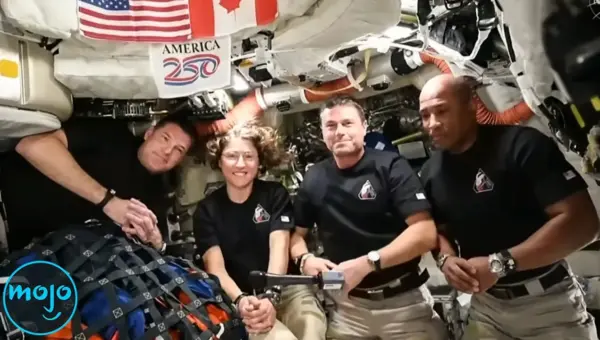
The first 100 days of 2026 were marked by a dramatic Iran War, the historic Artemis 2 space mission, and the surprising arrest of Prince Andrew. These events, alongside geopolitical crises and domestic unrest, defined a turbulent start to the year.
Trump’s Iran “Victory” Unravels Amidst Shifting Deadlines
Reports suggest a declared ceasefire with Iran was fictional, with ongoing conflict and a closed Strait of Hormuz. Critics argue Donald Trump's approach has failed, weakening the U.S. and resulting in a broken deal.