US General Warns of More Losses in Escalating Iran Conflict
U.S. military leadership has issued a stark warning about the ongoing conflict with Iran, with the Chairman of the Joint Chiefs of Staff General Dan Caine stating that the U.S. anticipates "additional losses." The acknowledgment comes amidst coordinated U.S. and Israeli strikes and signals a potentially prolonged and costly engagement in the Middle East.

US General Warns of More Losses in Escalating Iran Conflict
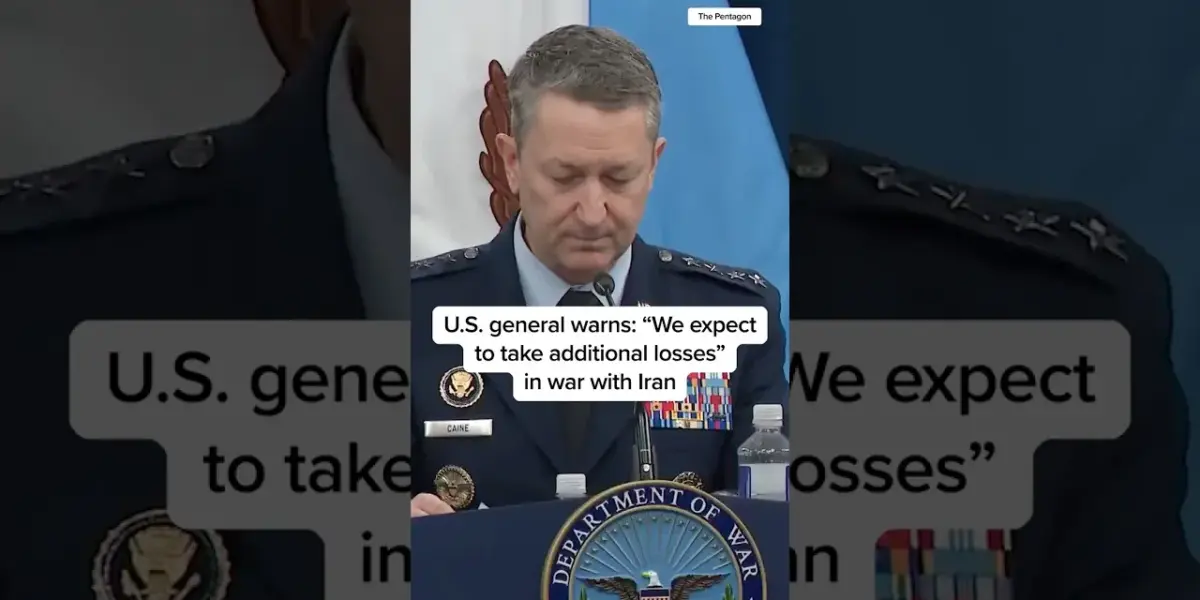
WASHINGTON D.C. – The top U.S. military official, Chairman of the Joint Chiefs of Staff General Dan Caine, issued a stark warning Tuesday, stating that the United States anticipates further casualties in the ongoing conflict with Iran. Speaking at a Pentagon press briefing following joint U.S. and Israeli strikes on Iranian targets, General Caine emphasized the protracted nature of the hostilities, declaring, “This is not a single overnight operation.” The candid assessment underscores the gravity of the escalating tensions in the Middle East and signals a potentially prolonged period of engagement.
Escalating Tensions and Strategic Strikes
The recent strikes, conducted in coordination with Israel, represent a significant escalation in the already volatile regional dynamics. While specific details regarding the targets and outcomes of these operations remain under review, General Caine’s remarks confirm a deliberate and sustained military posture rather than a limited, tactical engagement. The acknowledgment of expected “additional losses” suggests that the U.S. military is preparing for continued combat operations and anticipates facing significant resistance or encountering unforeseen challenges.
“We expect to take additional losses.”
General Dan Caine, Chairman of the Joint Chiefs of Staff
This statement from General Caine is particularly noteworthy as it deviates from the often-guarded language used in public military communications. By directly addressing the possibility of further casualties, the general appears to be managing expectations and preparing the American public and military personnel for a protracted and potentially costly conflict. The phrasing also implies a strategic understanding of Iran’s capabilities and its willingness to retaliate, necessitating a robust and sustained U.S. response.
Broader Implications for the Middle East
The ongoing conflict with Iran has far-reaching implications for the broader Middle East region. The United States has long been a key player in maintaining regional stability, often through military presence and diplomatic engagement. However, the current escalation risks further destabilizing an already fragile geopolitical landscape. Neighboring countries, already grappling with internal conflicts and economic challenges, now face increased uncertainty and potential spillover effects from the U.S.-Iran confrontation.
The involvement of Israel in the recent strikes adds another layer of complexity. The long-standing tensions between Iran and Israel are a primary driver of regional instability. Coordinated actions between the U.S. and Israel signal a unified front against perceived Iranian aggression, but also risk drawing other regional actors into the conflict. The potential for a wider war, involving multiple state and non-state actors, remains a significant concern for international observers.
Strategic Context and Future Outlook
General Caine’s warning comes at a critical juncture, as the U.S. navigates complex security challenges across the globe. The focus on Iran and the acknowledgment of expected losses highlight the strategic priorities and the perceived threats facing American interests in the Middle East. The Pentagon’s preparedness for sustained operations suggests a long-term strategy that extends beyond immediate tactical gains, aiming to deter Iranian aggression and protect U.S. allies and assets in the region.
The “additional losses” mentioned by General Caine could encompass a range of scenarios, from casualties sustained in direct combat to indirect consequences such as increased risk to military personnel and infrastructure. The transparency in acknowledging these potential outcomes signals a shift in communication strategy, likely aimed at fostering greater public understanding and support for the ongoing military efforts.
What to Watch Next
As the situation continues to unfold, all eyes will be on the strategic responses from both the United States and Iran. The coming weeks and months will be crucial in determining the trajectory of this conflict. Key areas to monitor include:
- Further retaliatory actions or de-escalation efforts from Iran.
- The U.S. military’s operational tempo and the nature of any subsequent engagements.
- The diplomatic efforts, if any, being undertaken by regional and international actors to mediate or de-escalate the situation.
- The impact on global energy markets and international shipping lanes, given the strategic importance of the Persian Gulf.
- The domestic political and public reaction within the U.S. to the potential for prolonged military engagement and increased casualties.
General Caine’s candid assessment serves as a critical reminder of the realities of modern warfare and the significant human cost involved. The anticipation of further losses underscores the seriousness of the current confrontation and the challenges that lie ahead in the pursuit of regional stability.
Source: U.S. general warns: 'We expect to take additional losses' in war with Iran (YouTube)

Related Articles

US Navy Blockade Tightens Grip on Iran’s Oil
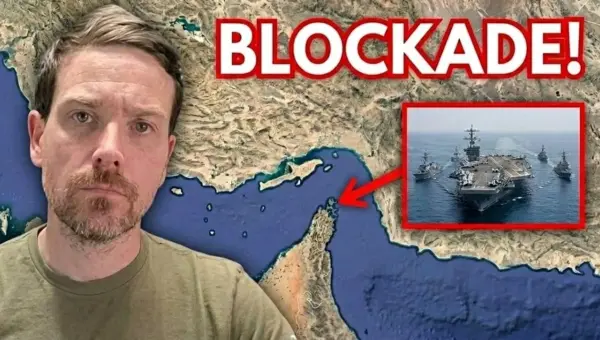
The US Navy has imposed a strict blockade on Iranian ports, aiming to cripple the nation's oil exports and economy. With warships enforcing the closure, Iran faces significant financial pressure. The long-term effectiveness and potential for escalation remain key concerns.
US Military Strength: Tactical Wins, Strategic Gaps?
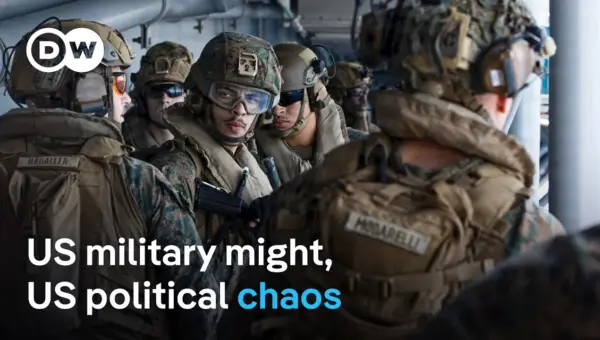
The U.S. military demonstrates incredible tactical skill, capable of executing complex missions. However, this prowess is often undermined by unclear political goals and shifting strategies set by civilian leadership. Experts argue that holding elected officials accountable for these decisions is crucial, as the military cannot compensate for flawed governance.


Trump’s Iran Deal Talk: A Mirror of His Own Desires?
Donald Trump's repeated claims that Iran "wants a deal very badly" might be more about his own desire for an agreement than Iran's. This analysis explores his rhetoric and its potential implications for foreign policy.