US Navy Blockades Strait of Hormuz Amid Talks Collapse
The U.S. Navy has imposed a blockade on the Strait of Hormuz following the collapse of U.S.-Iran ceasefire talks. The action aims to counter Iran's mining of the strait and its attempts to charge tolls on global shipping. This move significantly escalates regional tensions and targets Iran's primary revenue source.

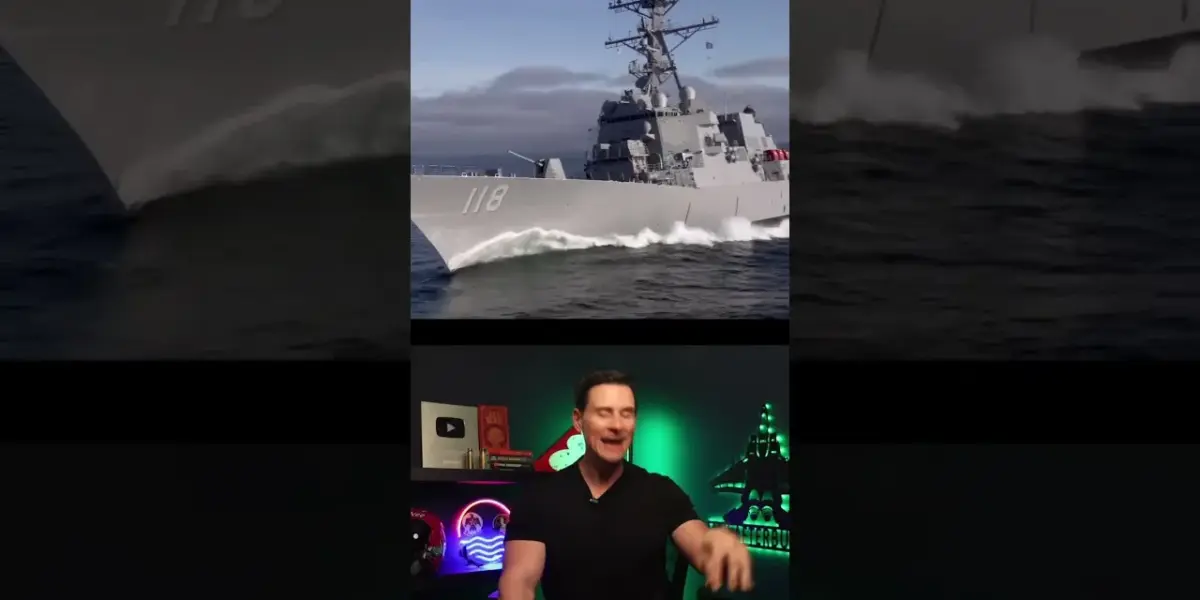
US Navy Imposes Blockade on Strait of Hormuz
In a dramatic escalation, the United States Navy has imposed a blockade on the Strait of Hormuz. This move follows the collapse of ceasefire talks between the U.S. and Iran in Islamabad. The 21-hour negotiations failed after Iran rejected a U.S. proposal regarding its nuclear weapons program.
President Trump announced the naval blockade, stating the U.S. is actively clearing mines in the vital waterway. Iran had been attempting to control global shipping by creating a minefield.
They were reportedly charging a toll to ships passing through the strait. This tactic forced vessels to sail closer to the Iranian coast, making them vulnerable to interdiction.
President Trump declared that the U.S. Navy would not allow this situation to continue. Any ship found paying the imposed toll will be intercepted by American naval forces.
U.S. P-8 Poseidon aircraft are currently conducting aerial surveillance over the strait, searching for mines. This operation aims to disrupt Iran’s revenue streams and ensure the free flow of global maritime traffic.
Strategic Implications
The Strait of Hormuz is a critical chokepoint for global oil transportation. Roughly 20% of the world’s oil passes through this narrow waterway daily.
Iran’s efforts to mine the strait and charge tolls were an attempt to exert significant economic leverage. By blocking this revenue source, the U.S. aims to pressure the Iranian regime.
This naval action could significantly impact Iran’s economy. It also carries the risk of further inflaming tensions in the region.
The U.S. believes this move could lead to internal divisions within the Iranian government. Analysts suggest that this blockade represents a significant turning point in the ongoing confrontation.
Historical Context
Naval blockades have a long history in international conflict. They are used to cut off an enemy’s supply lines and economic resources.
For example, during the American Civil War, the Union Navy blockaded Confederate ports to cripple its economy. In modern times, blockades can be declared by international bodies or by individual nations under specific circumstances.
The U.S. Navy’s P-8 Poseidon is a maritime patrol aircraft. It is equipped with advanced radar and sonar systems. This allows it to detect submarines, ships, and, crucially in this case, mines.
Its presence overhead provides vital intelligence for the blockade operation. The aircraft acts as the eyes of the naval forces below.
Geopolitical Impact
The decision to blockade the Strait of Hormuz has far-reaching geopolitical consequences. It directly challenges Iran’s regional influence and its ability to fund its activities.
The move also involves major global powers that rely on the strait for energy imports. The situation could lead to increased instability in the Middle East.
The collapse of ceasefire talks highlights the deep mistrust between the two nations. The U.S. stance suggests a hardening of its diplomatic and military approach.
The coming days will likely see increased military activity and diplomatic maneuvering. The situation remains highly volatile.
The U.S. Navy’s blockade is set to intensify before any potential de-escalation. This action is a direct response to Iran’s actions and the failed diplomatic efforts. The world watches closely as this critical maritime chokepoint becomes a focal point of international tension.
Source: U.S. Naval Blockade of Strait of Hormuz Is Legitimately INSANE (YouTube)

Related Articles

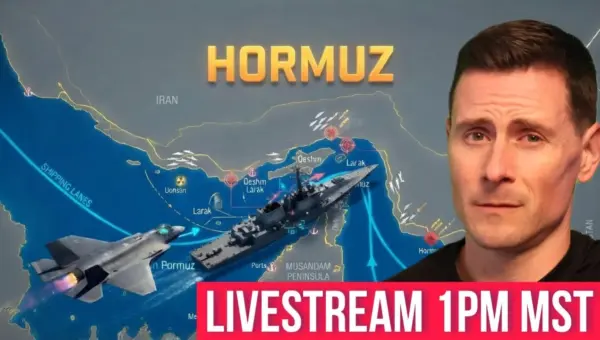
US Navy Blockade Hits Iran’s Oil Exports
The U.S. Navy has initiated a naval blockade of Iranian ports, targeting maritime traffic to cut off oil export revenue. This action follows failed peace talks and aims to exert economic pressure on Iran. The blockade highlights the strategic importance of the Strait of Hormuz and Iran's reliance on oil sales.


US Navy Tightens Grip on Iran in Strait of Hormuz
The U.S. Navy has imposed a naval blockade on Iran, cutting off access to its ports in the Strait of Hormuz. This action follows the collapse of nuclear talks and signals a major escalation in U.S.-Iran tensions. Iran has threatened retaliation against regional partners, raising fears of a wider conflict.


Hungary’s Orban Faces Ukraine War Questions
Hungarian Prime Minister Viktor Orban voted in a tense election, facing questions about his pro-Russia stance amid the Ukraine war. Polls show his party trailing a new challenger, Peter Magyar, as concerns about election interference linger.