US Warns Iran: Choose Deal or Face Blockade and Bombs
The U.S. military has issued a stark warning to Iran, urging the regime to choose a diplomatic deal or face a combination of naval blockade and targeted strikes. Admiral Bradley Cooper detailed Operation Epic Fury, highlighting U.S. military superiority and intelligence capabilities. The U.S. also criticized negative media coverage, praising troops' achievements.

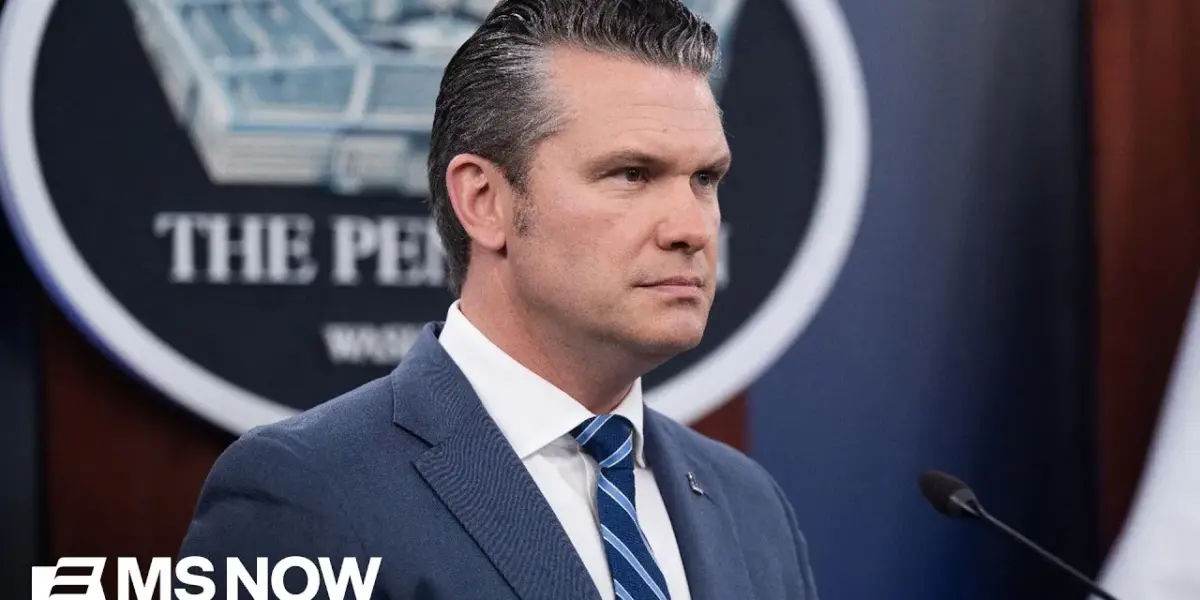
US Military Issues Stark Warning to Iran Amidst Operation Epic Fury
The United States military has issued a direct and forceful warning to Iran’s leadership, urging them to make a wise choice regarding a potential deal. Admiral Bradley Cooper, commander of CENTCOM, returned from the front lines after meeting with troops and allies.
He briefed officials on the latest developments in Operation Epic Fury. The message to Iran’s military, KH, and IRGC leadership is clear: the U.S. is watching and is prepared for any outcome.
Military Might and Intelligence Superiority Highlighted
Admiral Cooper emphasized the significant military advantage the U.S. holds, stating, “Our capabilities are not the same, our military and yours.” He warned Iran that their attempts to rebuild damaged facilities are futile, as they lack the industrial capacity to replace lost or destroyed assets. “You have no defense industry, no ability to replenish your offensive or defensive capabilities,” Cooper stated. In contrast, U.S. forces are becoming stronger, enhancing their power and intelligence gathering.
Naval Blockade Enforced in Strait of Hormuz
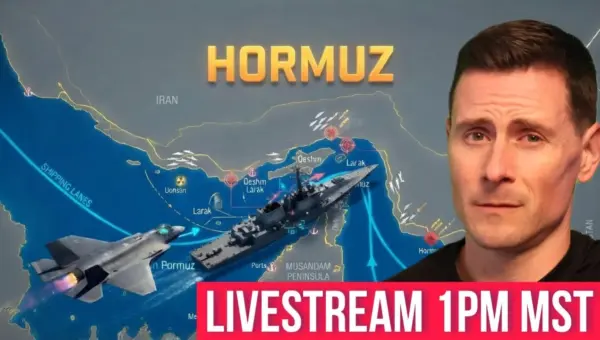
A key element of the U.S. strategy is an “ironclad blockade” aimed at preventing Iran’s energy exports. This blockade is described as a “polite way” to pressure the regime, with the potential for more severe actions if Iran does not comply.
Cooper asserted that Iran’s claims of controlling the Strait of Hormuz are false, lacking the necessary naval power and domain awareness. The U.S. Navy, he explained, controls traffic through the strait using less than 10 percent of its naval power.
“The United States Navy controls the traffic going in and out of the strait, because we have real assets and real capabilities.”
A Choice Between Prosperity and Destruction
U.S. negotiators have presented Iran with a choice: a prosperous future through a deal, or facing consequences. If Iran chooses poorly, the U.S. is prepared to implement a blockade accompanied by strikes on infrastructure, power, and energy targets.
The Treasury Department is also launching Operation Economic, indicating a multi-pronged approach to pressure the regime. The ultimate goal, officials reiterated, is to ensure Iran never obtains nuclear weapons.
Criticism of Media Coverage
During the briefing, a notable portion was dedicated to criticizing what was described as relentlessly negative and unpatriotic media coverage. Officials contrasted the press’s focus on perceived failures with historic successes achieved by U.S. troops and the current administration. The analogy of Pharisees from the Book of Mark was used to criticize journalists who, like the Pharisees of old, scrutinize good deeds only to find fault or advance their own agendas.
Praise for Military Personnel and a Final Plea to Iran
The U.S. military personnel were lauded for their courage, strength, and recent successes, including historic recruiting numbers for the Air Force and Space Force, which met FY26 goals five months early. Officials urged troops to stay focused and aggressive, assuring them of the nation’s backing. The address concluded with a final plea to Iran: “Choose wisely.” The hope is for a deal that benefits both the Iranian people and the world, while the U.S. military remains ready.
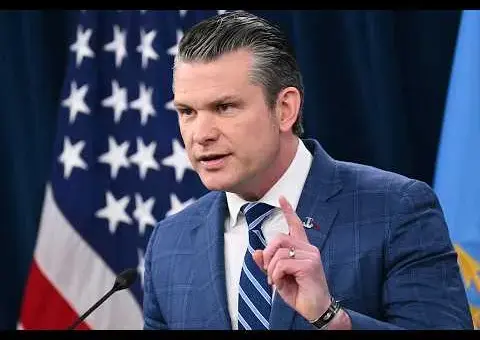
Source: Secy. Hegseth: We urge this new Iranian regime to choose wisely (YouTube)

Related Articles
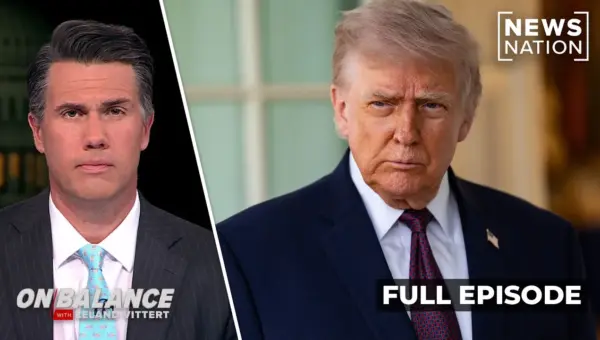
Trump’s Desperate Bid for a Win Amidst Global Tensions
President Trump is seeking a decisive win amidst a public feeling of unease and a complex foreign policy challenge with Iran. The Strait of Hormuz standoff and China's role add significant global tension. Analysts debate perception versus reality, while the upcoming midterms loom.
US Tightens Grip: Iran Faces Blockade and Economic Fury
The U.S. has implemented a naval blockade against Iran, crippling its energy exports and intensifying economic pressure. Officials state Iran's military is depleted, while the U.S. is stronger with superior intelligence. The operation aims to force Iran to choose between a diplomatic resolution or severe consequences.

US Navy Blockade Hits Iran’s Oil Exports
The U.S. Navy has initiated a naval blockade of Iranian ports, targeting maritime traffic to cut off oil export revenue. This action follows failed peace talks and aims to exert economic pressure on Iran. The blockade highlights the strategic importance of the Strait of Hormuz and Iran's reliance on oil sales.