Trump’s Desperate Bid for a Win Amidst Global Tensions
President Trump is seeking a decisive win amidst a public feeling of unease and a complex foreign policy challenge with Iran. The Strait of Hormuz standoff and China's role add significant global tension. Analysts debate perception versus reality, while the upcoming midterms loom.

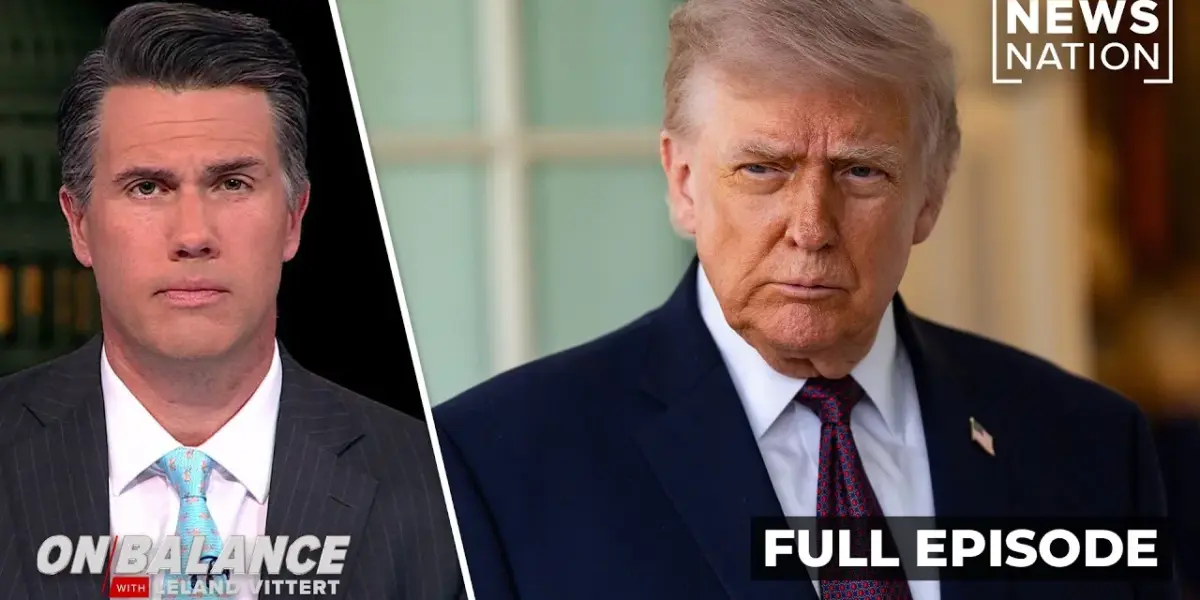
Feeling Out of Control: A Nation’s Anxiety
A widespread feeling of things being out of control has settled over America, impacting both the public and the presidency. This sense of unease is particularly sharp with the midterm elections just six months away. It creates a challenging environment for any leader, especially one seeking to project strength and stability.
Amidst this, President Trump appears to be desperately searching for a win, a moment that can define his legacy positively. While some economic indicators show strength, like the S&P 500 near record highs and lower-than-expected inflation, a crucial foreign policy issue remains unresolved.
The Iran Deal: A High-Stakes Gamble
The president claims Iran is eager for a deal, but objective observers suggest the opposite: Trump needs this agreement more than Iran does. With only 24% of Americans believing the ongoing conflict has been worth it so far, the pressure is mounting. The president’s public statements hint at renewed talks, yet the reality on the ground suggests Iran holds significant leverage.
Iran’s control over the Strait of Hormuz has effectively held the global economy hostage. This situation means any deal is likely to be on Iran’s terms, not America’s. The president is employing various tactics to distract from this, but they haven’t always landed as intended.
Distractions and Disconnects
A recent attempt to highlight tax benefits on tips through a staged DoorDash delivery backfired. Social media quickly pointed out that a senior citizen was working for DoorDash to make ends meet, highlighting economic struggles. Promised tax refunds were significantly less than initially projected, undermining the intended message.
These staged events, often seen as a sign of a White House losing its grip on the narrative, are not resonating. Some supporters, like Bill O’Reilly, are even suggesting Americans need to accept more sacrifice to fight Iran. This sentiment, however, seems out of step with a public more concerned about everyday issues like gas prices.
Perception vs. Reality in the Political Arena
The question of whether the Trump administration faces a perception problem or a reality problem is complex. While supporters may point to positive economic data, many voters feel the pinch of rising costs, especially for essentials like gasoline and housing. This disconnect between official reports and lived experiences fuels the sense of things being out of control.
Adding to this, political analysts note that President Trump’s brand is inherently chaotic. While this appealed to voters seeking an unconventional leader, it now seems many are questioning the extent of that chaos. The ongoing fallout from the Epstein files, even without direct evidence of wrongdoing, adds to a general feeling of unease that Democrats are keen to exploit.
The Iran Standoff and China’s Role
The situation in the Strait of Hormuz presents a critical challenge. The U.S. Navy has implemented a blockade, with Central Command reporting no ships entering or leaving Iranian ports. However, China, a major buyer of Iranian oil, is testing this blockade, calling it dangerous and irresponsible.
The potential for confrontation is real. If a Chinese vessel attempts to breach the blockade, the U.S. Navy faces a difficult decision: board and seize the ship, or risk escalation. This standoff highlights the intricate global dynamics at play, with China holding significant influence over Iran’s actions.
A Divided View on Democracy and Leadership
The recent defeat of Hungarian Prime Minister Viktor Orbán in a democratic election sparked debate about the health of democracy. While some celebrated it as a triumph of democratic principles, others argued that Orbán had already eroded democratic institutions during his tenure. This highlights a fundamental disagreement on what constitutes a healthy democracy.
The discussion also touched upon concerns that “fascism” is being cried too often by the left, potentially diminishing the impact when real threats emerge. Conversely, others pointed to actions by liberal movements, such as restricting free speech or siding with certain foreign powers, as potential overreaches that could be seen as undemocratic.
Why This Matters
The current political climate, marked by a sense of instability and a desperate search for wins, has significant implications. For President Trump, failing to secure a clear victory, particularly on the Iran issue, could severely damage his legacy and electoral prospects. The ongoing economic anxieties, coupled with foreign policy challenges, create a volatile environment.
The role of China in this global chess game is also crucial. Its relationship with Iran and its willingness to challenge U.S. actions in the Strait of Hormuz could escalate tensions. This dynamic highlights the interconnectedness of global economics and geopolitics, where actions in one region can have far-reaching consequences.
Implications and Future Outlook
Looking ahead, the midterms will be a key test of the current political mood. If the sense of unease persists and economic concerns are not addressed, it could lead to significant shifts in power. The effectiveness of President Trump’s strategies, whether focused on economic gains or foreign policy maneuvers, will be closely scrutinized.
The international stage also remains fraught with potential flashpoints. The U.S. blockade in the Strait of Hormuz, China’s involvement, and the broader U.S.-Iran relations are all factors that could shape future global security. The coming months will reveal whether the current administration can navigate these complex challenges and secure the wins it seeks.
Historical Context
The challenges in the Strait of Hormuz are not new. For decades, this vital waterway has been a point of tension, with various actors seeking to control or influence its passage. The U.S. military has long-standing plans and capabilities to ensure freedom of navigation, but the geopolitical landscape is constantly evolving.
The current situation also reflects a broader trend of rising global competition, particularly between the U.S. and China. This rivalry plays out in various arenas, from trade and technology to military influence in strategic regions like the Middle East. Understanding this context is key to grasping the complexities of the current standoff.
Looking Ahead
As the U.S. navigates these complex international and domestic challenges, the focus remains on securing tangible wins. The coming weeks will be critical in determining the trajectory of the Iran conflict and its impact on President Trump’s standing. The nation’s ability to feel a sense of control, both at home and abroad, will be a defining factor in the months to come.
Source: Trump looking for a win; China's card game | On Balance Full Episode 4/14 (YouTube)

Related Articles
Scandals Rock Congress Amidst Global Tensions
As the U.S. prepares for renewed talks with Iran and a historic diplomatic meeting occurs between Israel and Lebanon, Congress faces its own turmoil. Multiple lawmakers are resigning or under investigation amid serious allegations, raising questions about accountability and integrity.

US Tightens Grip: Iran Faces Blockade and Economic Fury
The U.S. has implemented a naval blockade against Iran, crippling its energy exports and intensifying economic pressure. Officials state Iran's military is depleted, while the U.S. is stronger with superior intelligence. The operation aims to force Iran to choose between a diplomatic resolution or severe consequences.
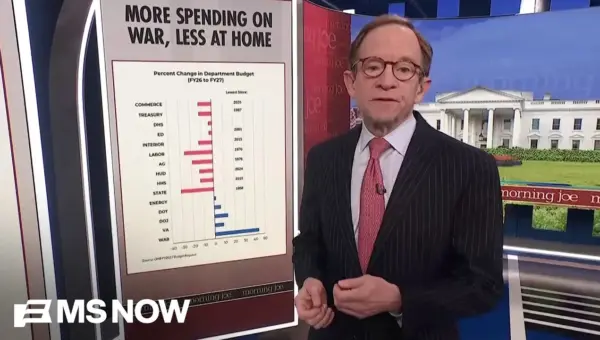
Trump Budget Slashes Domestic Programs, Boosts Defense
President Trump's new budget proposal calls for deep cuts to nearly all domestic agencies, including the Labor and Agriculture Departments, while significantly increasing defense spending. This plan aims for a dramatic restructuring of federal priorities, but relies on optimistic economic growth forecasts to project debt reduction. Analysts suggest the proposal could offer Democrats substantial campaign advantages in upcoming elections.