US Navy Maintains Ironclad Blockade on Iran
The U.S. Navy has implemented a strict blockade on Iran's ports, restricting all ship traffic to and from the country. This move is part of Operation Epic Fury, aimed at pressuring Iran to agree to a deal. Military officials emphasized readiness to resume combat operations if necessary and highlighted the strength of U.S. naval power and regional partnerships.

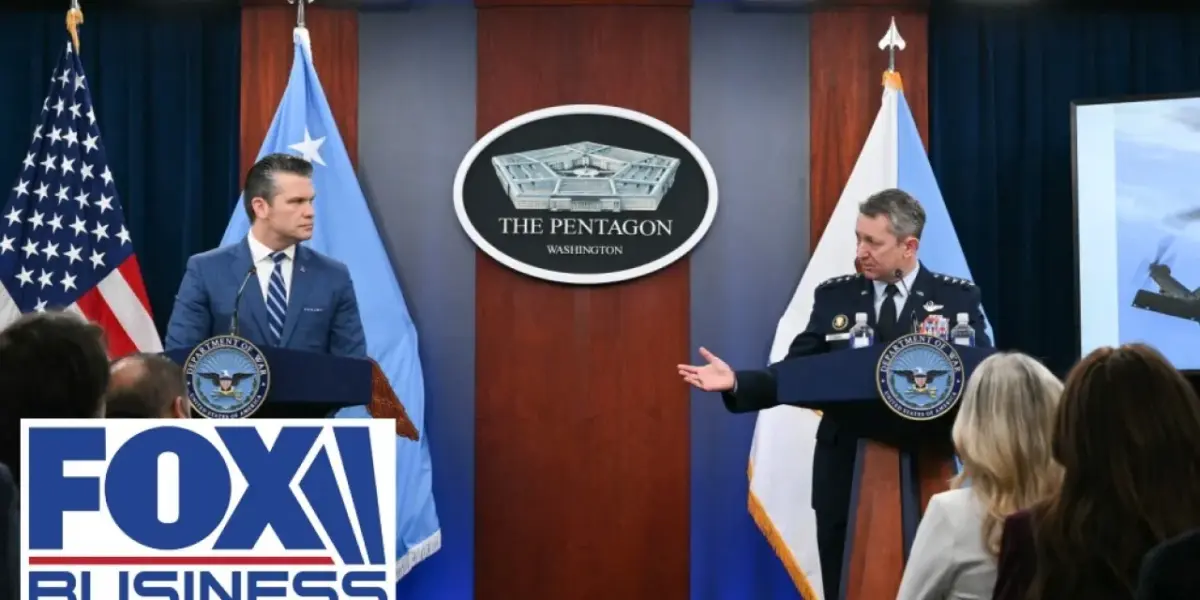
US Navy Maintains Ironclad Blockade on Iran, Warns Regime
The United States Navy is maintaining a stringent blockade on Iran’s ports and coastline, a critical move aimed at pressuring the Iranian regime to agree to a deal. This operation, dubbed Operation Epic Fury, involves over 10,000 sailors, marines, and airmen, utilizing more than a dozen ships and dozens of aircraft. The goal is to ensure that Iranian energy resources do not move, serving as a significant economic lever.
Admiral Bradley Cooper, Commander of U.S. Central Command (CENTCOM), recently returned from the region and briefed officials on the ongoing situation. He emphasized that the U.S. military is ready to restart combat operations instantly if Iran does not comply.
“We’d rather not have to do it, but we’re ready to go at the command of our president and at the push of a button,” stated a Pentagon official. The blockade is described as the “polite way” for this situation to resolve, with the alternative being “blockade and bombs dropping on infrastructure, power, and energy.” The U.S. is also launching “Operation Economic Fury” to maximize economic pressure.
Blockade Details and Enforcement
The blockade, which began on April 13th, targets all ships heading into or from Iranian ports, regardless of their nationality. Enforcement occurs within Iran’s territorial seas and international waters.
The U.S. military is also monitoring and pursuing any Iranian-flagged vessels or those attempting to provide material support to Iran, including “dark fleet” vessels carrying illicit oil. These dark fleet vessels are known for evading international regulations and sanctions.
Visuals from the operation show a blockade line, with U.S. forces in blue and Iranian ships in red. Initially, seven ships of concern were identified. Throughout the operation, warnings are issued to vessels attempting to breach the blockade.
“Do not attempt to breach the blockade. Vessels will be boarded for interdiction and seizure transiting to or from Iranian ports. Turn around or prepare to be boarded.
If you do not comply with this blockade, we will use force,” a U.S. Navy sailor transmitted. As of the briefing, 13 ships had wisely chosen to turn around before attempting to cross the line, with no need for boarding or seizure.
Naval Capabilities and Personnel
The backbone of the U.S. Navy’s surface fleet, Arleigh Burke-class destroyers, are at the forefront of this operation. These ships, over 500 feet long and displacing 9,000 tons, are equipped with a wide array of weaponry, including surface-to-air missiles, land-attack cruise missiles, and anti-ship missiles.
However, officials stressed that the most crucial asset is the American sailor. Over 300 warfighters serve on each destroyer, operating around the clock in a constant state of readiness, sometimes for months at sea.
The dedication and skill of these young sailors, some as young as 18, are highlighted. They are responsible for navigating these powerful warships through congested waters and making critical real-time decisions in the Combat Information Center.
These sailors are described as incredibly well-trained and trusted with deep responsibility, often likened to driving a sports car through a crowded supermarket parking lot. The article also paid tribute to fallen sailors, remembering Enson Robert Thompson, who died in the Battle of Okinawa in 1945.
Regional Partnerships and Iran’s Position
Admiral Cooper’s recent visits to the Middle East revealed strong partnerships with regional allies, including Bahrain, UAE, Saudi Arabia, Qatar, Kuwait, and Jordan. These nations are described as exceptional teammates, standing shoulder-to-shoulder with U.S. forces in maintaining regional security. Israel is also noted as a vital partner, with the four nations’ air forces working together to meet military objectives.
The U.S. military’s capabilities have been demonstrated through various operations, including fighter pilots taking out Iranian missile launchers, the use of advanced tactics and technology, and the deployment of drones. Iran’s command and control capabilities are described as highly degraded, but their motivation to maintain the ceasefire is high due to the understanding of the consequences of violation. The U.S. urges Iran to choose a prosperous future and a deal, emphasizing that they are “reloading with more power than ever before” and possess better intelligence.
Message to Iran and the Press
A direct message was sent to Iran’s military and IRGC leadership: “We’re watching you. Our capabilities are not the same.
Our military and yours. Remember, this is not a fair fight.” The U.S. highlighted Iran’s inability to replace or replenish its military assets, stating, “You have no defense industry, no ability to replenish your offensive or defensive capabilities.”
The officials also addressed the press, criticizing what they termed “endless stream of garbage” and “relentlessly negative coverage.” They contrasted this with the “historic and important success of this effort and the success of our troops,” drawing parallels to the Pharisees in the Bible who scrutinized good deeds to find fault. The U.S. military’s recent successes, including historic recruiting numbers for the Air Force and Space Force, are being overlooked, according to the speakers. The article concludes with a reiteration of the call for Iran to choose wisely, emphasizing the readiness of the U.S. military.
Market Impact
The ongoing blockade directly impacts global energy markets by restricting Iranian oil exports. This action, coupled with the threat of renewed combat operations, creates uncertainty and potential price volatility in oil markets. The successful implementation of the blockade demonstrates U.S. naval power and its ability to exert significant economic pressure on a nation, potentially influencing geopolitical risk premiums in financial assets.
For investors, the situation highlights the importance of monitoring geopolitical developments in the Middle East, particularly concerning energy supply routes like the Strait of Hormuz. The effectiveness of sanctions and blockades as economic tools can have ripple effects across various sectors, from energy and shipping to defense and international finance. The U.S. strategy highlights a preference for economic pressure over direct military conflict, though the readiness for the latter remains a key factor.
Source: WATCH LIVE: Pentagon provides update on Epic Fury, Hormuz blockade (YouTube)

Related Articles


Stocks Surge as Geopolitical Fears Subside
The stock market is showing signs of a strong recovery, with analysts suggesting that recent lows may have passed. Historical data from past conflicts indicates that markets often bottom out early, creating a favorable risk-reward scenario for investors poised for potential new all-time highs.
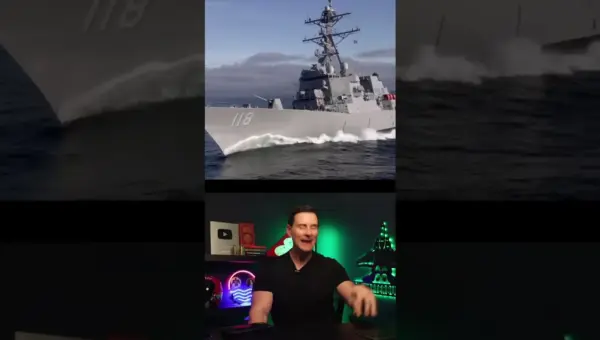
US Navy Blockades Strait of Hormuz Amid Talks Collapse
The U.S. Navy has imposed a blockade on the Strait of Hormuz following the collapse of U.S.-Iran ceasefire talks. The action aims to counter Iran's mining of the strait and its attempts to charge tolls on global shipping. This move significantly escalates regional tensions and targets Iran's primary revenue source.

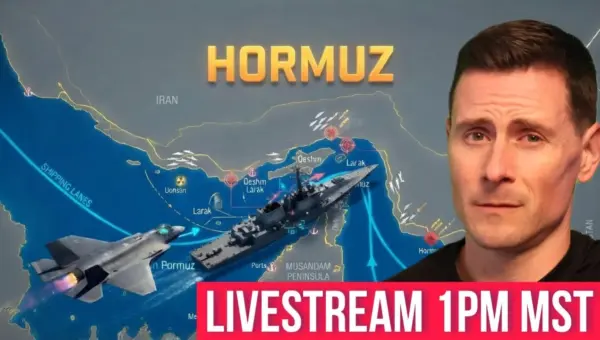
US Navy Blockade Hits Iran’s Oil Exports
The U.S. Navy has initiated a naval blockade of Iranian ports, targeting maritime traffic to cut off oil export revenue. This action follows failed peace talks and aims to exert economic pressure on Iran. The blockade highlights the strategic importance of the Strait of Hormuz and Iran's reliance on oil sales.