Voters Boo Republicans Over War, Trump’s Influence
Voters at a Republican town hall in New York loudly booed Congressman Mike Lawler, expressing anger over the ongoing war and its economic impact. This event highlights growing constituent frustration with Republican leadership and Donald Trump's influence, potentially signaling shifts in voter sentiment ahead of future elections.

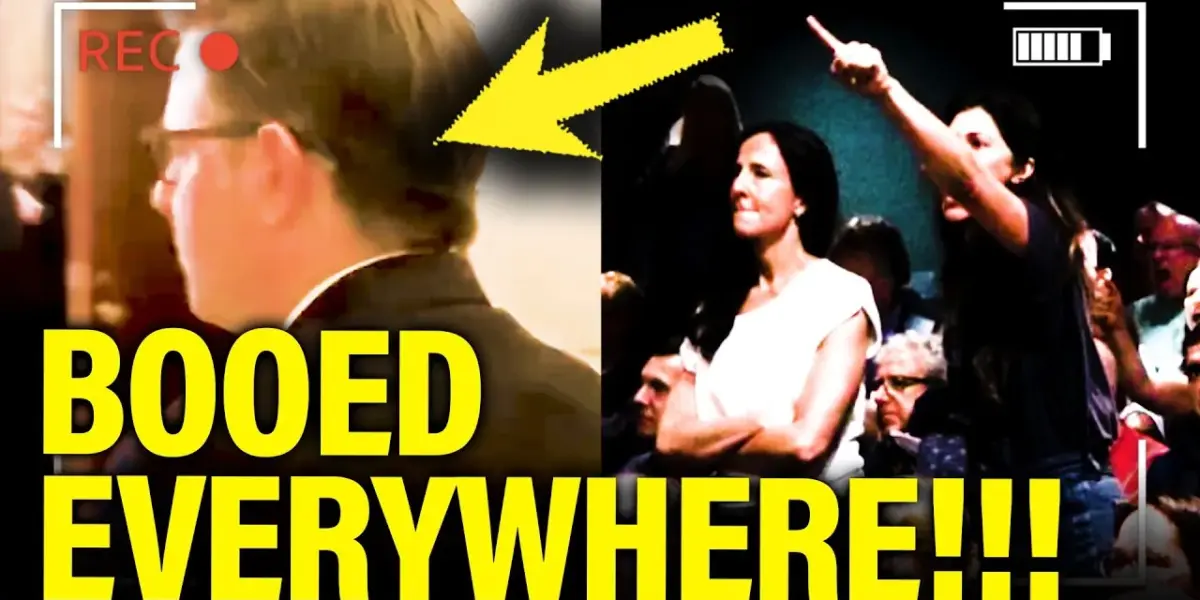
Voters Rebel at GOP Town Halls Amid War Concerns
The fallout from recent conflicts abroad is now hitting home, not just at the gas pump but also within the Republican party. At a town hall event in New York, Republican Congressman Mike Lawler faced a barrage of criticism from his constituents. The focus of their anger was the ongoing war and its perceived negative impact on American lives and the economy.
One voter directly told Lawler that the war was “endangering lives” and expressed fears about the potential return of a military draft. This sentiment highlights a growing unease among the public about the costs and consequences of foreign entanglements. The representative, in a district that Republicans recently flipped, found himself defending his support for both Donald Trump and the war itself.
Constituents Voice Frustration Directly
The town hall, held in a crucial swing district, did not go as planned for the Republican party. Voters, many of whom are the very people Republicans need to retain their support, voiced strong opposition. One attendee even directly addressed Lawler, stating, “Shame on you for your support of Donald Trump, his business partners, and Netanyahu who put America last.”
Lawler, who represents New York’s 17th district, a historically Democratic area that narrowly flipped Republican, tried to defend his position. He argued that the president’s decisions were “righteous” and not driven by political concerns. However, the crowd’s reaction, marked by boos and jeers, showed they were unconvinced and deeply frustrated.
Economic Woes Fuel War Discontent
The anger at the town hall wasn’t solely about foreign policy; it was deeply connected to domestic economic struggles. Voters are feeling the pinch of rising inflation and increased gas prices. They see these economic pressures as directly linked to the costly war, which has been estimated to cost upwards of a billion dollars per day.
This connection between foreign conflict and personal financial hardship is a powerful motivator for voters. When people are struggling to afford necessities, especially for their families, the perceived waste of resources on distant wars becomes a significant point of contention. This sentiment challenges the Republican party’s narrative of fiscal responsibility.
Historical Context: Shifting Political Tides
The frustration seen at Lawler’s town hall is part of a larger trend. Special elections and local races across the country have shown Democrats outperforming expectations, even in traditionally Republican areas. This suggests a significant shift in voter sentiment is underway, potentially impacting future elections.
Data from recent elections indicates a pattern of Democrats exceeding previous vote margins, sometimes by considerable percentages. This overperformance in special elections has historically been a strong indicator of a party’s potential success in larger midterm and general elections. For example, Democrats have recently seen significant gains in states like Wisconsin and Georgia.
Why This Matters
The events at the town hall and the broader electoral trends highlight a critical disconnect between some Republican leadership and their constituents. The vocal opposition to the war, coupled with economic anxieties, demonstrates that voters are looking for solutions that address their immediate concerns.
For Republican candidates like Mike Lawler, who must defend seats in competitive districts, this sentiment is a major challenge. Their ability to connect with voters on kitchen-table issues and articulate a clear, resonant foreign policy will be crucial for their electoral success. The party’s alignment with Donald Trump also remains a significant factor, as voters hold their representatives accountable for their endorsements and policy stances.
Future Outlook: A Test for the GOP
The Republican party faces a difficult balancing act. They must navigate the influence of Donald Trump while also addressing the concerns of a diverse electorate. The willingness of voters to openly challenge their representatives, as seen at the town hall, signals a demand for greater accountability and responsiveness.
The coming election cycles will be a significant test for the GOP. If they can effectively address voter concerns about the economy and foreign policy, they may be able to regain trust. However, failure to do so could lead to further electoral setbacks, as suggested by the performance in recent special elections.
The next major electoral test will be the upcoming general elections, where the impact of these voter sentiments will be fully revealed.
Source: WHOA! Trump gets BOOED LOUDLY at GOP TOWN HALLS (YouTube)

Related Articles
President’s Iran Stance Sparks Global Debate with Pope
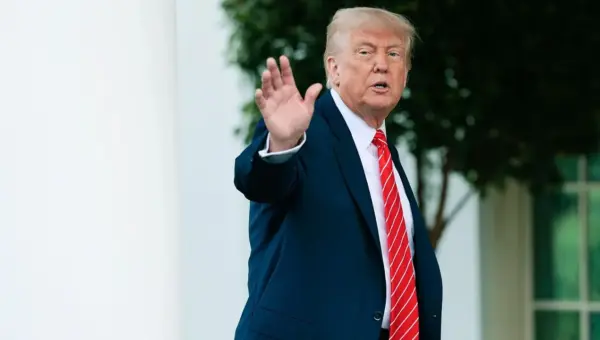
The President detailed his strong opposition to Iran obtaining nuclear weapons, citing a powerful blockade and ongoing negotiations as key strategies. He also expressed optimism about a potential peace deal between Lebanon and Israel, highlighting diplomatic efforts in the Middle East.
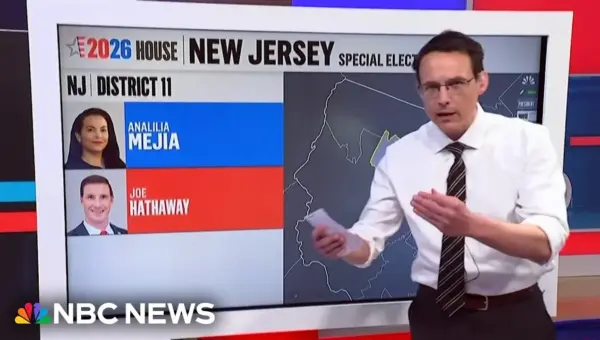
NJ Special Election Tests Shifting Democratic Views on Israel
A special election in New Jersey's 11th Congressional District is drawing national attention as it could signal a significant shift in the Democratic Party's views on Israel. The race features a progressive candidate, Ana Lilya Mejia, who has been critical of Israel's policies. This election is being closely watched to see if Democratic voters will support a candidate with Mejia's outspoken stance, with results expected late Tuesday night.
Trump Faces Steep Losses: Analyst Calls It ‘Worst Losing Streak’
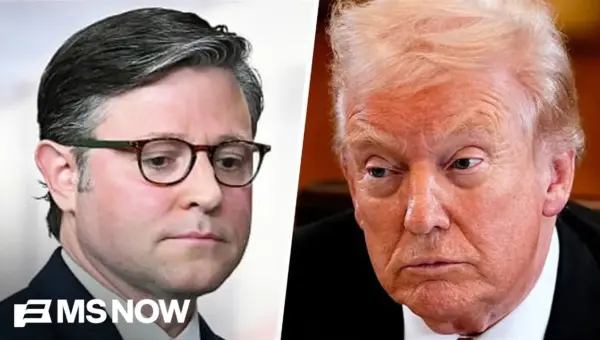
Political analysts are questioning Republican optimism for upcoming elections, citing historical trends and current economic challenges. High gas prices and voter dissatisfaction with Donald Trump's economic leadership are creating significant hurdles for the party. Cracks are appearing in Trump's core coalition, with potential losses among key demographic groups and internal dissent over controversial stances.