Vance Blasted for Challenging Pope on War Theology
Senator JD Vance's recent warning to Pope Francis about discussing theology has sparked a significant backlash from the Vatican and Catholic officials. The Pope responded by quoting scripture against manipulating religion for political gain, a message widely seen as directed at Donald Trump's foreign policy. This clash highlights a deep theological debate rooted in centuries of Catholic teaching on 'just war' and raises questions about the intersection of faith and politics.

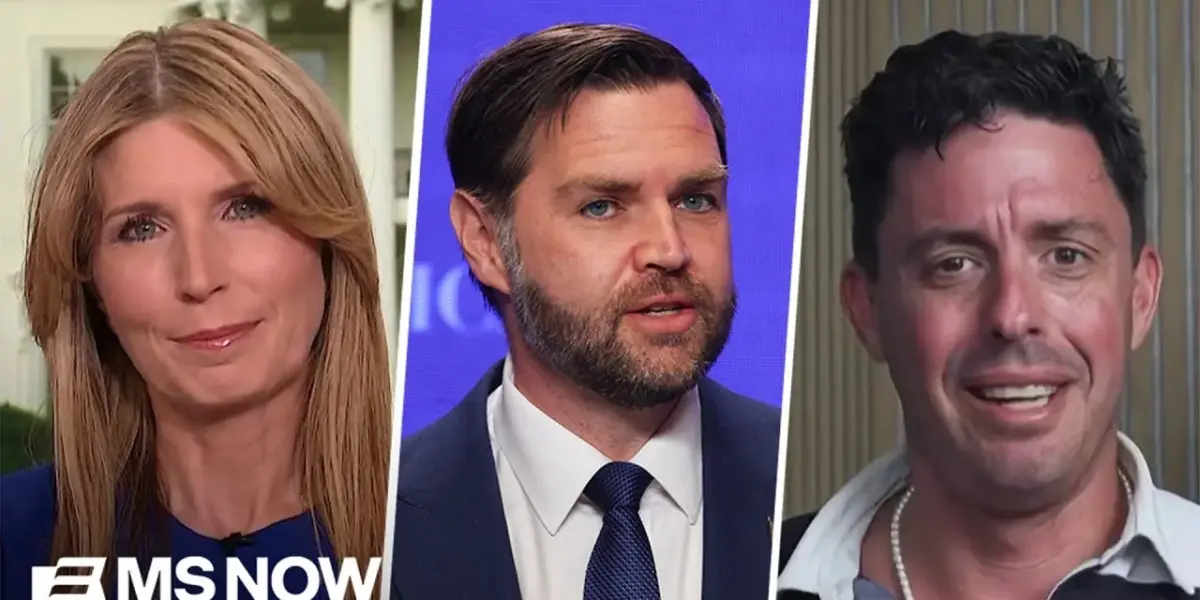
Pope Francis Rebukes JD Vance Over Just War Teachings
In a surprising turn of events, Senator JD Vance has found himself at odds with Pope Francis over the Church’s long-standing teachings on the ‘just war’ theory. Vance, who recently converted to Catholicism, publicly advised the Pope to be cautious when discussing theological matters. This warning, however, was met with a strong and rare rebuke from the Vatican and the U.S. Catholic Bishops’ Doctrine Committee.
The Pope, in turn, quoted scripture, warning against those who “manipulate religion in the very name of God for their own military, economic or political gain.” These remarks, delivered in Cameroon, were widely interpreted as a direct critique of Donald Trump’s foreign policy and authoritarian tendencies. The Pope’s official X account later shared these same comments online, further emphasizing the message.
Trump Campaign Draws Parallels to Pharisees
Adding to the controversy, a supporter of Donald Trump drew a parallel between the press and the Pharisees of biblical times. This individual claimed that the media’s focus on criticism blinds them to the supposed “brilliance” and “historic success” of American warriors and leadership. The comparison suggested that the press, like the Pharisees, scrutinizes every action to find fault, failing to acknowledge any good deeds.
The campaign then quoted the Pope’s warning about manipulating religion for personal gain. This move highlights the Trump campaign’s strategy of using religious rhetoric while simultaneously criticizing religious leaders who do not align with their political goals. The conflict highlights the tension between political power and religious authority.
Why Pick a Fight with the Pope?
The timing of this clash is particularly noteworthy. Donald Trump is currently facing low approval ratings, hovering in the mid-30s.
He is also being politically challenged by unfulfilled promises and shifts in policy, particularly concerning the cost of living. Despite these challenges, the campaign has chosen to engage in a public dispute with the Pope, a figure widely respected across political lines.
Pope Francis enjoys favorability ratings above 80% among Catholics, regardless of their political affiliation. He was also recently ranked as a top global leader. Engaging in a public disagreement with such a popular and influential figure appears to be a risky political move for the Trump campaign.
Theological Debate with Centuries of History
Experts suggest this conflict is more than just a political spat; it’s a deeply theological debate rooted in centuries of Catholic moral teaching. Bishop James Massa, Chairman of the U.S. Catholic Bishops’ Doctrine Committee, issued a rare clarification. He stated that the Pope’s comments on war were carefully referencing the Church’s thousand-year tradition of “just war” theory.
This theory dictates that a war must be a defense against an aggressor to be considered just. Bishop Massa emphasized that when the Pope speaks as the supreme pastor, he is not merely offering opinions but preaching the Gospel. This intervention directly counters Vance’s suggestion that the Pope should stick to theology and avoid political commentary.
Theological Underpinnings of “Just War”
The concept of “just war” is a complex doctrine within Catholic theology. It provides ethical guidelines for when resorting to armed conflict might be permissible.
Key principles include having a just cause, being declared by a legitimate authority, and having a reasonable chance of success. The goal is always to achieve peace.
The Church teaches that war should be a last resort. Even when deemed necessary, the use of force must be proportional and discriminate, meaning it should not intentionally harm civilians. Pope Francis’s recent remarks emphasized the negative consequences of using religion to justify military actions, aligning with this historical doctrine.
Pope Francis’s American Influence
The election of Pope Francis, the first American Pope, has sparked discussion about his potential influence on U.S. politics and society. Some analyses suggest that Trump and his allies may see the first American Pope as a potential threat. This fear might stem from historical parallels, such as the first Polish Pope contributing to the liberation of Poland from authoritarian rule.
The argument is that the Trump administration worries an American Pope could inspire similar movements for change or accountability within the United States. This perspective suggests that the fear is not just about religious doctrine but about the Pope’s ability to influence public opinion and civic engagement in his home country.
Conservatives Divided on Pope Francis
While Donald Trump and JD Vance have clashed with Pope Francis, many conservative Catholics and even some evangelicals have expressed admiration for him. This admiration often stems from his emphasis on traditional Catholic rituals and practices. Moving back into the Apostolic Palace and personally carrying the cross during Good Friday processions are examples of actions that have endeared him to traditionalists.
This presents a complex situation for the Trump campaign. Many of his core supporters, who also hold traditional religious views, may find themselves in conflict with the campaign’s stance. This internal division could pose a challenge to Trump’s broader coalition of support.
Public Reaction and Media Commentary
The dispute has also become a subject of public commentary and late-night comedy. Host Stephen Colbert, a practicing Catholic, humorously addressed JD Vance’s recent conversion and his critique of the Pope. Colbert suggested Vance was overstepping his bounds, comparing him to Judas for leaving the Last Supper early, implying Vance was abandoning core Catholic principles.
This commentary highlights how the conflict is being perceived by the wider public. It suggests that Vance’s position is seen as politically motivated and lacking genuine theological grounding, especially given his relatively recent conversion to Catholicism.
JD Vance’s Political Future and Conversion
JD Vance’s decision to publicly challenge the Pope comes as he is reportedly working on a book about his conversion to Catholicism. This context raises questions about his motivations and the narrative he is trying to build. Critics suggest that his actions may be an attempt to align himself more closely with Donald Trump by adopting a confrontational stance against a popular religious figure.
The situation presents a stark contrast between genuine faith and political opportunism. The article implies that Vance’s argument—that his recent conversion makes him more knowledgeable about theology than the Pope—is not credible. It questions who will believe this narrative, suggesting that his political ambitions may be overshadowing his newfound faith.
Looking Ahead
The ongoing conflict between JD Vance, Donald Trump, and Pope Francis highlights a significant tension between political power and religious authority. As the 2024 election approaches, the role of faith and religious leaders in political discourse will likely remain a key battleground. The public’s perception of how these figures navigate theological and political issues could significantly influence voter sentiment.
Source: ‘He thinks he's smarter than the POPE?: Nicolle and Tim Miller ROAST JD Vance over Vatican beef (YouTube)

Related Articles
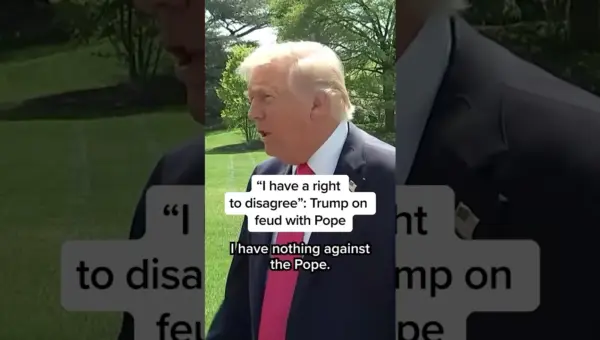
Trump Defends Right to Disagree with Pope Francis
Former President Donald Trump stated he has the right to disagree with Pope Francis, particularly on issues of war and nuclear weapons. Trump alleged the Pope believes in a nation possessing nuclear arms, a claim contradicted by the Pope's consistent advocacy for disarmament. This exchange highlights the intersection of faith and politics on the global stage.
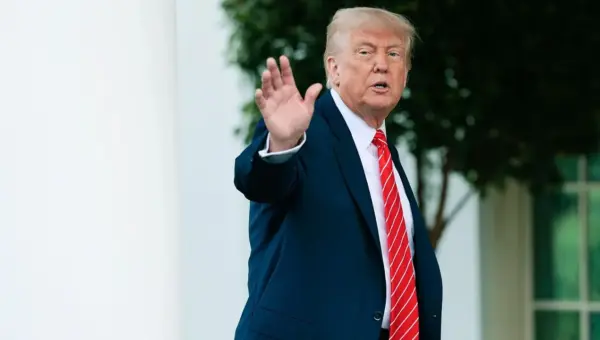
President’s Iran Stance Sparks Global Debate with Pope
The President detailed his strong opposition to Iran obtaining nuclear weapons, citing a powerful blockade and ongoing negotiations as key strategies. He also expressed optimism about a potential peace deal between Lebanon and Israel, highlighting diplomatic efforts in the Middle East.
Ex-NATO Chief Takes Trump’s Alliance Criticism Seriously
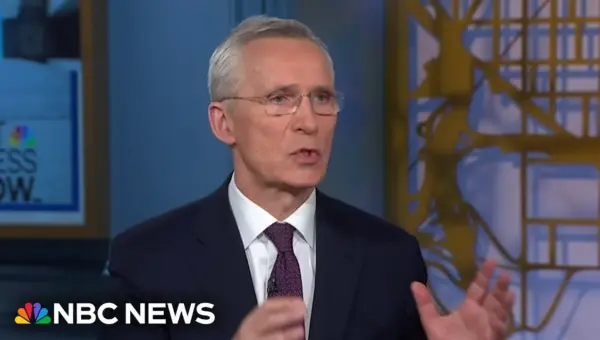
Former NATO Secretary General Jens Stoltenberg stated he takes Donald Trump's criticisms of the military alliance seriously, emphasizing NATO's role as a defensive alliance. The discussion also covered a recent Israel-Lebanon ceasefire, economic concerns like rising gas prices, and the ongoing conflict in Ukraine.