Intel Chief Exposes Plot to Impeach Trump
New documents suggest the 2019 impeachment of President Trump was based on secondhand information from a whistleblower who never heard the call. The Director of National Intelligence has released findings questioning the integrity of the process and made criminal referrals.

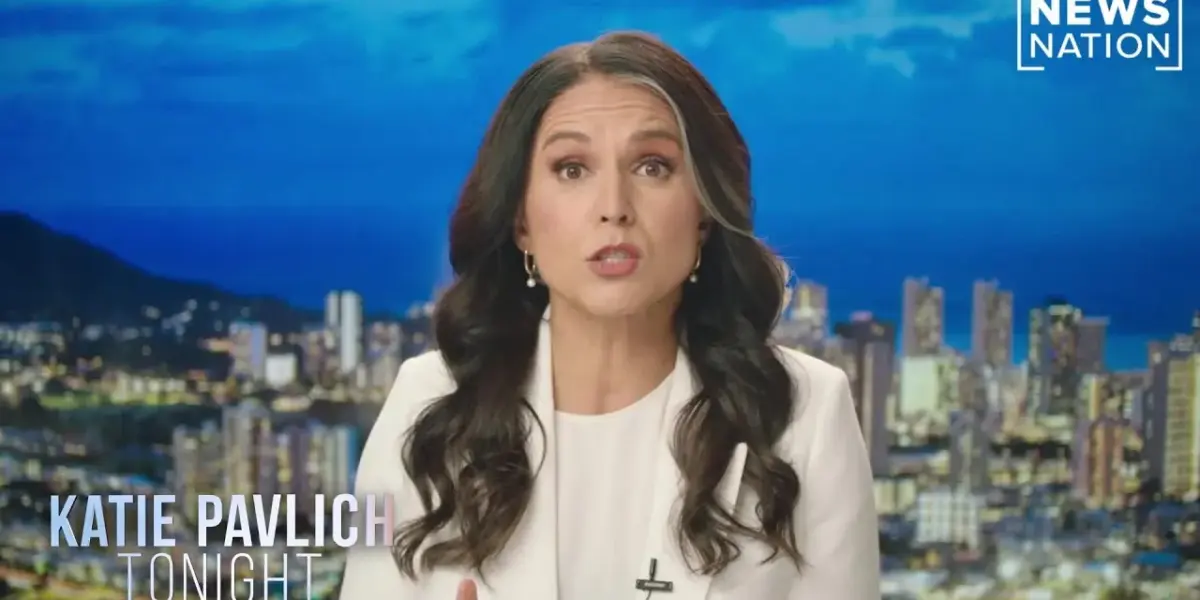
Intel Chief Exposes Plot to Impeach Trump
New documents reveal that the first impeachment of President Donald Trump in 2019 may have been built on shaky ground. The Director of National Intelligence has released information suggesting the “whistleblower” who started the process never heard the phone call in question. This raises serious questions about how the impeachment proceedings were handled.
In 2019, President Trump spoke with Ukrainian President Volodymyr Zelensky. During this call, Trump mentioned Hunter Biden, concerned about corruption.
Democrats saw this as a chance to target Trump, leading to his impeachment for abuse of power and obstruction of Congress. However, recent findings suggest this process might have been flawed from the start.
Whistleblower Lacked Firsthand Knowledge
According to the Director of National Intelligence, the person who filed the initial complaint did not have direct knowledge of the call. They only heard about it from someone else. This secondhand information became the basis for the complaint that eventually led to impeachment.
The Intelligence Community’s Inspector General also did not conduct a thorough investigation. Reports indicate he only spoke to a few people, some of whom were known to be involved with Trump. The Inspector General’s office also overstepped its bounds, and the Department of Justice dismissed his referrals as unwarranted.
Despite these issues, House Democrats, including Nancy Pelosi and Adam Schiff, moved forward with the impeachment. Now, the Director of National Intelligence has made her own criminal referrals based on these new findings. She believes the intelligence community was weaponized for political purposes.
The Inspector General’s Role Questioned
The Inspector General’s actions are under scrutiny. He reportedly did not ask to see the transcript of the call between Trump and Zelensky. He also admitted to Congress that he had no direct evidence to rely on for his referral to the Department of Justice.
The Department of Justice, upon reviewing the complaint, found no grounds for action. However, the Inspector General proceeded to present the matter to Congress anyway. This suggests a deliberate effort to pursue impeachment despite a lack of concrete evidence.
The standard for complaints also appeared to change. Initially, firsthand information was required.
But before the impeachment process began, the standard shifted to allow secondhand, even unreliable, information. The Inspector General claimed the law required this change, but this is reportedly untrue.
Politicians and Intelligence Agencies: A Dangerous Mix
Working with the intelligence community behind closed doors for impeachment probes is inappropriate. The whistleblower went directly to House Intelligence Committee member Adam Schiff instead of the Inspector General. This points to the politicization of intelligence and the intelligence community itself.
Adam Schiff repeatedly denied having prior contact with the whistleblower. However, the released documents suggest otherwise. This alleged deception occurred as the standards were changed to allow for a political impeachment process just before an election.
Criminal Referrals and Accountability
The Director of National Intelligence has sent criminal referrals to the Department of Justice. She believes this is crucial for accountability. Exposing the truth about these tactics is the first step in ensuring change.
She is leaving it to the lawyers at the Department of Justice to review the information and determine the legal actions. The goal is to investigate these findings thoroughly. This ensures that such politically motivated actions within intelligence agencies are not repeated.
Combating the “Deep State”
President Trump has tasked the Director of National Intelligence with rooting out political influence and weaponization within the intelligence community. Critics argue that this report is a distraction and that there is no political issue within the intelligence agencies. They suggest it’s an election-year tactic to target Democrats.
However, those who respond with such arguments often fail to address the real issues. The existence of a “deep state” within the intelligence community has been a concern for a long time. New examples of these tactics continue to be discovered.
By shining a light on these actions, the public can recognize them if they are attempted again. Standing guard protects the republic. Attacking our constitutional republic by politicizing and weaponizing the intelligence community against voters and elected officials is a serious threat.
Why This Matters
The release of these documents is important because it brings transparency to a critical moment in American political history. If the impeachment process was indeed influenced by partisan politics and flawed intelligence gathering, it undermines public trust in both the justice system and democratic institutions.
The findings suggest that individuals within the intelligence community may have collaborated with politicians to achieve political goals. This raises concerns about the integrity of investigations and the potential for abuse of power. It highlights the need for strict oversight and clear ethical guidelines for intelligence officials and politicians alike.
Implications and Future Outlook
This situation could lead to further investigations into the conduct of those involved in the 2019 impeachment. It might also prompt reforms in how whistleblower complaints are handled and how intelligence is used in political processes. Ensuring that intelligence agencies remain impartial is vital for a healthy democracy.
The future may see increased scrutiny of the interactions between intelligence agencies and political bodies. There will likely be calls for greater accountability and clearer protocols to prevent the weaponization of information. The public’s awareness of these issues is growing, demanding more responsible governance.
Historical Context
Impeachments are rare and serious events in U.S. history. They are designed as a check on the power of the executive branch. However, the process requires careful adherence to rules and a basis in factual evidence to maintain its legitimacy.
Past impeachments have often been highly partisan, but the integrity of the process itself is crucial. This case brings attention to how allegations, even without direct evidence, can trigger significant political consequences. It forces a re-examination of the standards and procedures used in such high-stakes situations.
The Director of National Intelligence’s actions aim to uphold the principles of truth and accountability. By bringing these details to light, she seeks to protect the democratic process from being undermined by political maneuvering within sensitive government agencies.
Source: Gabbard asks DOJ to probe complaint that led to Trump impeachment | Katie Pavlich Tonight (YouTube)

Related Articles

States Triumph Over Ticketmaster, DOJ Falls Short
States have secured a major victory against Ticketmaster and Live Nation, with a jury finding the companies liable for anti-competitive practices. This win highlights the power of state-led antitrust enforcement, especially as the U.S. Department of Justice settled on weaker terms. The upcoming remedy phase could lead to significant changes, including potential breakups or financial penalties, aiming to restore fairness and affordability for consumers.

DOJ Actions Raise Alarms Over Election Integrity and Political Prosecutions
Recent actions by the Justice Department, including a criminal referral related to the Trump impeachment whistleblower and efforts to overturn January 6th convictions, are raising alarms about election integrity. Legal experts warn these moves could be politically motivated and set a precedent for future interference.

DOJ Accused of Targeting Pro-Life Advocates: A Justice System Divided?
A new report alleges the Biden DOJ used federal law to target pro-life Americans, creating a two-tiered justice system. Statistics suggest a disproportionate number of pro-life individuals were prosecuted with longer sentences. This has raised serious concerns about fairness and the erosion of public trust in government institutions.